 Shiba Inu
11 Shiba Inu training topics
Every common Shiba Inu challenge, with first steps and guides to read.
Hates being handled
Trust for paws, ears and the vet.
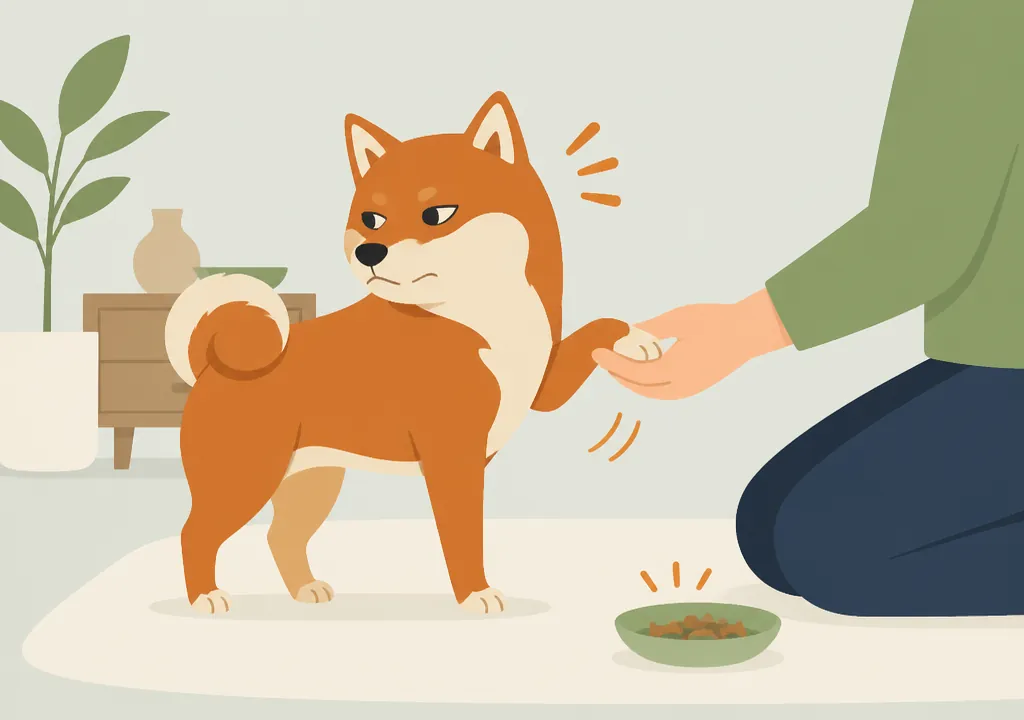
A Shiba Inu may lean into a shoulder rub, then pull the instant a hand slides toward a paw. That contrast matters. It says handling is not one skill that the dog either accepts or refuses, and a pleasant touch on the chest does not grant permission to hold toes, lift lips, or steady the head.
Think of Shiba Inu nails and veterinary handling as a dossier with separate files. Each body zone, tool, and position has its own history. This guide helps you identify the file that needs work, choose a small rehearsal for it, and give a veterinarian or groomer useful information instead of promising that your dog is simply “fine” or “difficult.”
Read the full guide: Shiba Inu Nails and Vet Visits: Building Trust With Touch
Off leash escapes
Why Shibas bolt, and how to keep them safe.
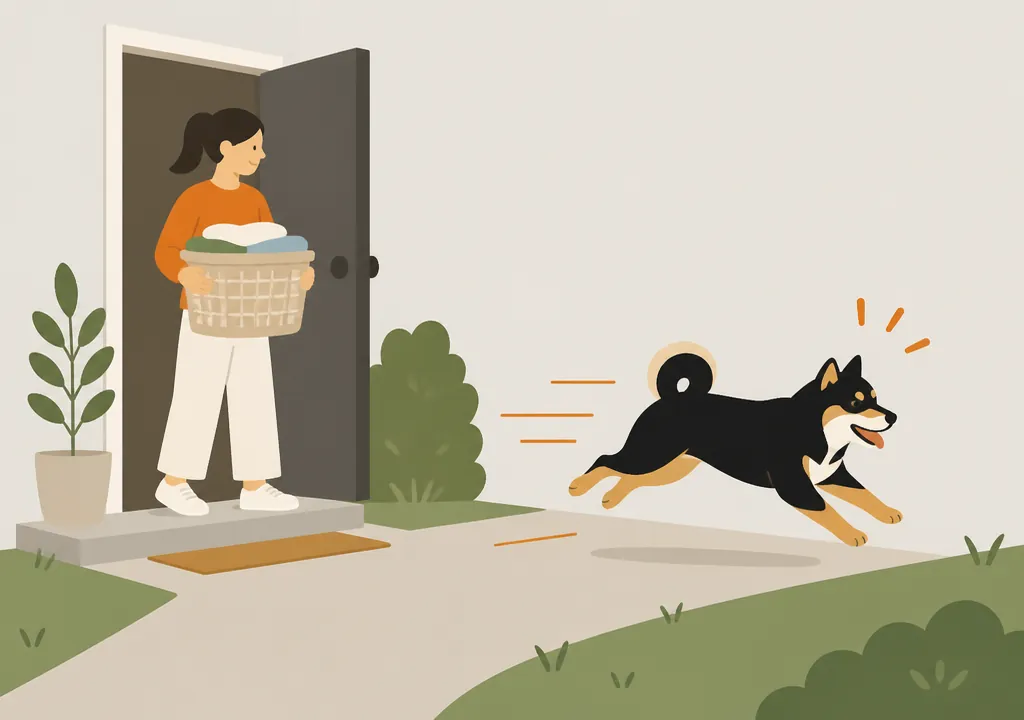
The breed standard says a Shiba Inu can never be considered reliable off leash outside a confined area. Owners see a dog who comes in the yard and ignores them when a gate opens.
The full guide treats recall as a safety skill and sets up the home for a bad moment.
Aloof with visitors
Let a proud dog meet people its own way.
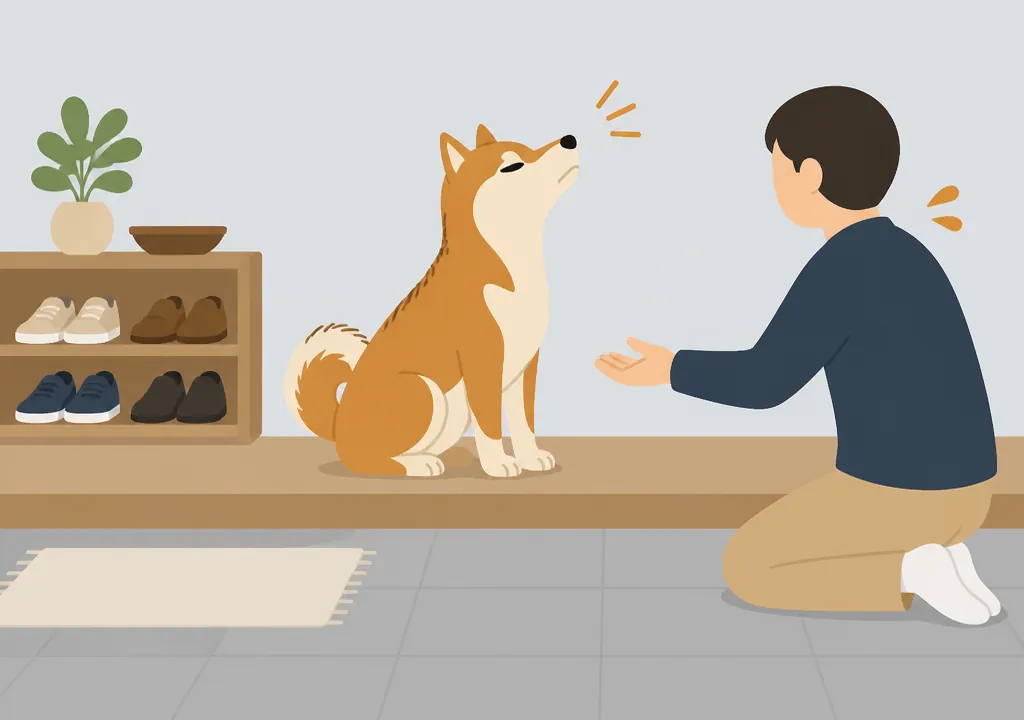
An aloof Shiba meeting a visitor is often the dog who seemed disinterested in the first lesson, where this guide starts. Teaching five cues on day one crowds the lesson before either learner knows what pays.
The full guide tours first lessons through five rooms, not visitors, from attention to outdoor practice.
Guarding food
Trust around the bowl.
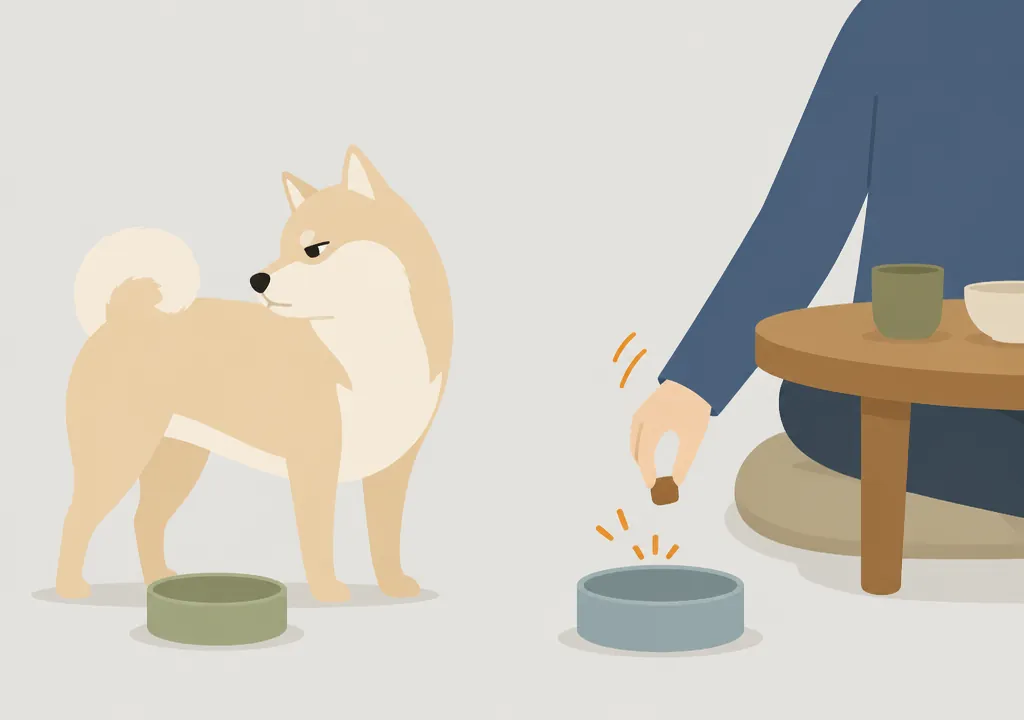
Food guarding needs a risk classification before anyone changes the Shiba Inu's bowl routine. A dog who speeds up as someone passes is giving different information from a dog who freezes, growls, lunges, or has bitten. Children, other pets, narrow spaces, and high-value chews can raise the stakes immediately and must change the household response.
Use this article as a triage atlas. Start with the color that matches the most serious behavior you have seen, then consult the plate for the guarded item. The purpose is not to provoke a response so you can label it. It is to prevent another incident while deciding what help and practice are appropriate.
Read the full guide: Food Bowl Trust for a Shiba Inu Who Guards Their Dinner
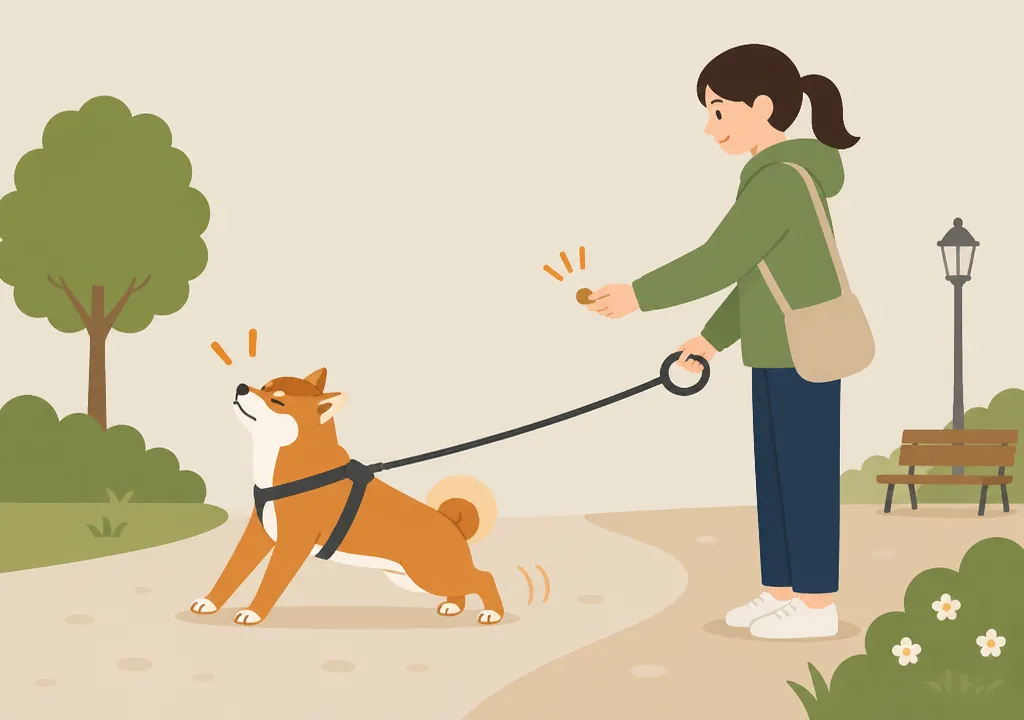
Planting its feet
When a Shiba refuses to walk.
Some Shiba Inus will shake paws for a sliver of chicken all afternoon, while others hear the same cue and wander off. Both are normal. A Shiba decides whether your offer is worth their time.
The full guide covers treat tiers, session length, what to teach first and the walk-away days.
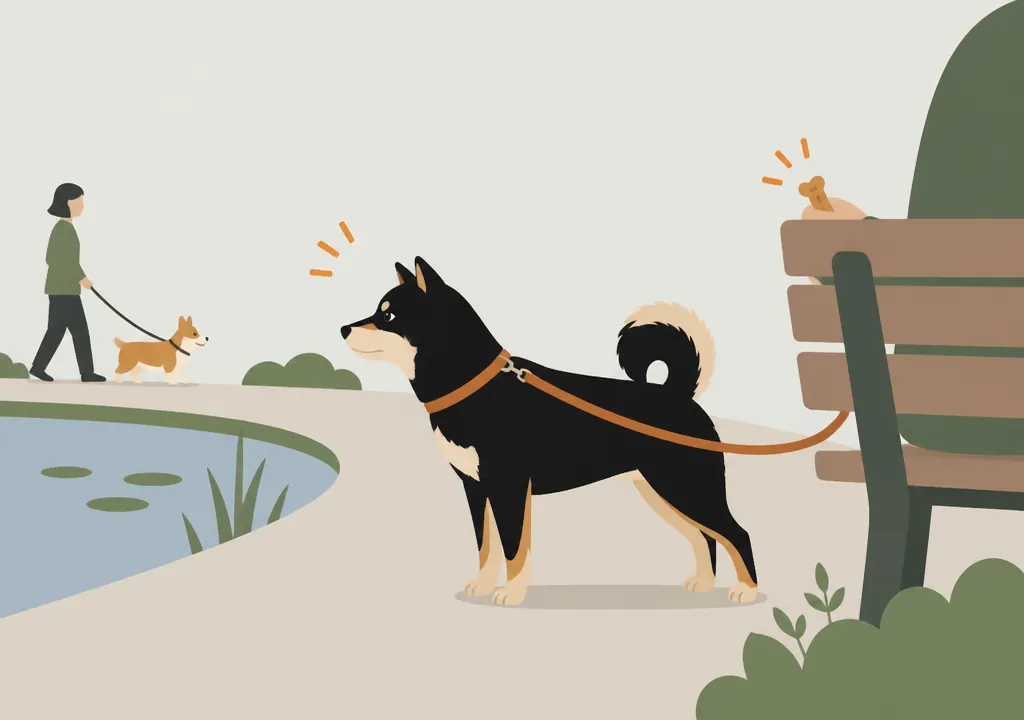
Reactive to other dogs
Calm distance on walks.
Easygoing Shiba puppies can change toward other dogs in adulthood, deciding who may pass and how close. The breed standards say plainly that a Shiba can be aggressive toward other dogs and must stay under control.
The full guide covers calm distance on walks, hallways, busy homes and a second dog.
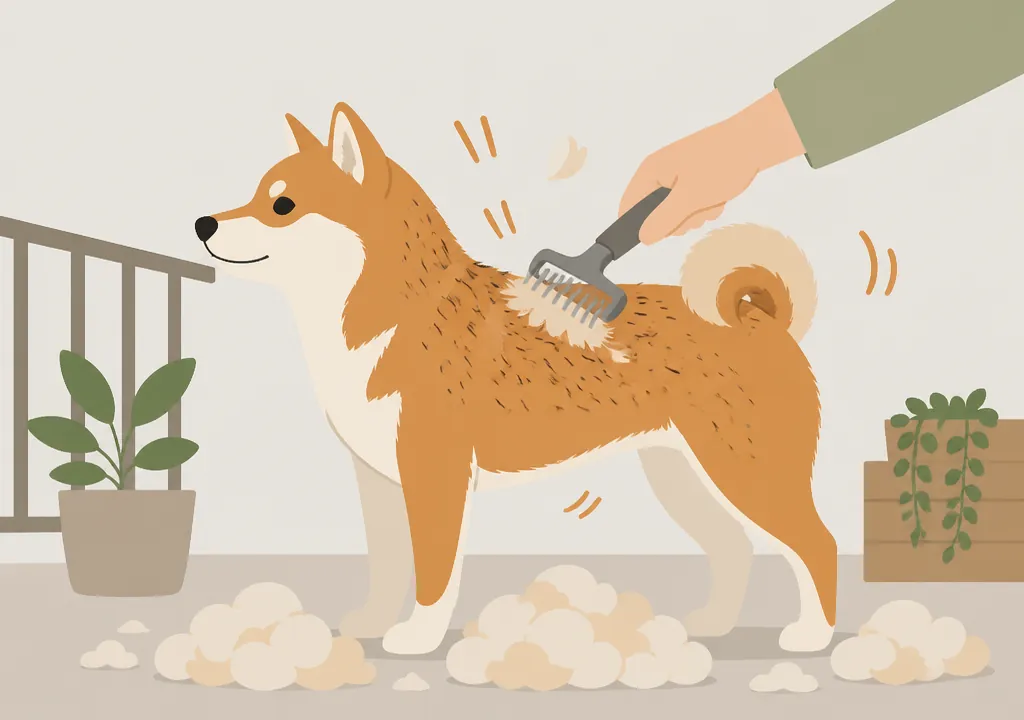
Blowing coat
Calm brushing through heavy shedding.
Shiba Inu shedding is normal throughout the year and often becomes much heavier when the undercoat releases. A coat blow can make the home look as if another dog has appeared on the floor, but the forecast is not solved by one marathon brushing session.
Think of grooming as weather planning. An ordinary week, a heavy-shed week, a bath day, and a skin-warning day each need a different response. The forecast helps you choose the job that matters now without turning every brush appearance into a long handling test.
Read the full guide: Shiba Inu Shedding: Teaching Your Dog to Enjoy the Brush
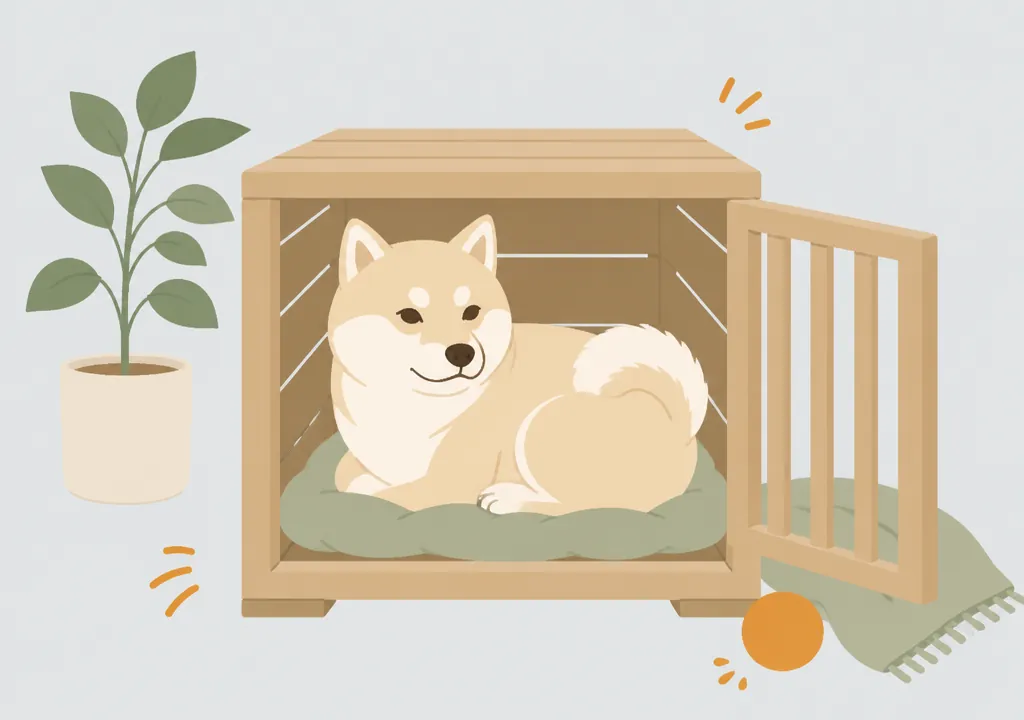
Crate and calm time
A den that feels safe.
Calm at home gets harder when your Shiba freezes in a doorway, eyes locked on the cat. That is the prey drive of a small, alert mountain dog, and every chase teaches them that chasing works.
The full guide covers the cat, not the crate, teaching coexistence until the cat is furniture.
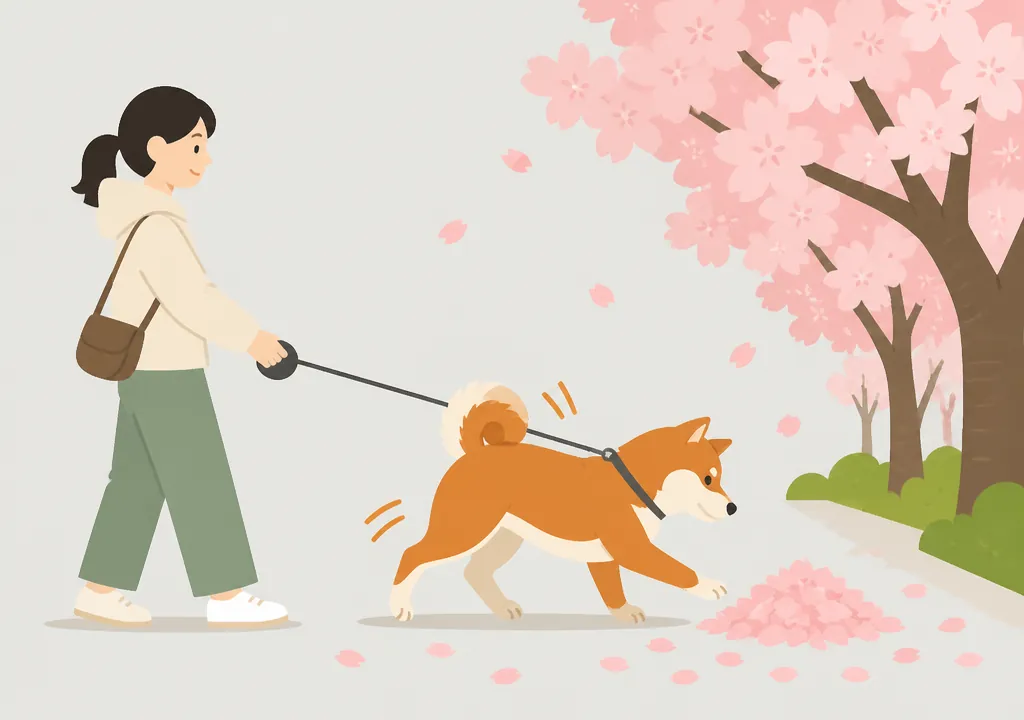
Pulling on the leash
Loose leash walks for a strong little dog.
Halfway down the sidewalk the leash goes straight as your Shiba Inu leans toward a smell. If you keep moving, pulling works, and if you drag them back, the walk becomes a contest neither understands.
The full guide teaches a loose-leash walk that still allows sniffing, caught at the first tightening.
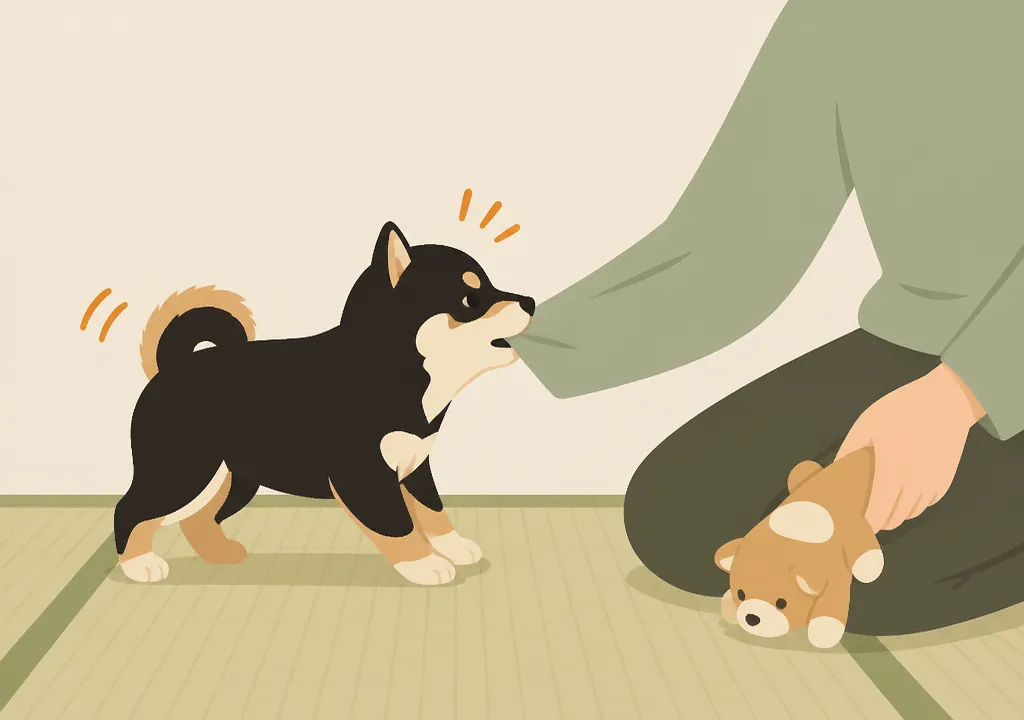
Puppy biting
Gentle mouths for a feisty pup.
Puppy teeth and puppy puddles both come down to what happened just before, and the puddle is this guide's subject. The useful questions are when they last went out and which signal you missed.
The full guide is potty training on a success log, from first trip through nights and setbacks.
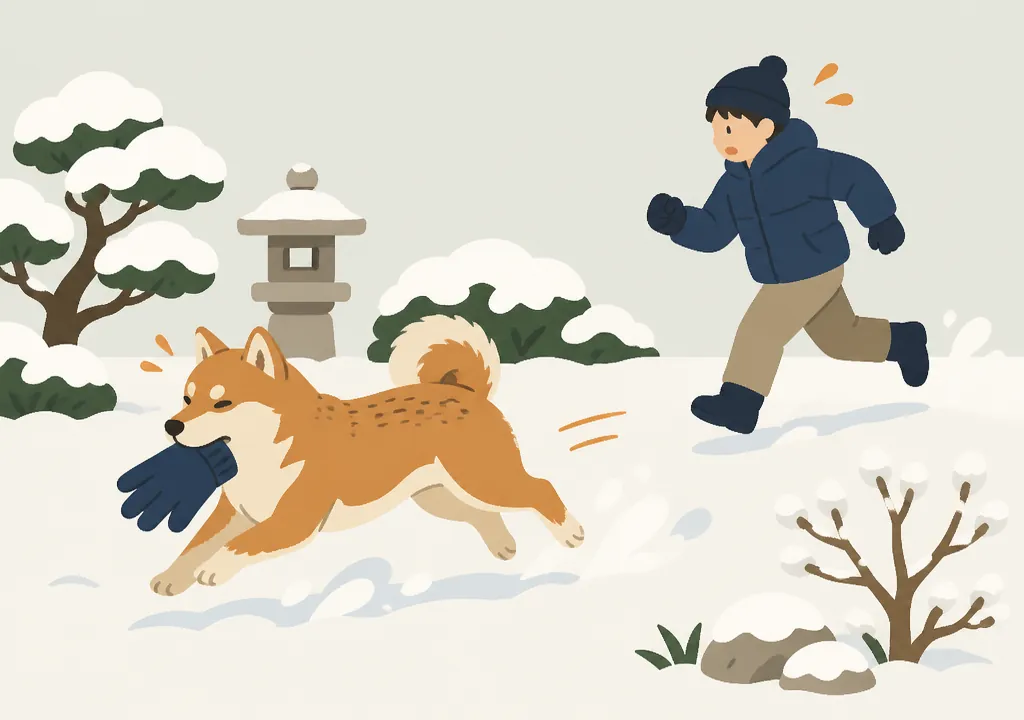
The teenage months
Patience while a Shiba tests every rule.
A four-month-old Shiba Inu is still a young puppy, not a defiant teenager in an adult body. Over the coming months, however, attention, confidence, fear responses, and interest in the environment can change. Skills that looked secure at home may become unreliable in a new place, and new physical or social pressures can alter familiar routines.
The household needs a policy review, not a punishment campaign. Decide which safety rules never change, which privileges depend on current behavior, and which expectations should become easier while the dog develops. This guide organizes the teenage months around those decisions, explains how weekly reviews work, and ends with one policy to adopt today.
Read the full guide: Shiba Inu Teenagers: Keeping Rewards Strong While They Test Rules