 Shiba Inu
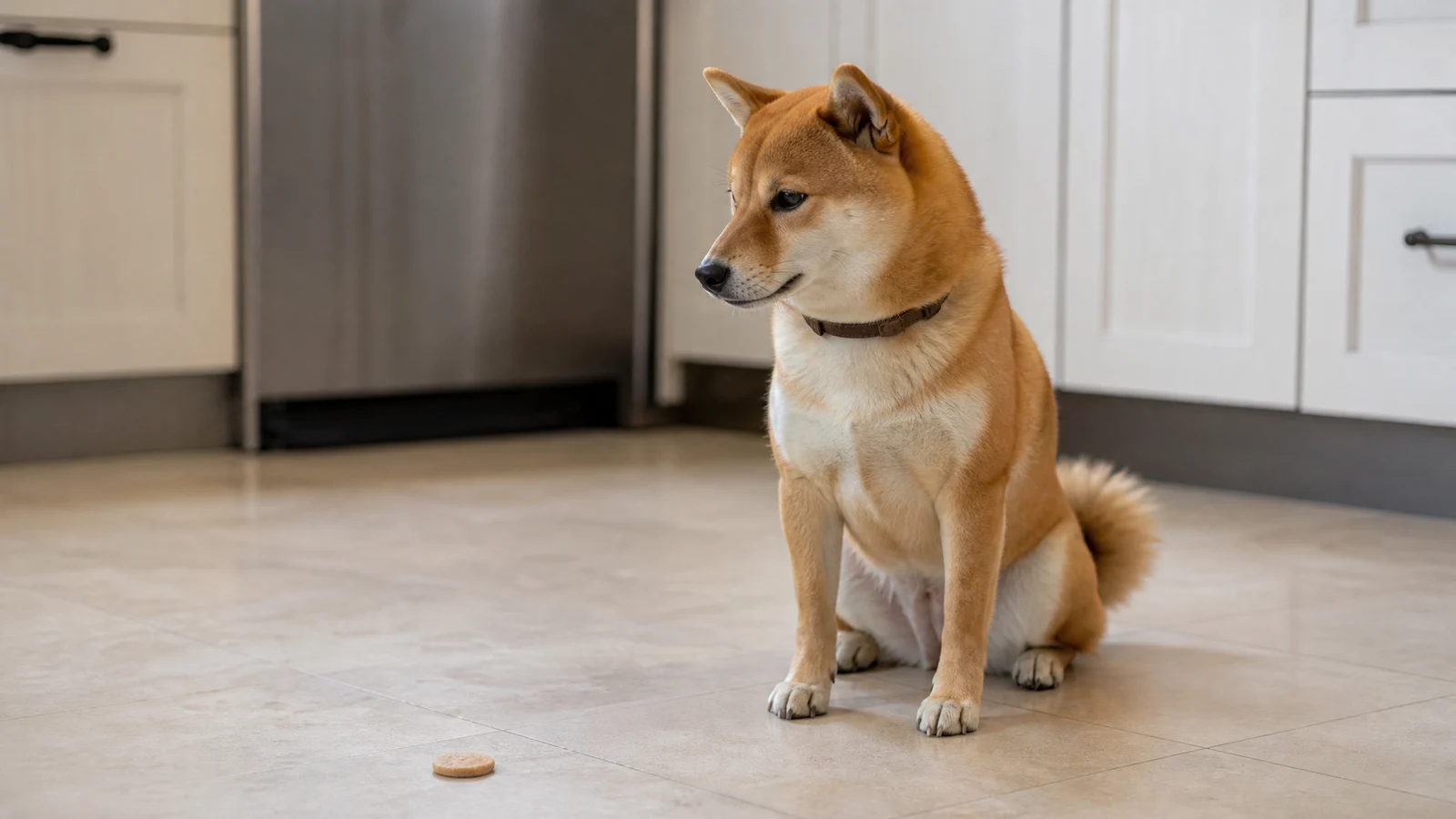
Some Shiba Inus will sit, spin and shake paws for a sliver of chicken all afternoon, while others hear the very same cue and wander off as if you had never spoken. Both dogs are perfectly normal. The difference is that a Shiba decides whether what you are offering is worth their time, and the answer changes with the treat, the room and the mood.
This matters more with this breed than with most. A dog who learns that cues are optional will carry that lesson to the sidewalk, the front door and the vet's office, while a dog who learns that listening pays becomes a steady, thoughtful companion. Read on for how to sort treats into tiers, how long to train, which behavior to teach first, and what to do on the days your Shiba walks away.
Accepting an Independent Shiba Inu Temperament
The AKC rates trainability at 2 of 5, closer to the self-willed end of its scale than the eager-to-please end. The breed standards also describe an independent nature, with some reserve toward strangers and real loyalty to people who earn their respect.
None of that means a Shiba cannot be trained. This is a very intelligent breed that needs consistent training, and most will work for treats. Put those together and the picture is clear: a clever dog who cooperates when the trade is fair. We have trained Shibas for many years, and the owners who do best stop calling a refusal stubbornness and start asking what the dog was offered.
Freedom is the biggest competitor you will face. Owners describe recall as depending on the moment, the reward and the dog's mood, and an open gate or an interesting scent can outbid almost any treat. Some owners do have reliably off-leash Shibas, usually after consistent training, strong motivation or an upbringing alongside other off-leash dogs, but they are a minority.
A Shiba is also never considered reliable off leash outside a confined area, whatever their obedience record, so secure fencing and leashed outings belong in your plan from the start. Training still earns its keep, because a dog who chooses to check in with you is far easier and safer to live with.
Your choice here: treat the independence as a trait to work with, and commit to paying for every behavior you want.
Which Treats Are Worth a Shiba Inu's Effort?
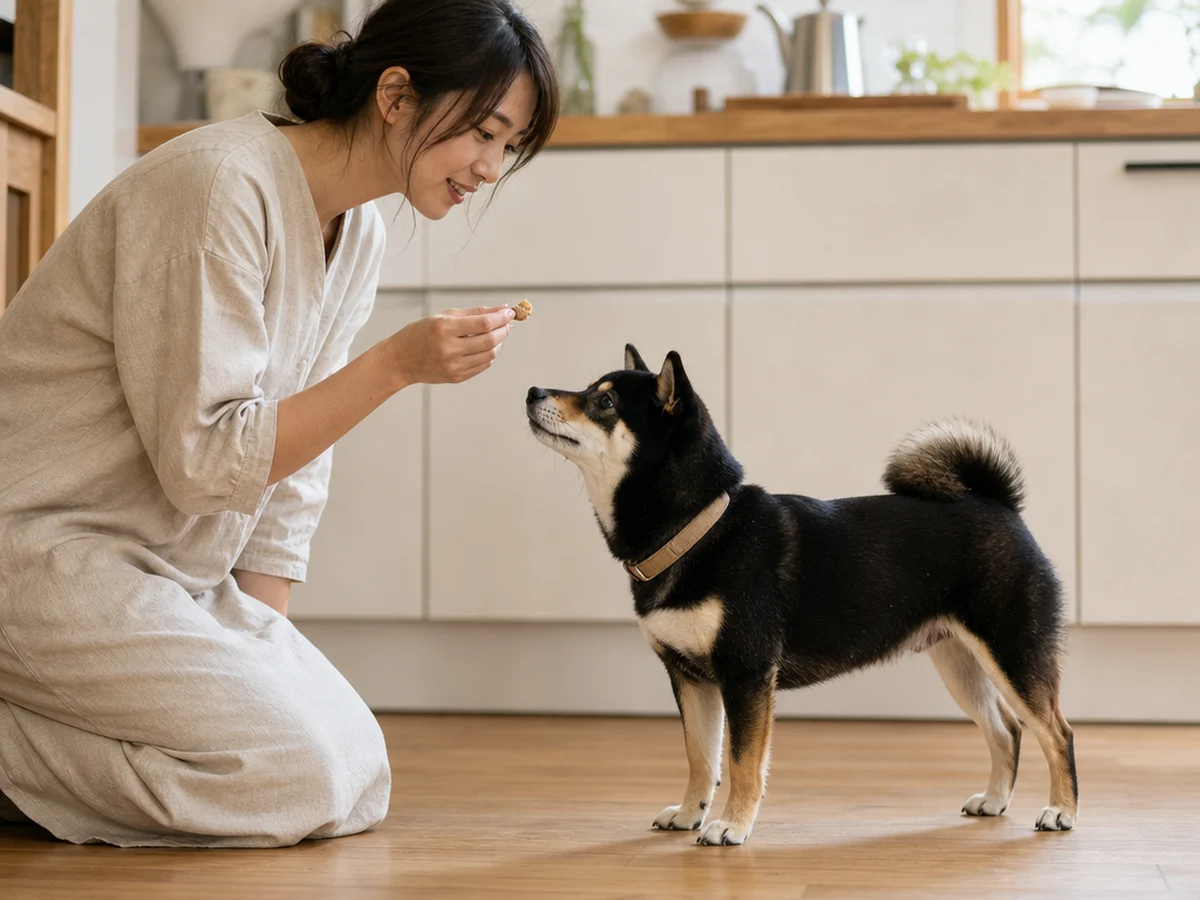
A Shiba's effort is a price you negotiate, and the currency is food they genuinely care about. Plain kibble or a dry biscuit buys easy behaviors in a quiet living room, but it won't compete with an exciting scent or an open front door. Sort what you have into tiers, with everyday treats for easy cues, a softer middle tier for new skills, and one top reward your dog cannot get any other way.
Building the Tiers
For the top tier, owners report great results with small pieces of cheese, sardines and tuna, and the smellier the better. Keep every piece tiny so the dog can swallow and look back at you right away. The rule that makes this tier work is simple: it appears only during training and recall practice, never in the bowl and never as a casual snack.
Using the Top Tier on Escape Days
Sooner or later many Shibas slip out of a door or gate. Chasing backfires because they treat it as a game and run farther or faster, sometimes toward traffic. Staying calm or moving away works better, paired with a strong lure. Owners report success with a shaken treat bag, an excited voice while rummaging for food, a car ride, or calling a family pet, though some tricks work only once.
That is why a special word or whistle paired only with your best food is worth building. Owners describe a whistle with cheese, or a high-value emergency word, as tools that helped. Keep the cue happy every single time, so the dog never learns that coming back means the fun is over.
Treats count toward your dog's daily food, and rich choices like cheese, tuna and sardines should stay tiny. This is general information, so check with your veterinarian about portions and what suits your Shiba, especially if they have a health condition or a sensitive stomach.
Your choice: pick one top-tier reward and reserve it for training and coming when called.
Short Sessions Over Long Drills for This Temperament
Shibas need plenty of mental stimulation, yet in our experience many tune out when work feels repetitive. Brief bursts solve this better than one long block. A short burst keeps the treat exciting and ends before the dog decides they have heard enough. Several tiny sessions scattered through the day teach more than one long evening drill, and they fit around real life.
Treat each session as a conversation you end on your own terms. Ask for a handful of repetitions, pay well, and stop while the dog is still interested, so they leave wanting the next round. If you wait until the Shiba walks away, you have taught them that quitting is how a lesson ends.
A reward ladder keeps the effort worthwhile. Use the top tier when you teach something new or train somewhere distracting, drop to the middle tier as the behavior firms up, and let everyday treats, praise or a quick game carry easy cues at home. If performance slips, climb the ladder again rather than repeating the cue.
Variety helps too. A simple scent game, such as baiting open boxes with aromatic treats, lets your Shiba sniff out the prizes and enjoy the find as its own reward. It uses those keen senses and makes a lovely short break between lessons.
Your choice: train in brief bursts several times a day, and be the one who ends them.
Rewarding Calm Sitting First to Shape Temperament
Of all the things you could teach first, calm sitting repays you most with a dog who makes their own decisions. A sit that is paid for patience, rather than a quick bottom-to-floor flash, teaches the Shiba that stillness near you is where good things happen. That lesson later shows up at doors, at the leash clip and around anything thrilling.
How to Reward the Sit
Wait for the sit rather than pushing on the dog's hips. Say your marker word the instant their bottom lands, then lower the treat to the floor right between their front paws, which encourages them to stay in place while they eat it. Then ask for a little more patience before the next marker, building from brief pauses to longer ones. Release them with a cue, so the end of the sit is rewarding too.
If the Shiba keeps jumping up or mouthing at your hand, stop the game for a moment, then reward the instant they settle. A short pause is a fair, mild consequence, and the dog quickly works out which behavior pays.
Using Sit Around Distractions
Once the sit is solid, ask for it when something interesting appears. Owners report that rewarding a stop, a stare and a wait for your cue reduces or controls chasing, and many dogs will also respond to a cue like leave it around animals. Results vary by animal, and some Shibas mostly just watch, which is a perfectly good outcome.
Start far from the distraction and move closer as the dog succeeds. Our guides on calm coexistence with your cat and on dog-directed aggression show how that distance work looks in each case.
Your choice: make a calm, patient sit the first behavior you teach, and pay for the patience, not just the position.
Should You Keep Going When Your Shiba Inu Walks Off?
Sometimes you will ask for a cue, the dog will glance at you, and then stroll away. The instinct to follow, repeat the cue louder or chase tends to backfire, because Shibas often treat pursuit as a game, and owners report that shouting or walking toward the dog failed for some. A better question is why they left, and the answer is usually something simple.
Most walk-offs mean the task was too long, too hard, too boring for the pay, or up against something better. Occasionally a sudden drop in willingness is about discomfort, so keep up regular vet visits and book a check-up if a dog who usually works for treats suddenly won't. Otherwise, choose one of these responses in the moment:
- Pause when the dog is simply distracted: stay still and relaxed, wait for them to look back, and reward that glance generously.
- Reset when the moment has gone flat: move to a quieter spot, ask for an easy cue the dog knows well, pay with a good treat, and then try again.
- Make the task easier when they keep leaving: shorten the behavior, move closer to the treat, or raise the reward, and end the session on a success.
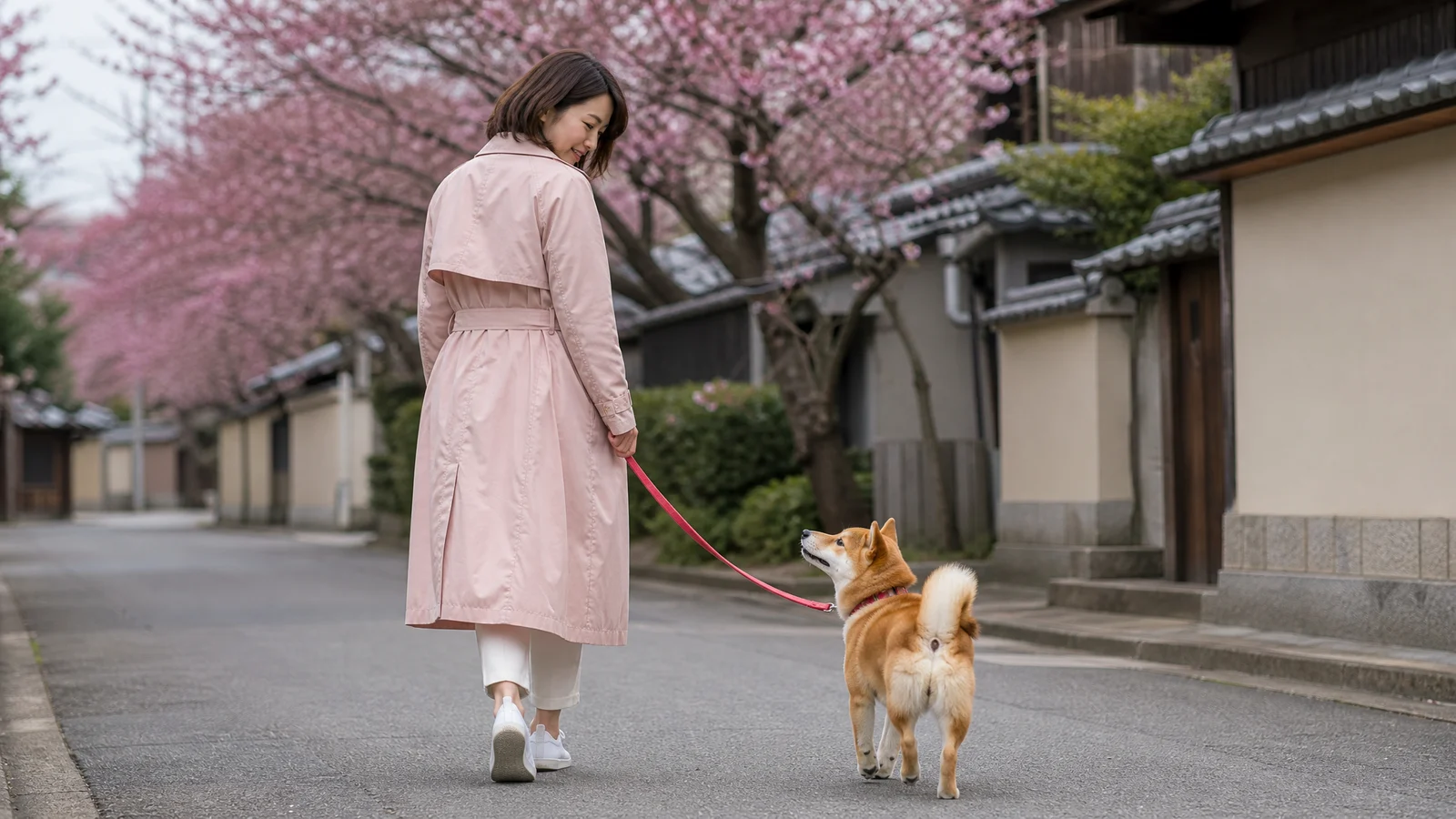
Handling can trigger the same walk-off. Some Shibas flee or bark at the harness, and some plop down or nip when physically guided along on a walk, even though many still adore the walk itself. Let them sniff the harness, treat, and fasten it for just a moment, and it turns from a threat into something they accept.
On the walk, let a treat in front of the nose do the guiding. If protest turns into noise, our piece on what to teach instead of screaming can help.
Your choice: don't chase or repeat louder. Pause, reset or simplify, and treat the walk-off as information.
Fading Treats While Keeping Temperament Training Consistent
Because a Shiba judges the deal every time, fading treats works best when it is gradual. Move from paying every success to paying most, then some, and let real-life rewards take over: the door opens, the leash clips on, the walk begins once the sit is calm. Keep treats in a pocket anyway, since a surprise payout keeps the dog guessing and the effort high.
Step back up whenever the setting gets harder. A new park or a busy sidewalk calls for tighter pay, and then you thin it again. Save top-tier jackpots for moments that matter most, like a real come-when-called, because recall in a breed with such a strong pull toward freedom should never fade to nothing. Many owners also vary their walking routes to keep things fresh.
Keeping the Household on the Same Page
Consistency matters as much as the treats. Agree on one word for each cue, one hand signal, and one rule about when the top treat appears, so nobody in the house leaves your Shiba guessing what each family member means. A Shiba who gets different answers from different people simply learns that the rules are negotiable.
Shibas can be good family dogs, especially with responsible children who are careful about doors and gates. Let kids hold the treat and give the cue with an adult nearby, and keep a gate-closing rule that never changes.
Your choice: thin the treats slowly, keep the best ones in play, and get everyone using the same words.
Today's One Step With Your Shiba Inu
Pick the best treat in the house, one your Shiba rarely gets, and cut it into tiny pieces. Choose a quiet spot, such as the hallway or a corner of the kitchen, and a time when the dog is a little hungry, like just before dinner. Sit down, wait for a calm sit, mark it, and drop the treat between their paws. Keep it to a few minutes, then stop.
An independent dog will keep choosing wherever the best deal is, and that is exactly what you are building.
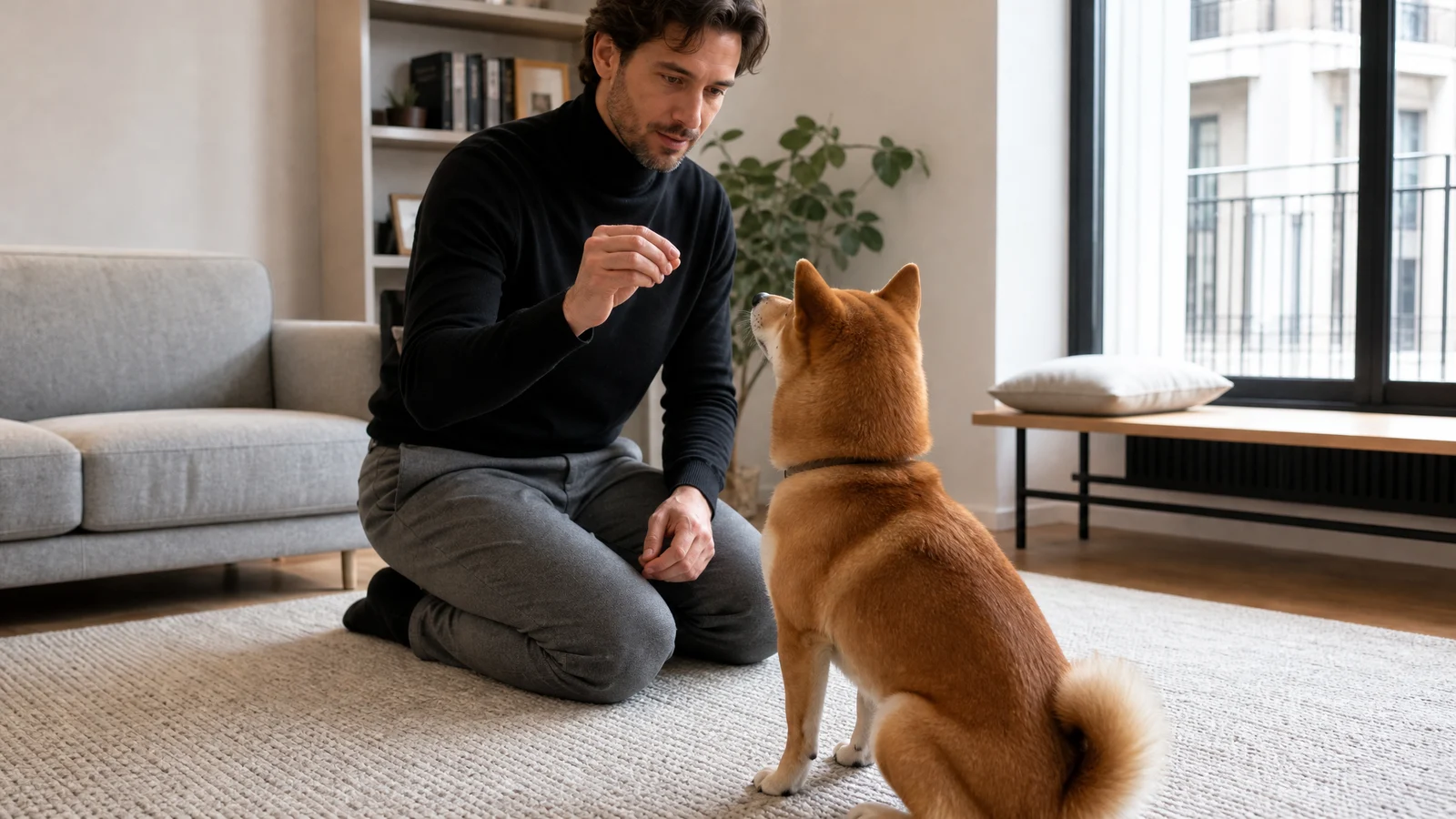 Training basicsShiba Inu Intelligence Ranking: Clever but Not Compliant
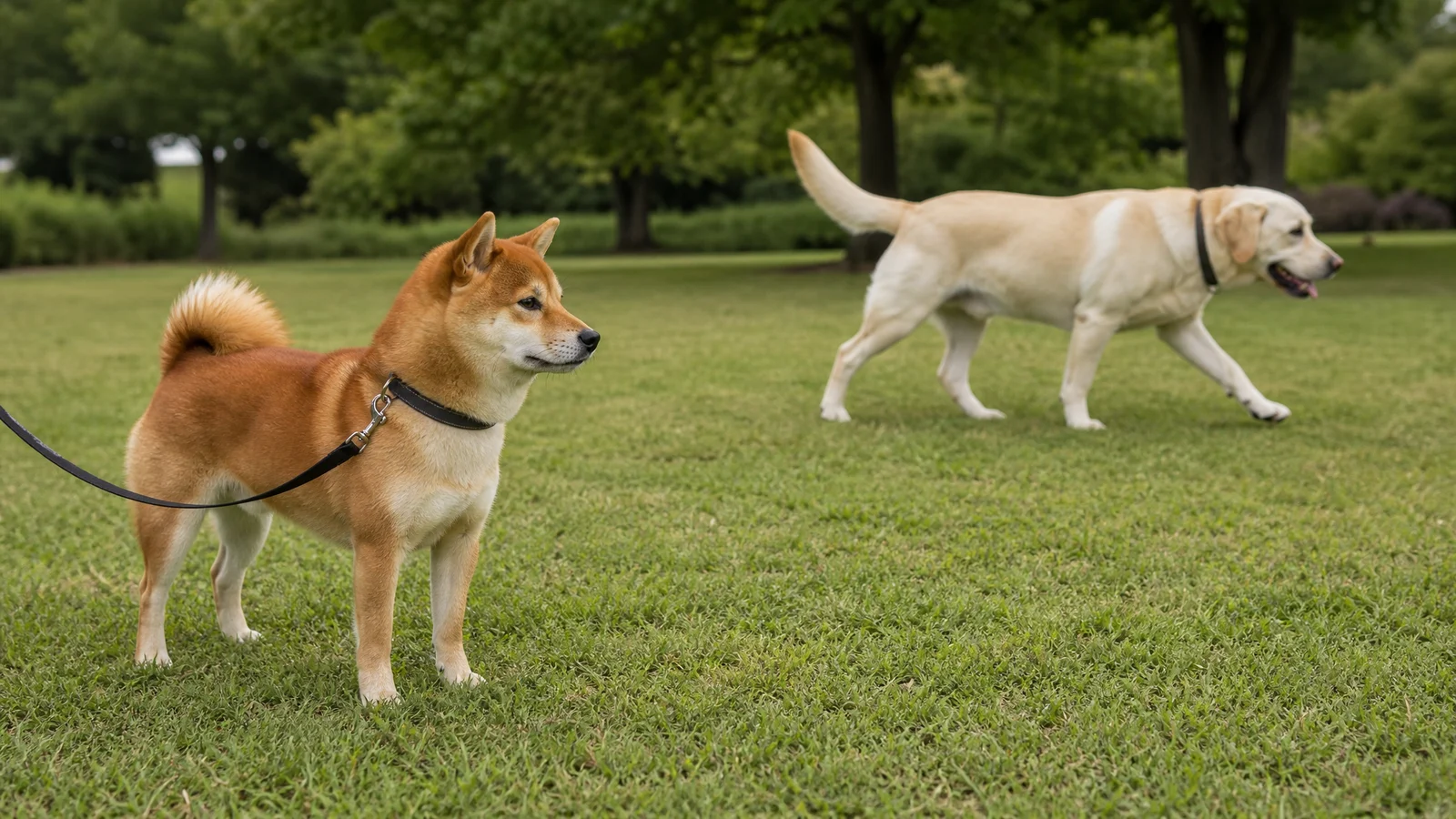 BehaviorDo Shiba Inu Get Along With Other Dogs?
 Training basicsShiba Inu Pulling on Leash: Teach a Loose-Leash Walk