 Shiba Inu
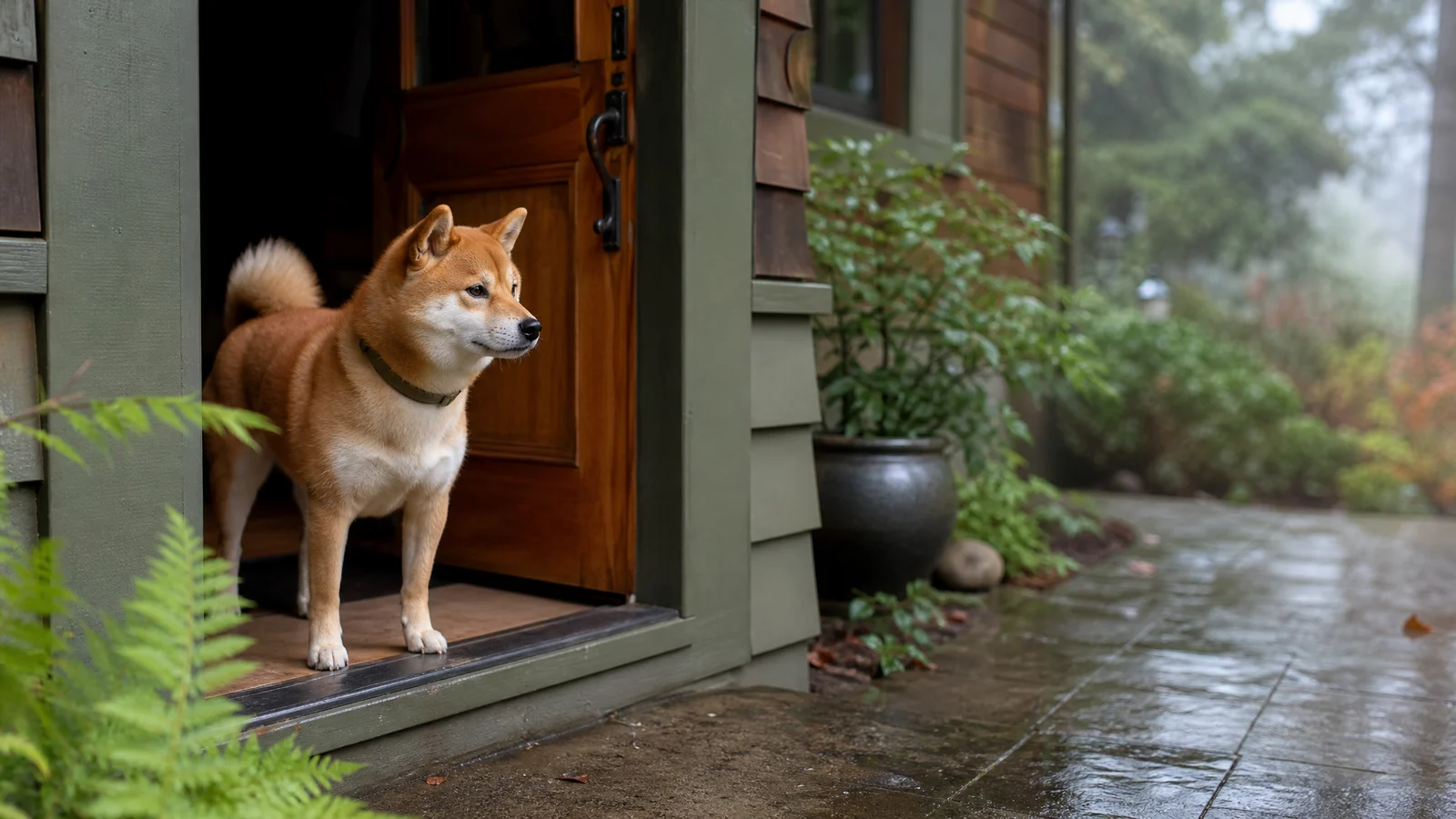
An off-leash escape at the front door is usually described from the moment the Shiba Inu is already outside. Rewind five seconds. A delivery is expected, one hand is holding a package, the latch is not fully closed, and the dog's path from the hallway to daylight has no second barrier.
That reconstruction changes the job. Recall still matters, but the first question is which ordinary household event created a straight exit. The next questions concern the dog's first choice, the person's response, and the repair made afterward. Treating those moments as a case file produces better prevention than blaming one failed cue.
This guide follows the incident clock, then closes the file with a two-week retrofit. It addresses doors, gates, and fence openings rather than repeating the site's broader discussion of Shiba Inu recall.
Off-Leash Escape Case File Five Seconds Before
Record what changed just before the opening. Common conditions include a visitor arriving, groceries moving through the door, a child entering, a contractor using a gate, or someone believing another person had secured the dog. The useful fact is the broken layer, not who deserves the most blame.
Walk the route with the door closed. From the dog's usual resting place, count how many barriers remain between the dog and the street when someone uses the entrance. A baby gate, closed interior door, exercise pen, or leashed handoff can provide a second layer, but only if every resident knows when it is used.
An energetic, quick-moving Shiba Inu can exploit a narrow window. The prevention standard should therefore assume that a human will eventually fumble a package or forget a cue. A safety system designed only for perfect attention is not a complete system.
- Which person opened the exterior boundary?
- Which interior barrier was supposed to be active?
- Where was the dog when the routine began?
- What object occupied the person's hands or attention?
- What would have blocked the same route without a spoken cue?
Answer those questions after any near miss as well as a completed escape. A nose through a gate gap or a rush stopped by the leash is valuable evidence. Repairing the route at that stage is safer than waiting for a successful dash.
We recommend photographing the entrance from the dog's approach and from the open side. The images often reveal a chair that defeats a gate, a latch hidden behind bags, or a clear runway that people stopped noticing. Store the photos with the written sequence so later repairs can be compared honestly.
Second Zero for a Shiba Inu at the Threshold
At the closed door, teach a visible position that does not depend on a long verbal lecture. That position might be behind a taped floor line, on a mat set well back from the swing, or beside an adult on leash. Reward being there while the handle moves only a fraction.
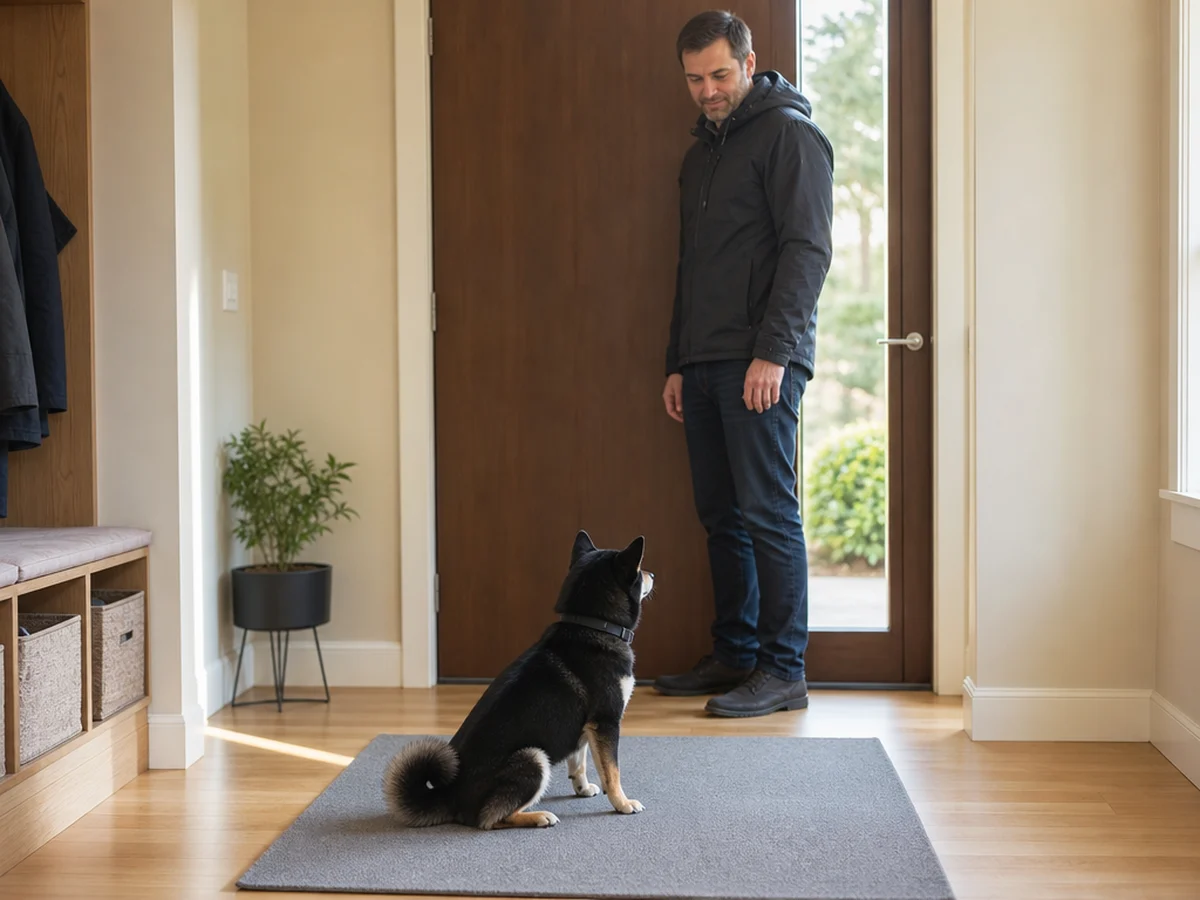
The door opening is information, not permission. Open it slightly, close it, and pay the dog for remaining in the chosen area. If the dog crosses the line, quietly reset with the door shut and make the opening easier. The consequence for rushing is loss of access, while waiting keeps the possibility of a reward.
Do not stand in the doorway using your body as the only barrier. That arrangement teaches the dog to read a gap around your legs and can fail when a smaller family member answers. Put the dog's starting position far enough back that a normal door movement does not create an immediate contest.
Reward-based Shiba Inu training works best when the dog can identify the action that pays. Here, that action is staying behind a clear boundary as the door changes. It is not silently guessing how long a person expects self-control.
Use a release cue only when someone is ready to manage what follows. Sometimes the dog will go through on leash, and sometimes the door will close with the dog still inside. That variation prevents the waiting position from becoming a tense countdown to every possible exit.
Seconds One to Five in a Shiba Inu Off-Leash Escape
If the dog slips through but remains near the entrance, avoid turning the moment into a chase. Running directly at a loose dog can increase movement away or create a game. Use a bright, familiar recall voice, lower your posture if that has been rehearsed, and move away from danger when doing so draws the dog with you.
The RSPCA recall guide recommends an inviting tone, moving a few paces away, and getting low to encourage a return. It also warns against telling the dog off after they come back. Punishment at reunion can make the next return less attractive.
Offer a reward that has already been practiced for emergency use, but do not depend on displaying food the dog has never found compelling outside. A special recall word, whistle, or rapid food delivery becomes useful through many safe rehearsals on leash or a long line. The emergency is not the moment to teach its meaning.
If the dog is moving toward traffic, people should prioritize physical safety and call local help as needed. One person can keep the dog in view while another closes gates, brings familiar food, retrieves a leash, and alerts nearby drivers. Crowding the dog with several pursuers can enlarge the problem.
A Shiba who pauses to sniff has not decided to return, but the event has slowed. The familiar caller can move toward a safer direction and present the practiced signal. Advancing whenever the dog looks back can restart movement away.
The Chase Decision During an Off-Leash Escape
Choose actions according to location, not pride. Near a road, prevent additional people or animals from driving the dog into traffic. In an enclosed yard, reduce pressure and make the safe return point obvious. In an open area, maintain sight and use practiced attraction without assuming the dog will respond as they do indoors.
A long line can give the dog space to practice turning back without granting complete freedom. Use it with a secure, properly fitted harness and in an area without snag hazards. It is a training and safety tool, not proof that recall has failed.
Leash frustration can complicate the picture when the dog sees the line only as the end of freedom. Battersea's leash-frustration advice emphasizes working at a manageable distance and seeking qualified help when reactions are extreme. Keep return practice calm enough that the safety gear does not predict conflict.
Keep that card with current identification and microchip details where household members can find it. The card is not a substitute for local emergency judgment. It prevents a frightened group from inventing five conflicting strategies while the dog is still moving.
After Return Close the Shiba Inu Escape File
Secure the dog before discussing the incident. Clip the leash, close the second barrier, offer water, and allow arousal to settle. Do not use the reunion to prove a point through punishment or prolonged handling, because returning to a person should remain safe.
Then write a factual sequence. Note the opening, missing barrier, dog's first direction, cues used, actions that increased or reduced distance, and the place of recovery. Avoid claims about motive. The sequence is enough to expose the system failure.
Check the dog for injury, heat stress, damaged paws, or unusual movement, and contact a veterinarian when there is concern. Keep regular vet visits and identification current. A dog who was struck, fell, ate an unknown substance, or appears unwell needs professional assessment rather than observation alone.
Repair one physical layer the same day if possible. Move the parcel drop, close the hallway door, add a gate, adjust a latch, or place a leash station before the next delivery. Training may take weeks, while the entrance will be used again within hours.
Share the reconstruction with anyone who uses the entrance, including occasional visitors and service workers when relevant. The aim is a short instruction they can follow, such as waiting outside until the interior gate is latched. A complicated explanation is less useful when someone is balancing tools or boxes.
Gate and Fence Off-Leash Escapes Need Separate Evidence
A gate incident is not automatically a front-door problem outdoors. A loose latch, soil gap, warped panel, object placed beside the fence, or person propping a gate open creates a different route. Inspect at the dog's eye level and from both sides, then test the hardware without the dog present.
Walk the entire perimeter regularly, especially after storms, yard work, deliveries, or contractors. Check that everyone who enters understands the gate rule. A sign can help, but a self-closing hinge, reliable latch, and secondary clip provide protection that does not rely on someone noticing the sign.
Practice gate behavior with the Shiba Inu on leash and the outer area controlled. Reward orientation back to the handler and stillness while the latch moves. Do not test progress by leaving the gate unsecured, because a successful escape rehearses exactly the behavior you are trying to prevent.
Loose-leash skills support safe gate practice. Best Friends recommends changing direction rather than jerking when pulling continues in its leash guidance, while PDSA advises stopping when tension appears in its pulling guide. The shared point is that force should not turn the boundary into a more frantic place.
A Two-Week Shiba Inu Off-Leash Escape Retrofit
During days one through three, fix the property route and rehearse the human routine without the dog. Decide who holds the dog, who opens the door, where packages go, and which barrier is never bypassed. Test each latch and place the emergency card, leash, and reward where they can actually be reached.
During days four through seven, practice the dog's station with the exterior door remaining closed. Add handle movement, a soft knock, and a person stepping into the entry one feature at a time. Keep repetitions brief and stop before the Shiba Inu abandons the station to investigate.
During the second week, use planned helpers and maintain the second barrier. Rehearse an arrival, a package handoff, and a family member entering while the dog is secured. Separately, practice the emergency recall on a leash or long line in a safe area, then reward generously and release the dog back to an allowed activity sometimes.
After the second week, review the house rather than staging a dangerous test. The file can close only when the physical layers work on a distracted day, every resident can explain the routine, and the dog's trained position makes the entrance calmer. Keep those layers in place even as skill improves, because preventing another Shiba Inu escape is more reliable than asking one cue to rescue every human mistake.
 BehaviorLetting a Shiba Inu Greet Guests on Their Own Terms
 BehaviorFood Bowl Trust for a Shiba Inu Who Guards Their Dinner
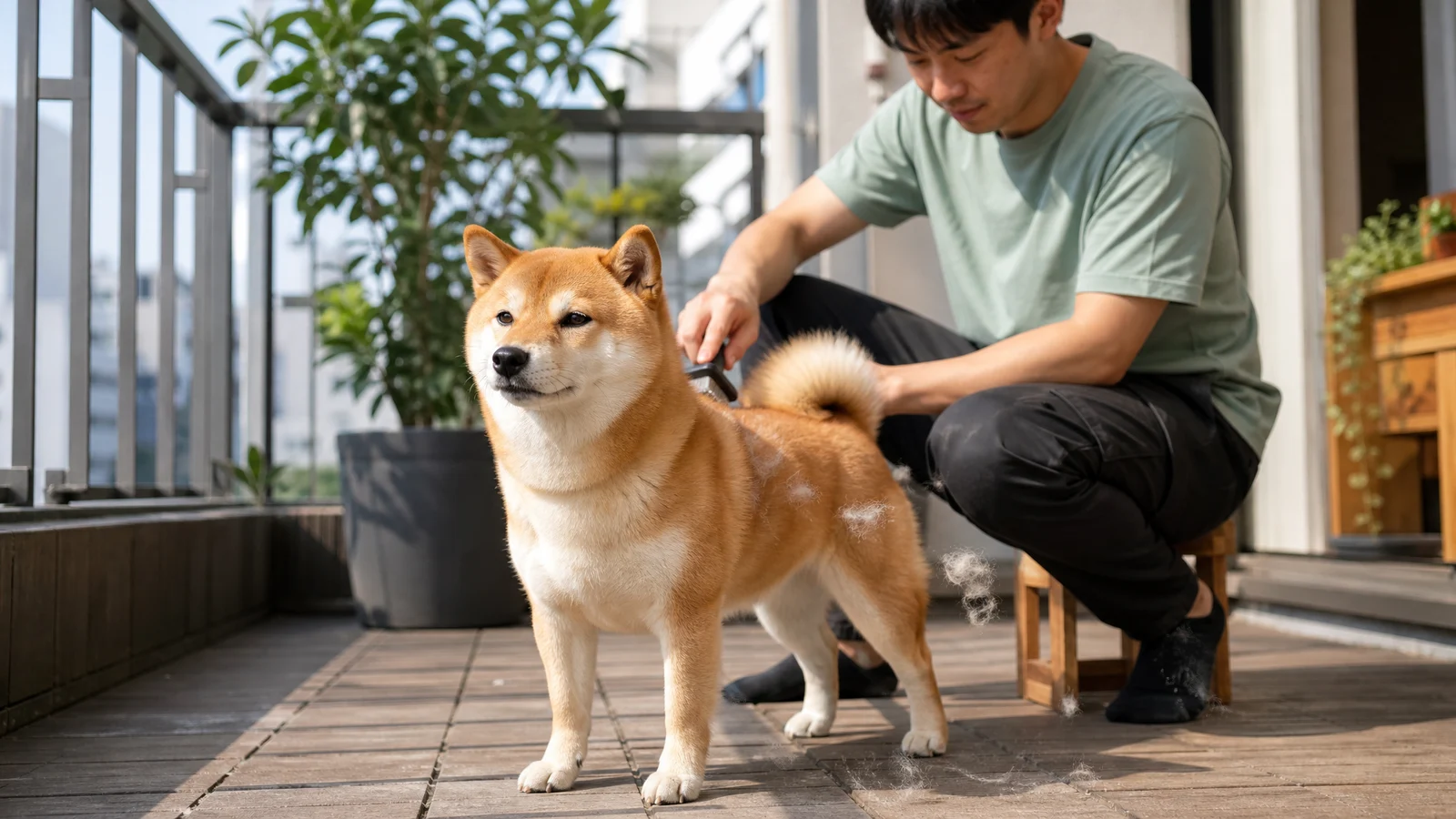 CareShiba Inu Shedding: Teaching Your Dog to Enjoy the Brush