 Shiba Inu
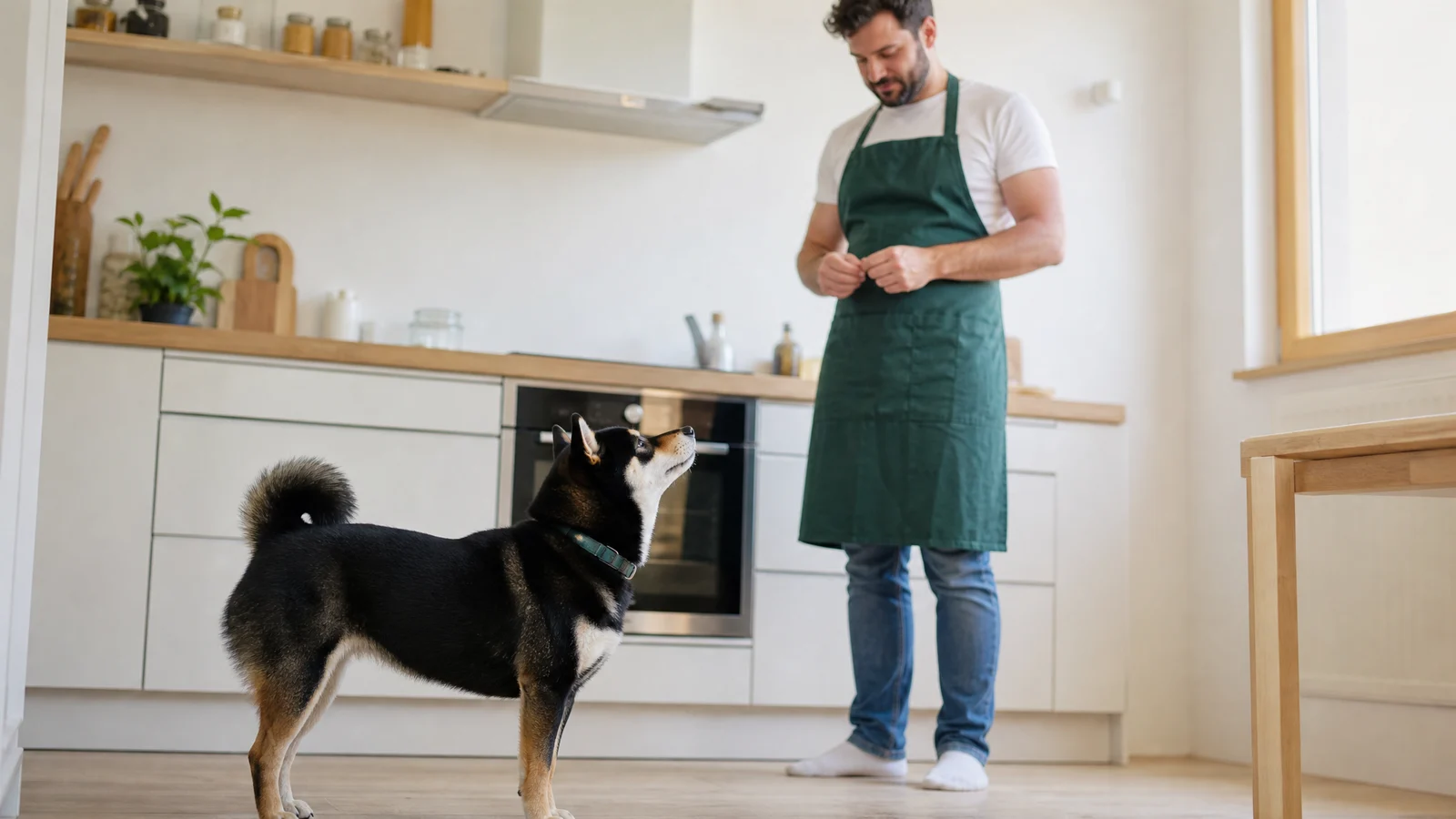
The easiest way to make first lessons fail is to unpack every cue on the first day. A Shiba Inu may meet sit, stay, come, heel, and leave it before either learner knows which reward matters. The result looks like disinterest, but the lesson itself is crowded and unclear.
A better beginning is a tour through five familiar rooms. Each stop has one job, one visible success, and a reason to move on. In this article, we'll tour preparation, attention, household behavior, movement, and outdoor practice in that order. The route gives each stop a distinct job, so progress remains visible even when a Shiba has an uneven day. You are not racing through a syllabus. You are showing your dog that listening produces outcomes they value.
Front Door Room Opens Shiba Inu Training
Before asking for a cue, stand near the closed front door and arrange the lesson, and put several tiny rewards in an easy-to-reach pocket, choose a short marker such as “yes,” and clip on a leash if an open door could create risk. Preparation keeps your hands quiet and your message consistent.
The marker is a promise that a reward is coming. Say it once while your dog is beside you, then deliver food close to your leg. Repeat in different positions until the sound makes them turn toward you. There is no command yet, only a clear association between your voice and a good result.
Reward-based structure is not permissiveness. It gives a dog predictable guidelines without fear, pain, or intimidation. At this first stop, structure means a secured door, a prepared reward, and an achievable request.
Keep regular veterinary visits on the calendar, and ask your veterinarian about any abrupt change in appetite, movement, or willingness to participate. Training data can describe the change, but it cannot determine its physical cause.
Find the Reward That Opens the Tour
Test rewards as choices, not as a judgment about the dog, and offer a familiar dry piece after an easy glance, then try a softer or smellier option after the same glance. The useful reward is the one your dog eats promptly and then returns from, ready for another exchange.
Value changes with context, and a snack that works in a quiet entry may lose to a moving leaf outside, while play may interest a dog who has just eaten. Build a small range of options and reserve the best one for hard locations instead of calling any single food universally high value.
Keep pieces small enough that chewing does not stall the session, and if your dog turns away, sniffs the floor, or stops taking food, lower the difficulty or end the visit. Cooperation is information, and leaving the room while the learner still wants more protects tomorrow’s enthusiasm.
Kitchen Room Trains Shiba Inu Attention
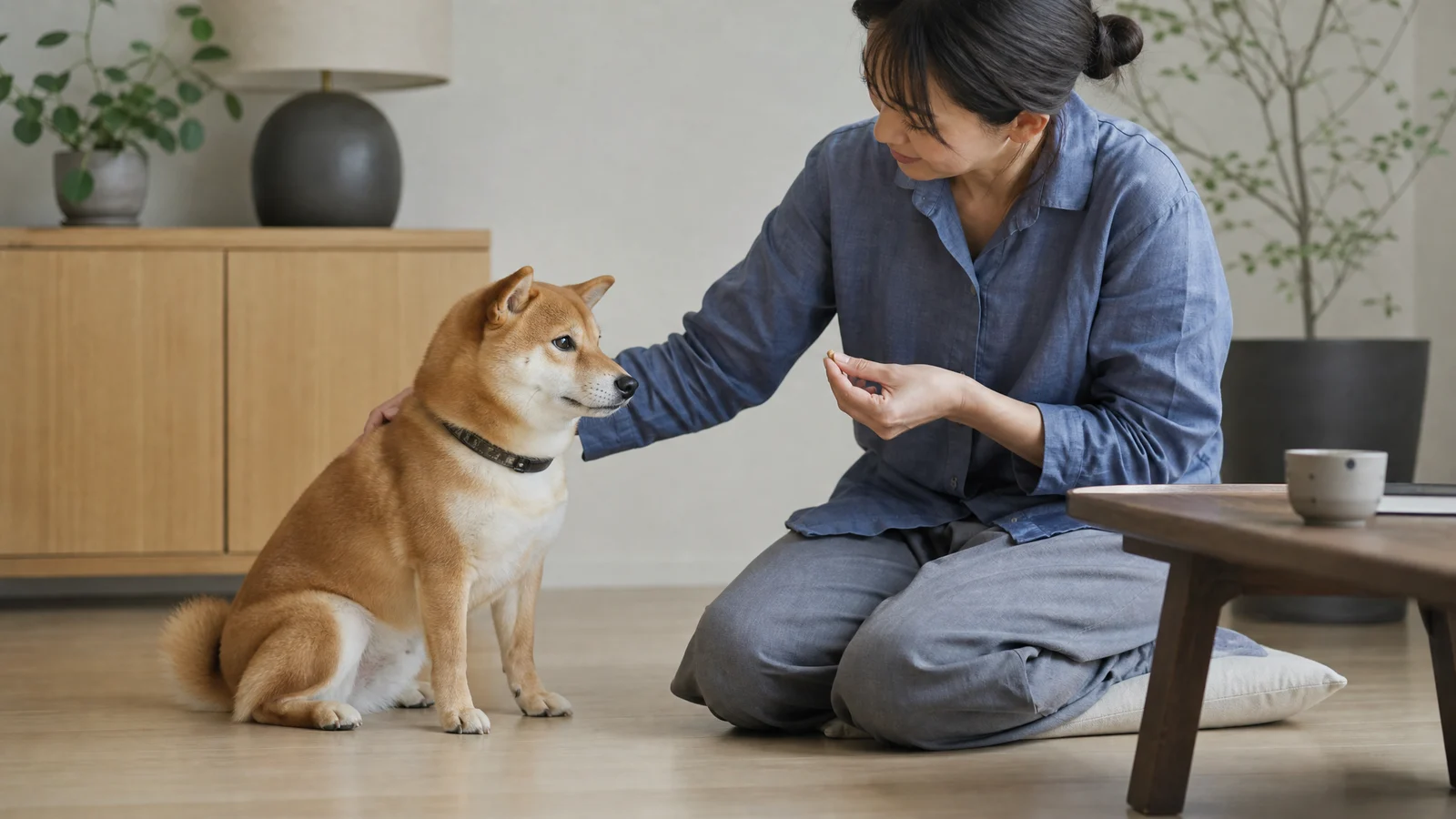
The kitchen makes food delivery easy, but it can also make your hands more interesting than your face. Begin with both hands still. Say your dog’s name once and wait. When their ear, eyes, or muzzle rotates toward you, mark that motion and deliver the reward low enough for four paws to remain grounded.
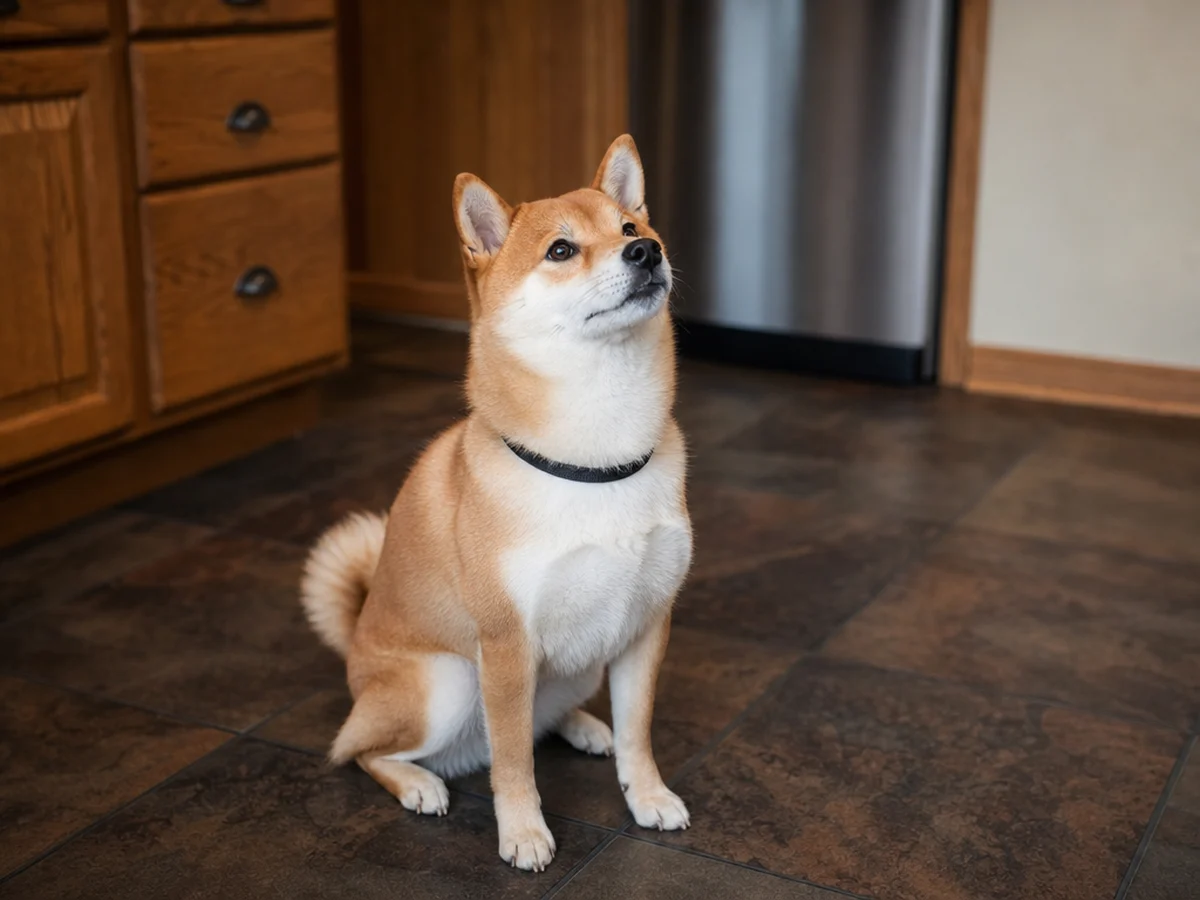
A name is not a demand to hold eye contact. It is a prompt to orient toward the person who has useful information. Reward a quick ear flick or head turn at first, then wait for a fuller turn as the pattern becomes familiar. Progress comes from cleaner responses, not louder repetition.
The reward principle connects a choice with a valued result, increasing the chance that the choice returns. Timing carries most of the teaching. Mark while the turn is happening, then reach for food, so pocket movement does not become the real cue.
Add a Hand Target After the Name
Hold one empty palm near the side of your dog's muzzle, and a curious Shiba will often investigate it with a sniff or soft nose touch. Mark the instant their nose reaches your hand, reward from the other hand, and reset with both hands behind your back.
A hand target gives attention somewhere to go, and it can later guide a dog away from a doorway, around furniture, or into position beside you without pushing their body. Keep the palm close at first, because stretching or stepping belongs to a later version of the game.
Alternate the name response and the target rather than blending them immediately. One repetition begins with the name and rewards a turn. The next begins with the offered palm and rewards a touch. Distinct pictures help a thoughtful learner discover which action caused each marker.
Stop after a handful of successful turns and touches, and short sessions preserve appetite and reduce guessing. Several tiny visits to the kitchen can fit into ordinary meal preparation, which makes consistency easier than a formal block on a busy evening.
Living Room Builds Shiba Inu Obedience
The living room is where a cue becomes useful instead of decorative. Wait near a chair with your dog standing comfortably. Move a reward slowly above and slightly behind their nose, and mark when their rear reaches the floor. After several repetitions, say “sit” just before the familiar motion.
Do not press the dog into position, and luring lets them choose the movement, and the marker identifies the exact choice that worked. Fade the food from the guiding hand by making the same motion with an empty hand, then paying from the other hand.
A cue earns meaning only after the behavior is predictable, and saying “sit” repeatedly while the dog is walking away teaches that the word can be ignored. Ask once in an easy setup, wait briefly, and simplify the picture if nothing happens.
Tomorrow's stop need not be the room that looked hardest today, and choose the place where you can create a clean success, then carry one piece of that success toward the harder setting. That approach gives the Shiba a reason to stay in the tour while you build genuine flexibility.
Turn the Sit Into a Settle
Place a small mat beside your chair and reward any voluntary step onto it, and feed low between the paws when your dog pauses there, because reward placement supports a lower, calmer posture. Release them with a separate word before they decide the exercise is over.
Build duration in uneven, easy pieces, and reward after a brief pause, then an even briefer one, then a slightly longer one. This variation prevents the dog from treating each second as a mounting test and keeps success frequent enough to hold attention.
The goal is not rigid stillness, and a settled dog may shift a hip, look around, or lower their head while remaining on the mat. Reward the state you want in daily life, and avoid polishing a competition-style posture that has no household purpose.
Use the mat while you sit down for a moment, then release before your dog becomes restless, and later, the same skill can support calm meals or visitor routines. For now, the room is complete when your dog can find the mat, pause, and leave on cue.
Hallway Room Turns Training Into Movement
A hallway turns attention into movement without the distractions of a full walk, and begin with your dog beside you, say their name, and take one step after they orient. Mark while the leash remains loose, deliver the reward near your leg, and pause before trying another short stretch.
Change direction before the leash tightens. The turn should feel like an invitation, not a surprise. A cheerful voice and an easy hand target can bring the dog with you, while a reward after the turn confirms that following was worthwhile.
This room also introduces waiting at boundaries. Walk toward a closed interior door, pause, and reward four paws on the floor. Touch the handle, reward again, then open the door only a crack. If your dog surges, close it calmly and make the next attempt easier.
If one room falls apart, walk backward through the tour rather than adding pressure. A quieter location, closer target, better reward, or shorter visit may restore clarity. The linked guide to how to train through ignored cues can help you audit that choice. The Shiba Inu leash training tree continues the movement lesson once a hallway curve is easy.
Rehearse the Door Before the Sidewalk
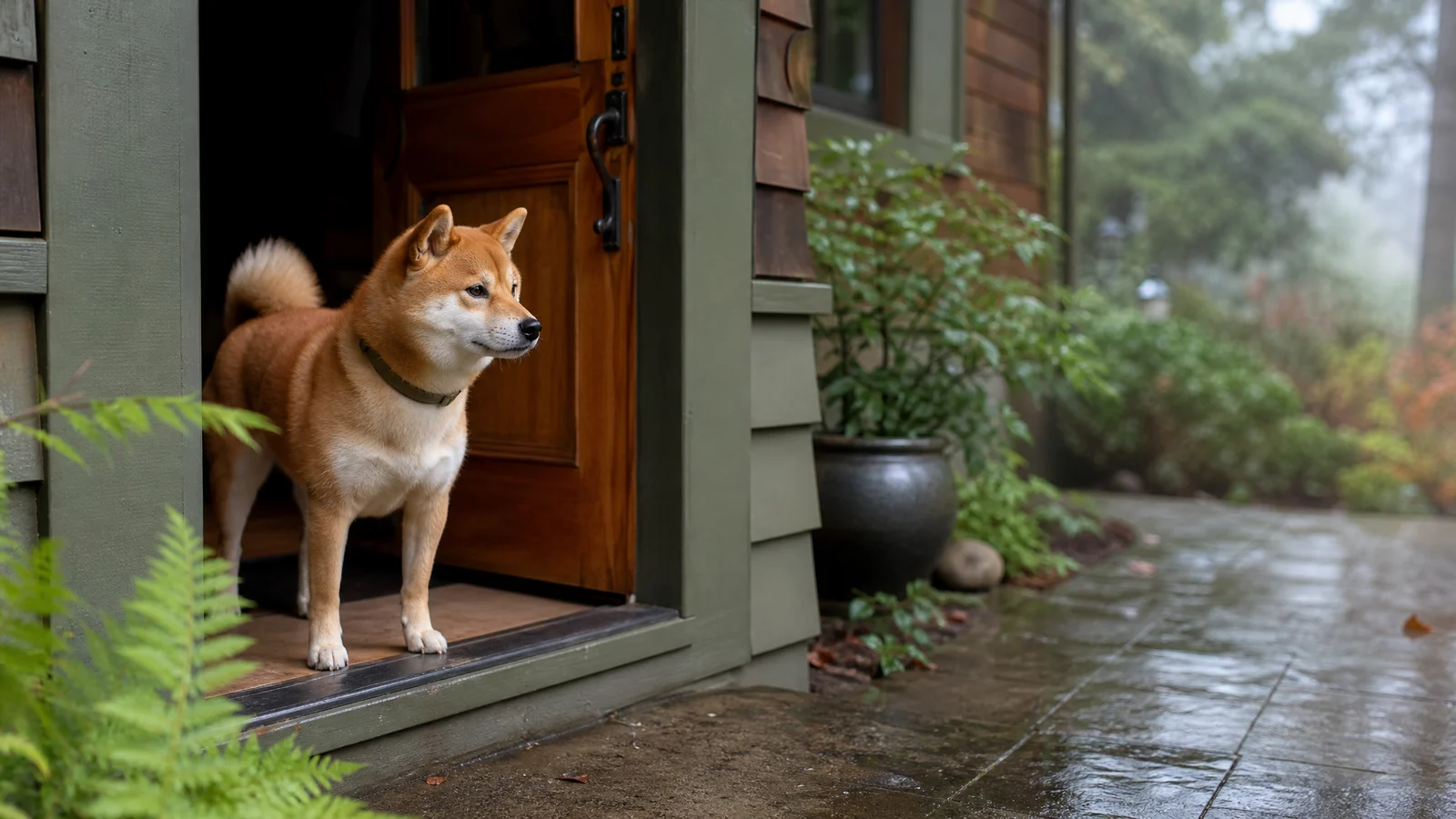
We often see the doorway treated as a final exam when it should be another practice corner. Work with the exterior door closed, reward the Shiba for pausing as your hand approaches the handle, and release away from it between trials. That reset prevents forward pressure from building across repetitions.
- Mark orientation before stepping.
- Reward beside your body, not ahead.
- Pause before touching the closed door.
- Use one release word at the doorway.
The list is a route, not a test to finish in one session. Practice the first two items on one pass and the doorway on another. Separating the pieces keeps the hallway from becoming a long chain in which one mistake erases several good choices.
If tightness appears immediately, stand still and wait for a glance back or a shift toward you. Mark that slackening and reward where you want the dog to return. You are teaching that connection restarts movement, which will matter when the tour reaches the sidewalk.
Use the two-week route as a flexible map. It should connect selected rooms without turning them into one memorized chain. We want the dog to respond to the current cue, not race through a routine based on the room order.
During the first week, visit only two or three rooms each day. Pair the marker, build the name turn, practice the hand target, and end with an easy sit or mat pause. Keep a simple note about the reward and location that produced the quickest response.
During the second week, connect selected rooms. Ask for orientation in the kitchen, take a few loose steps in the hallway, pause at the door, and finish with one outdoor check-in. On another day, skip the hallway and develop the mat, so the pattern does not become automatic choreography.
- Return to the room where attention was easiest.
- Carry only one familiar skill into a harder room.
- Finish with a release that your dog understands.
Outdoor Room Extends Shiba Inu Training
Move first to a secured yard, quiet stoop, or calm patch near home. Outdoor scent and motion raise the price of attention, so return to the easiest kitchen skill. Say the name once and reward a small orientation before asking for a hand target or a step beside you.
Keep the leash as a safety system, not a steering device. The breed’s outdoor reliability should never be assumed, and training does not create an off-leash guarantee. The leash allows your dog to notice the world while you reward voluntary returns to the conversation.
Let sniffing become part of the payment. After a successful check-in, use a release word and walk with your dog to an interesting patch. A simple beginning scent search with food in open boxes can also give outdoor attention a purposeful, self-rewarding outlet in a secure area. Food is not the only reward available, and access to the environment can make your requests more relevant outside.
You will know the route is working when your dog turns faster, stays in the exchange, and can use a familiar skill in a slightly harder place. Then choose the room that needs practice tomorrow. A first curriculum should remain small enough that both learners are eager to open the next door.
 Training basicsIs Your Shiba Inu Hard to Train? The 2 of 5 Score Explained
 CareShiba Inu Nails and Vet Visits: Building Trust With Touch
 Training basicsShiba Inu Door Dashes and Gate Escapes: Rewarding the Check-In