 Shiba Inu
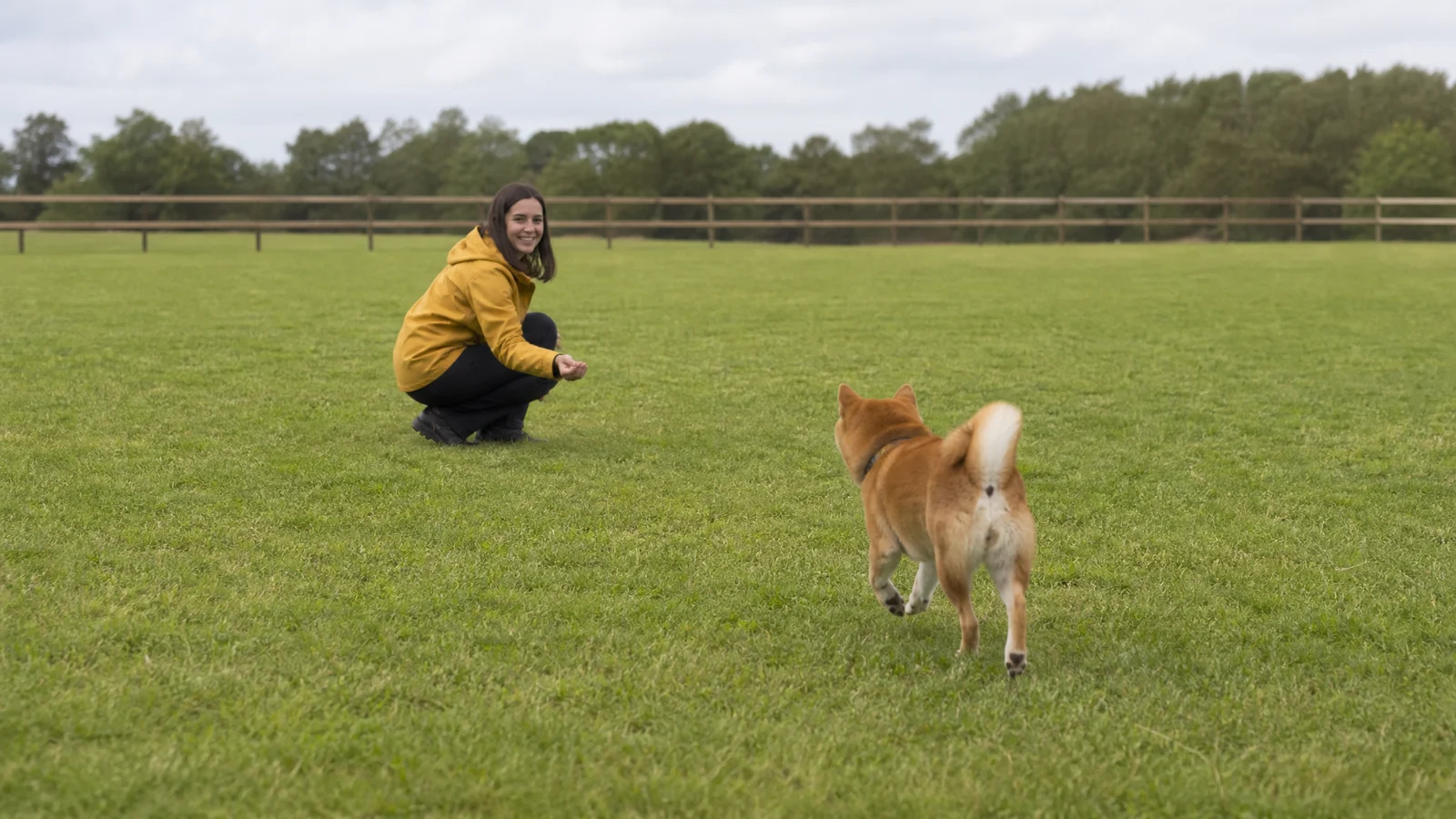
The breed standard says a Shiba Inu can never be considered reliable off leash unless they are in a confined area, and no amount of obedience training changes that. Owners describe the same thing from the other side. Their Shiba comes when called in the living room, in the yard, even in a class, then acts like a stranger the moment a gate swings open or a scent drifts past.
This article looks at recall as a safety skill rather than a promise. You will be able to build the strongest call-back your dog can manage, choose rewards and gear that raise your odds, and set up your home and outings so one bad moment does not become a lost dog. Handled honestly, recall interrupts trouble. Handled with false confidence, it puts a fast, bold dog near traffic.
Obedience Classes Do Not Make a Shiba Inu Reliable
Many owners report a Shiba puppy who comes flying back on every call, off leash and happy, and then somewhere between roughly 7 months and a year the dog stops listening. Often a single chase or escape is the turning point. The dog learns they can outrun the person at the other end of the leash, and that discovery is very hard to unlearn.
The cause is not a gap in training. A recall cue is learned behavior, and learned behavior competes with whatever the dog finds more rewarding in the moment. For a young Shiba, the first real taste of open space and speed can outweigh nearly any treat. Skills practiced in a quiet class have simply not been tested against that pull.
What the Standard Is Really Saying
The standard does not call Shibas untrainable. It separates obedience from off-leash reliability and points you toward fencing and leashed outings instead of a perfect recall. Owners who have lived with the breed for years often land in the same place. They limit off-leash time to fully enclosed areas, long lines, or spots far from roads, because they no longer trust the dog, even after years of solid work.
What Classes Are Still Good For
Classes remain worth your time. Puppyhood can be a difficult stretch, and early socialization plus a rewarded, well-practiced recall give you a real tool. Count that tool as a safety net, not a license to open the gate.
Stubbornness Is Not Why Shiba Inu Recall Fails
You call, your Shiba glances back, and then keeps following a scent trail into the brush. It looks like defiance, and it is easy to take personally. A more useful reading is that two things are competing for the dog's attention and the other one is winning.
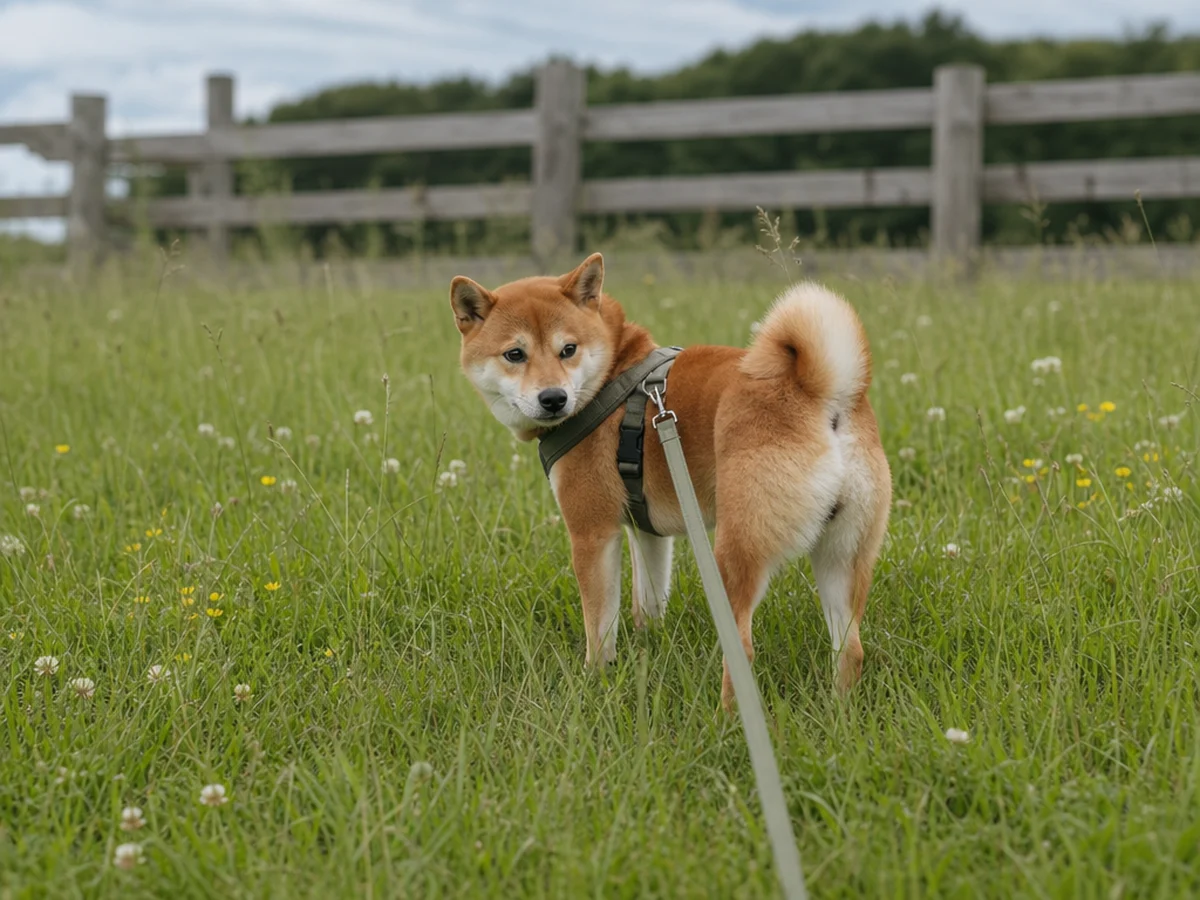
The Shiba is the smallest of the Japanese native breeds, developed to hunt by sight and scent in dense undergrowth. The standard also describes an independent nature. Put those together and you get a dog whose default setting is to pursue whatever moves or smells interesting and to make decisions without checking in with you.
Owners describe training falling apart once the dog is in chase mode, which we use here to mean the state where a dog is locked onto a scent, a deer, or simply the thrill of being free. Some dogs run far, stay out a long time, and ignore every cue.
We cannot see inside a dog's head, so we should be careful about motive. What owners consistently report is that recall depends on the moment, the reward, and the dog's mood. Overstimulation lowers it, and freedom itself is often the top competitor.
That fits the breed's low trainability rating, which reflects self-direction rather than a lack of brains. A very intelligent dog who has learned running pays well will keep choosing it. So the fix is not a firmer voice. It is making coming back worth more than leaving, and keeping the poor-odds situations off the table.
Better Shiba Inu Recall Rewards Improve Odds, Not Guarantees
Ask owners what brought a loose Shiba back and the answers are almost always about food or excitement. Cheese, sardines, tuna, whipped cream, marshmallows, and a shaken treat bag or food container all show up. An excited voice combined with loud rummaging for treats works for some dogs, because it sounds like something wonderful is about to happen without them.
The reason is simple. Ordinary kibble loses to a squirrel. Most Shibas will work for treats, but only if the treat is worth more than the alternative. Reserve your best items for recall alone so the cue keeps its power. A few owners pair a whistle with cheese, or use a special high-value emergency word never used in casual conversation, and report that it helped.
Lures Owners Say Have Worked
Beyond food, owners report other things that have pulled an escaped dog back:
- Getting into the car or offering a car ride, which some Shibas treat as a reward in itself.
- Calling, holding, or petting another pet, since many Shibas hate missing out on attention going elsewhere.
- Staying put, moving away, or dropping to the ground rather than walking toward the dog.
- Playing a kitten-meow video at the door for a dog waiting outside.
Where the Odds Run Out
Some of these tricks work only once, and shouting or marching toward the dog failed for several owners. Chasing is the worst option of all, because a Shiba treats being chased as play and runs farther or faster, sometimes toward traffic. Practice often, vary the rewards, and treat each success as better odds, never as a guarantee.
Long Lines Are Recall Training Tools, Not Failures
Owners often feel a small embarrassment about the line trailing behind their dog, as if it admits defeat. It does the opposite. Among owners who have kept their Shibas safe, very long or dragged lines come up again and again, because they let the dog run while you keep control.
The RSPCA describes a long training lead as a way to practice recall while allowing a little freedom, stopping short of a full free run. That is the key idea. A line lets you rehearse calling your dog away from distractions without also rehearsing the dog ignoring you. Every time a Shiba blows off a cue with nothing attached, they learn the cue is optional.
Choose Gear That Cannot Be Slipped
Gear matters as much as length, because Shibas are known for escaping equipment. Owners report dogs slipping out of collars, backing out of harnesses, and wriggling free after a scare, at dog parks, on city streets, and on vacation, sometimes as a game. Loose clasps have failed beside roads. Owners who stopped the escapes describe a snug, well-fitted harness or a martingale-style collar, and a few add a backup strap or locking clip.
Build Distance Gradually
Check the fit before every outing and attach the line to the sturdiest point you have. Practice calls at a modest distance, reward heavily, and lengthen the gap only as the dog proves they respond. If a new place startles your dog, shorten the line and go back to easy work, since a spooked Shiba is the one most likely to bolt.
Secure Fencing Beats Trusting Your Shiba Inu
A common belief is that a dog who stays close on walks can be trusted in open space. Owners learn otherwise at doors and gates. A Shiba darts through an open door when guests arrive, groceries come in, or someone forgets a latch, and while many come back on their own, others run for hours. Staying close reflects mood and opportunity, not a settled decision to stay.
Fencing is therefore your first line of defense, not a backup. Even so, a few owners report Shibas escaping from fenced yards, including privacy-fenced ones, by finding small weaknesses. Walk the perimeter regularly, check under the bottom edge, look for loose boards and anything climbable, and reinforce what you find.
Door manners work the same way, built from habits rather than trust. These are the approaches owners say have held up:
- Train a wait cue at the front door and reward the dog for holding it while the door is open.
- Create an airlock with a baby gate so there is always a second barrier between the dog and the outdoors.
- Brief guests and family, especially children, so the dog is settled elsewhere before the door opens.
- Swap or lock handles if your dog learns to open lever or round handles.
None of this replaces a good recall. It means a failed recall never gets the chance to matter.
Enclosed Areas Are the Only Safe Off-Leash Recall Practice
Dog parks and quiet trails feel safe, and that feeling is the problem. Owners report Shibas who bolt after a deer, follow a scent, or get spooked in unfamiliar surroundings, and several were only caught because the dog stopped to relieve themselves or got absorbed in a smell. Others were gone for a 5-hour search, a 2-day search, or even 9 days across busy streets, often near highways or city roads, with near misses from cars.
Why Public Spaces Add Risk
The breed standard says the Shiba can be aggressive toward other dogs and should be under the handler's control at all times. A crowded park is where an excitable dog, other dogs, and an open exit all meet. Battersea advises that every dog needs a strong, reliable recall before being let off in a public place. For this breed, that bar is rarely met with confidence.
A fully fenced area is the exception because it removes the consequence of a failure. That does not mean a small yard forever. A secure rented field or a well-checked enclosure lets your Shiba sprint, which meets the exercise a dedicated owner should provide.
Safety Nets for the Day Things Go Wrong
Owners use GPS collars or AirTags after escapes. Tracking updates can lag by many minutes, but it is still better than nothing. Keep identification current, and know that some dogs head home, wait on the doorstep, or return to where they last saw you. Searching there first is sensible, and staying calm beats chasing.
What Shiba Inu Recall Looks Like Years Later
Owners who have kept going describe a quieter picture than the one they hoped for at the start. Recall can be strengthened with consistent, reward-based practice and treats your Shiba truly loves, but it still depends on the moment, the reward and the dog's mood. Some owners say escape tendencies ease or become manageable with age.
A minority do have Shibas who are reliably off leash, some for years. These dogs tend to share a few features: consistent training from the start, strong motivation, or an upbringing alongside other off-leash dogs. A few owners say the dog needed almost no training. Treat that as luck and temperament, not a result you can promise yourself, and plan as though yours is the typical Shiba.
Growing older adds a wrinkle. The AVMA lists wandering and disorientation among the behavior changes of cognitive dysfunction, so a senior Shiba who starts drifting off may need medical attention rather than more training. The ASPCA urges owners to report every change to the vet instead of assuming it is just age. Regular vet visits help catch these shifts early.
This is general information about behavior changes in older dogs and is not a diagnosis. If your Shiba shows new wandering, confusion, or other changes, check with your veterinarian.
The honest long-term picture is this. Keep building recall, because it will become a valuable safety net for interrupting trouble and calling your dog away from a door or a hazard. But expect off-leash freedom to stay limited to fenced areas for your Shiba's whole life, and let long lines, secure gear, and solid gates carry the rest.
 BehaviorWhy Does My Shiba Inu Scream and What Can I Teach Instead?
 Training basicsHow to Train Your Shiba Inu With Rewards
 Training basicsIs Your Shiba Inu Hard to Train? The 2 of 5 Score Explained