 Shiba Inu
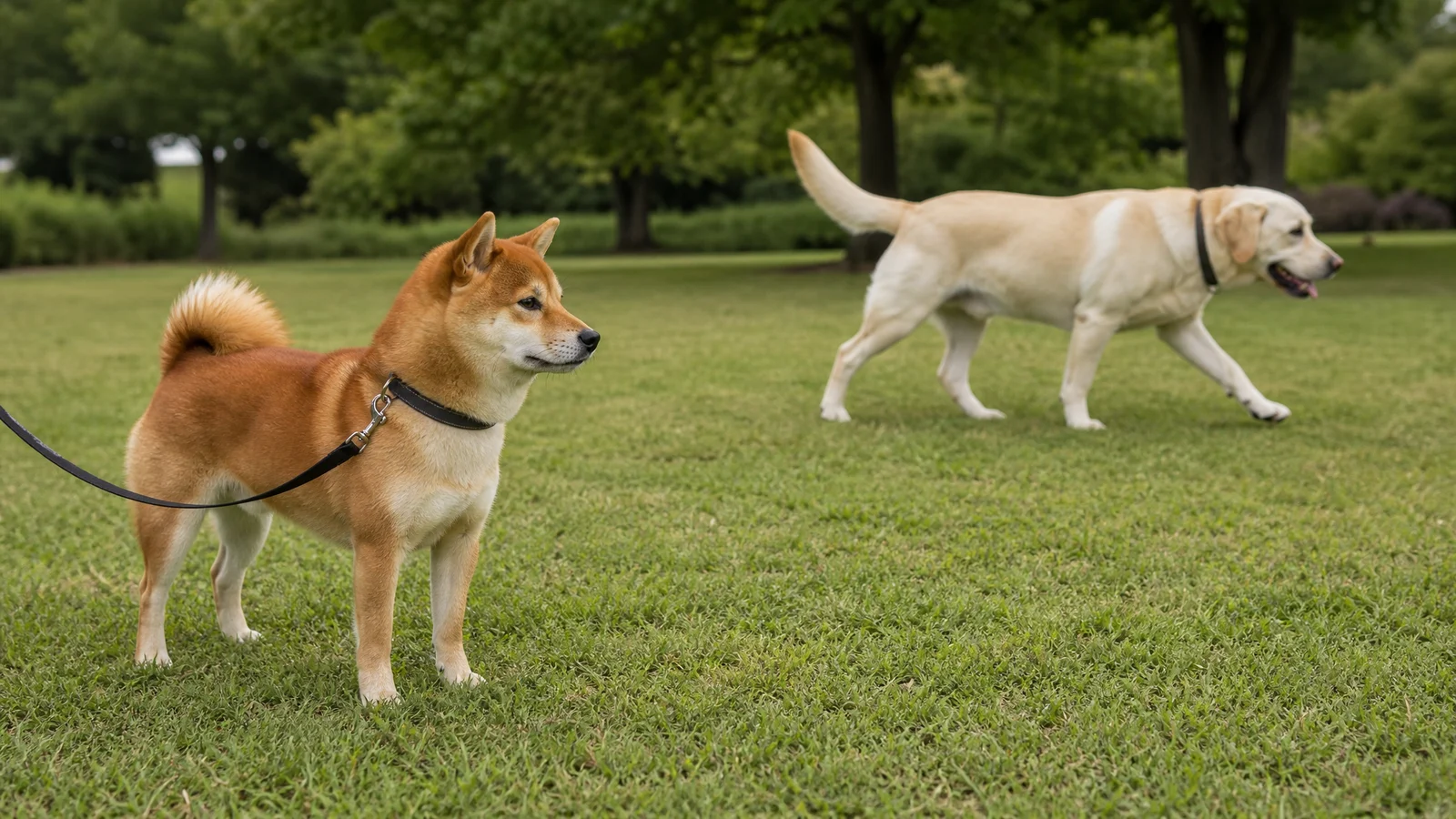
Some Shibas seem easygoing with other dogs as puppies. Pups are most open to learning between 3 and 14 weeks, so the socialization window is the time for calm, boring exposure to other dogs. The attitude can arrive later, as adolescence settles into adulthood, when a pup who ignored every dog on the block may start deciding who gets to pass and how close.
The breed standards say plainly that the Shiba can be aggressive toward other dogs and must stay under the handler's control. For some Shibas the chase also extends to other pets, including a smaller senior dog in the home. Handled badly, you end up with a dog you can't walk down your own block, and handled well, you get a loyal, vigilant companion who tolerates the world without drama.
We'll walk you through living in an apartment, a busy home with children, and sharing space with a second dog, then a long workday spent alone and the questions owners ask most.
Shiba Inu Aggression in an Apartment
In an apartment you don't choose when you meet other dogs. Hallways, elevators, lobbies and shared sidewalks put strangers within a few feet of your Shiba, and the breed's own ratings put getting along with other dogs in the middle of the scale, meaning "with supervision." A reserved, vigilant dog dislikes surprises at close range, and apartment life is mostly surprises at close range.
The upside is that a building runs on routine. The same neighbor dogs use the same doors at the same times, so you can plan encounters instead of reacting to them. Plan for small animals too, because some Shibas go after cats and smaller dogs they meet in a hall, and a Shiba who catches something may not let go.
Elevator and Stairwell Etiquette
If a dog is already in the elevator, wait for the next one. You lose a minute and save yourself a lunge at point-blank range. When you do ride with a neighbor, put your Shiba on the far side from the door, stand between the two dogs, and feed a steady trickle of treats for looking at you.
Stairwells are harder because of the blind turns. Stop on a landing, let the other dog go by while your dog's nose is busy with a treat, and never climb into anyone's space. A fearful dog who is cornered or trapped may turn aggressive, and a stairwell is basically a tube.
Sidewalk Passing and Neighbor Dogs
Sidewalks are where most leash reactivity gets built. Your Shiba spots the other dog first and stiffens, you shorten the leash, and the whole scene becomes a rehearsal. A Shiba can never be considered reliable off leash outside a fenced area, so the leash stays on and the training happens around it. Start with a distance at which your dog will still take food, and work through these steps.
- Spot the other dog before your Shiba reacts, and add space by crossing the street, ducking into a driveway or stepping between parked cars.
- Mark the instant your dog notices the other dog, feed while they look, then feed again when they turn back to you.
- Keep walking in a gentle curve instead of halting to stare, and keep feeding until the other dog is well past.
- Finish with a sniff break or a quick game once the coast is clear.
- Shrink the distance a little at a time over many walks, and back up whenever your dog stops taking treats.
The treats have to beat the competition. Shibas rate low on eagerness to please, though most will work for food, so use real meat or cheese instead of dry biscuits and keep the leash loose so you aren't broadcasting tension down the line.
Repeated, controlled meetings with two or three steady neighbor dogs beat random greetings. Walk in parallel across the street first, then on the same side with room between, and allow a sniff only when both dogs look loose. Gaps in early exposure matter, because improper socialization can leave a dog more prone to fear, avoidance and aggression later, so an adult who missed out needs a slower pace than a pup would.
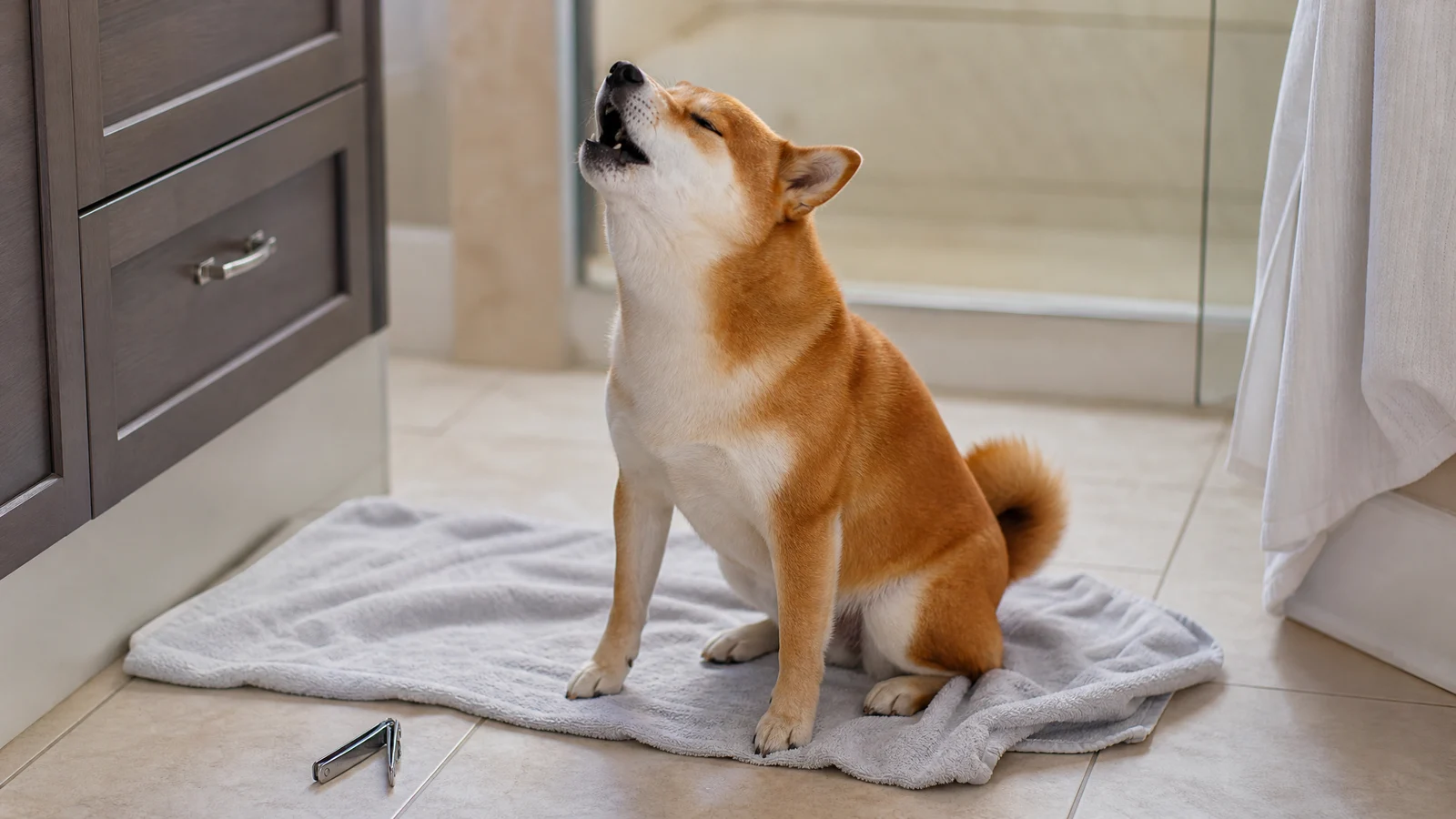
Apartment owners without a good tub setup often hand baths to a groomer or a dog wash, since many Shibas scream as if they're being hurt the moment water touches them. A busy wash station adds a chorus of protesting neighbors and a lot of pre-apologizing, so a quiet, controlled spot is far better for practicing calm handling.
Aggression in Homes With Young Kids
A house with kids means a steady stream of small strangers and, on weekends, their dogs. The Shiba's watchdog rating is 5 of 5, which means vigilant, and the standards describe a dog who is reserved with strangers but loyal to those who earn respect. With young children the breed's rating sits in the middle again, meaning supervision, though the breed club does call Shibas good family dogs when children are responsible and careful not to let them escape.
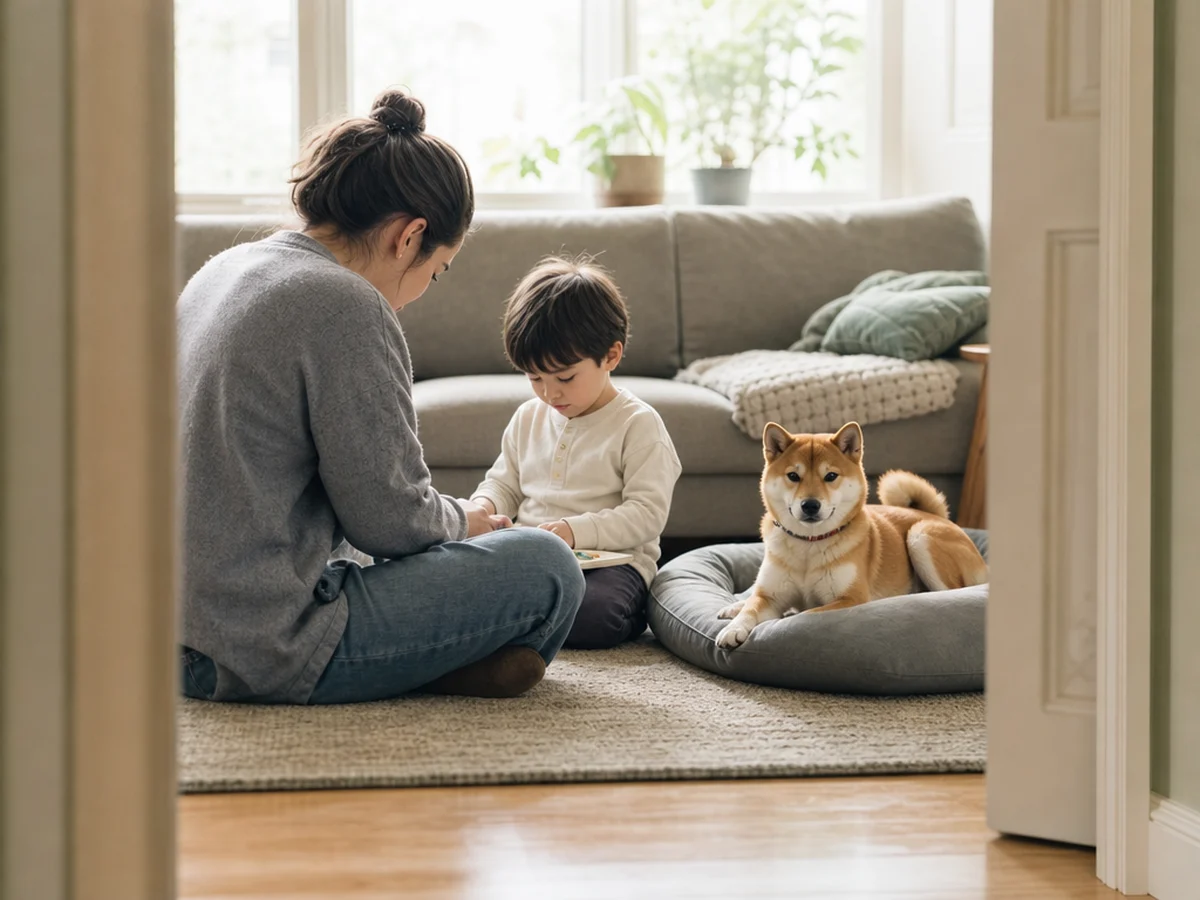
Vigilance is something to manage here and never something to build on. A Shiba who stands at the window and escalates at every kid on a bike is rehearsing, so block the view, move the bed away from the glass and reward calm settling. Pay for the quiet moments and the habit fades.
Supervision Rules
Supervision means an adult who is actually watching, not an adult somewhere else in the building. Children should give the dog space when they are eating, sleeping or resting on a bed, and visiting children should ask first and let the dog approach. Aloofness is normal for the breed, and your Shiba doesn't owe anyone a cuddle.
Teach children the signals that mean back off: freezing, a hard stare, a turned head or a dog simply walking away. Keep doors and gates secure as well, since a front door propped open by a kid is exactly how a Shiba's escape skills get tested.
Safe Spaces
Every Shiba in a busy home needs a place where nobody is allowed to bother them. A crate or a gated room works, and crate time should be routine, including when people are home and at night, which also helps the Shibas who struggle with being alone. Serve meals and chews there so the space means good things, and make it a household rule that no one follows the dog in.
When your dog retreats to that space, that is a good decision and not a problem. A fearful dog will usually pick retreat if retreat is possible, so make sure it is.
Guest-Dog Visits
A visiting kid's dog is a stranger who arrives with new smells and an owner promising they'll be fine. Meet on neutral ground such as the sidewalk, walk together with space between, and head inside only once both dogs look loose. Pick up toys, chews and bowls beforehand, and end the visit before anyone's patience does.
Give your Shiba a break room during the visit, and don't treat one good afternoon as proof of friendship. Calm tolerance is the goal, because aloofness is accepted for the breed. Early obedience and socialization classes help, but they never replace an adult paying attention.
Aggression in a Two-Dog Household
The breed standards warn that the Shiba can be aggressive toward other dogs and should be under the handler's control at all times, and that warning does real work once a second dog moves in. The trouble rarely starts as a fight on day one. It builds slowly around the couch, the doorway and your attention, and a smaller or older housemate is most at risk because some Shibas chase and keep going.
Our years with this breed point to the same pattern every time: management comes first and training goes on top. In the first month, gates, crates and schedules do more than any cue you teach.
Resource Guarding
A middling 3 out of 5 on the sociability scale for other dogs means these dogs do best when someone is watching. A bold, independent Shiba may also decide that a chew, bed or lap belongs to them alone. Guarding shows up as stiffening, freezing, a hard stare or a quick lip lift, and any of those is your cue to step in early. Remove the competition, toss treats away from the item to move the dog off it, and trade up for something better instead of hovering.
Give each dog their own bed and keep chews in separate spots. The less there is to argue over, the less arguing you'll referee.
Feeding Setups
Feed in separate rooms or behind a closed gate, and pick bowls up as soon as they're empty. Stuffed toys and long chews go into separate crates, never onto the living room floor. Keep mealtimes the same every day so nobody is guessing when food appears.
Walk the dogs to their spots one at a time, and open the gate only when both have finished and moved off. It's boring and it works.
When to Separate
Separate your dogs whenever you can't watch them and whenever tension is climbing. Baby gates, crates and rotating schedules are dull but effective. Keep regular vet visits on the calendar too, and mention any sudden change in how your dogs treat each other.
- One dog freezes, stares or stiffens every time the other approaches.
- One dog keeps getting cornered or can't get away without you stepping in.
- Chasing turns serious or silent, especially toward a smaller or older dog, or a dog won't release once they have hold.
- Scuffles leave marks, or keep happening around food, doors or your attention.
Any of those means the dogs live on a rotation while you bring in a reward-based professional, not that you wait for it to blow over.
Shiba Inu Alone All Day
A mature Shiba left alone is usually not destructive, but the day still adds up. Their energy is moderate while their need for mental stimulation is high, and an under-stimulated dog can store it up and spend it on the leash at the first dog they see. The reactive Shiba on your evening walk can be a frustrated one who has been waiting all day.
Owners come home tired and do a quick lap of the block, which is the worst setup: a wound-up dog, a short walk and the same neighbor dog at the same corner. Slow down instead. Let your Shiba sniff, which is cheap mental work, and pick quieter routes and times until the reactivity eases.
- Before work, take an unhurried sniff walk and hand over a food puzzle so the day starts decompressed.
- During the day, arrange a midday break from a walker or neighbor if you can, and practice crate time on other days so being alone isn't a cliff.
- In the evening, walk a quiet route, run a short training session with great treats, then finish with play.
Consistency beats intensity. Shibas need consistent training, and this routine works because it repeats.
Aggression Questions Owners Ask
Once the basics are in place, the same few questions keep coming up. Here are short answers, with links where we've covered the topic in more depth.
Will a Shiba ever love every dog? Probably not, and that's fine. The standards accept aloofness, so aim for calm tolerance rather than eager friendliness and treat any dog friends as a bonus.
Can a Shiba live with a cat? Often, with management and patience, because the chase instinct is real. Our guide to calm coexistence with your cat covers it.
Why does a Shiba ignore you around other dogs? Independence plus a distracting world. Our piece on making treats worth the effort shows how to win back their attention.
When should you call a trainer? Call when lunging continues despite plenty of distance, when a fight or bite has happened, when resource guarding is escalating, or when you've been stuck for several weeks. Choose a reward-based trainer who works with reactivity.
Here is where it all lands. A Shiba is bold, independent and vigilant, so socialize early, manage first, reward calm and set your expectations at tolerance rather than friendship. Do that and dog-directed aggression becomes a trait you manage, not a surprise.
 Training basicsShiba Inu Pulling on Leash: Teach a Loose-Leash Walk
 Training basicsCan a Shiba Inu Ever Be Trained Not to Run Away Off Leash?
 BehaviorWhy Does My Shiba Inu Scream and What Can I Teach Instead?