 Shiba Inu
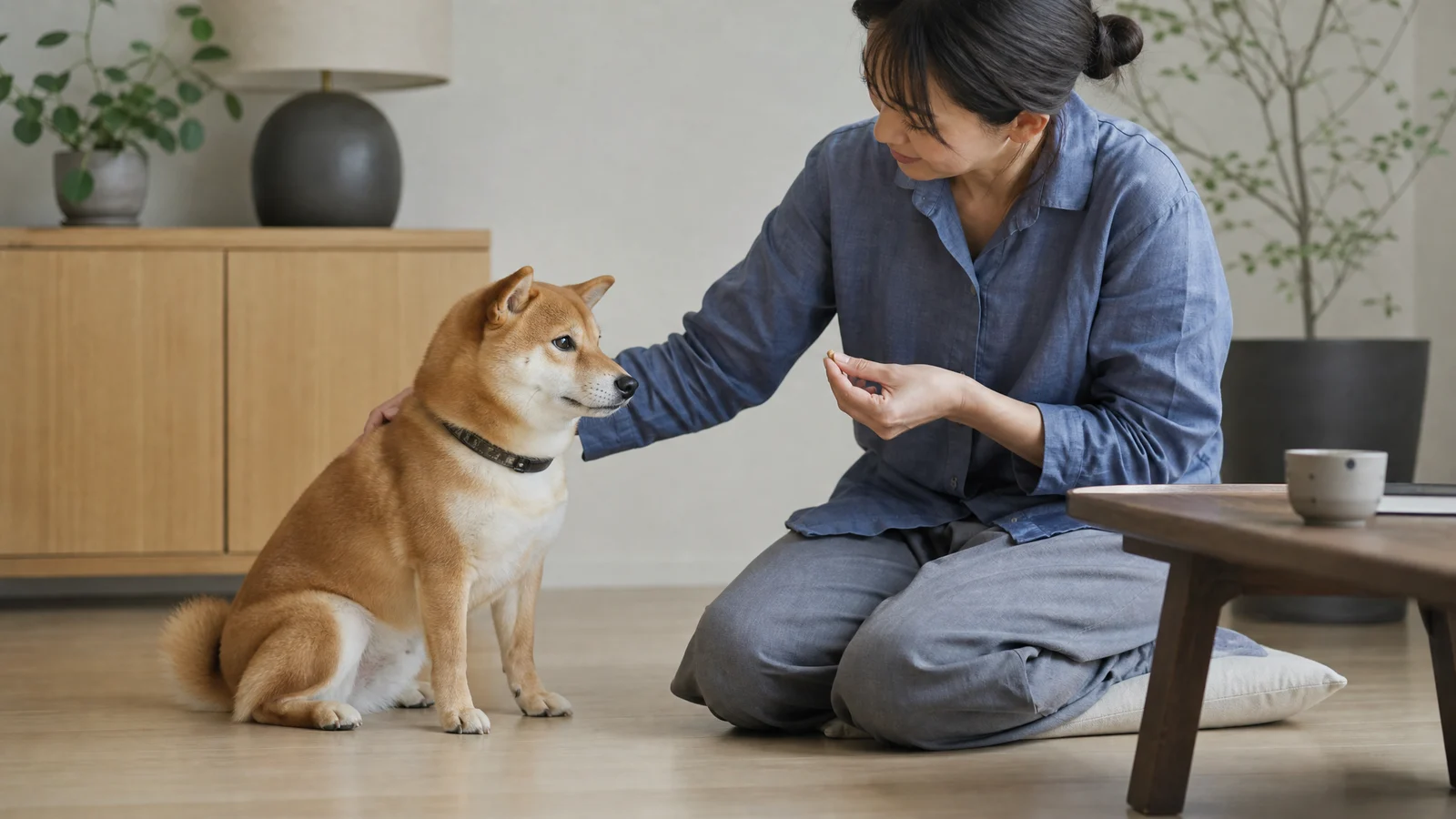
A Shiba Inu may lean into a shoulder rub, then pull the instant a hand slides toward a paw. That contrast matters. It says handling is not one skill that the dog either accepts or refuses, and a pleasant touch on the chest does not grant permission to hold toes, lift lips, or steady the head.
Think of Shiba Inu nails and veterinary handling as a dossier with separate files. Each body zone, tool, and position has its own history. This guide helps you identify the file that needs work, choose a small rehearsal for it, and give a veterinarian or groomer useful information instead of promising that your dog is simply “fine” or “difficult.”
When a Shiba Inu Hates Being Handled, Start With a Map
Begin by mapping responses without trying to finish a procedure. A dog who stays loose for a brief shoulder touch but shifts away from a paw reach has given clear information. Stop there, note the zone, and protect that communication from becoming a struggle.
Handling guidance from Best Friends recommends beginning at areas such as the chest or shoulder before moving to ears, lips, paws, and tail. The useful principle is not a fixed order. It is that comfortable contact and difficult contact should not be treated as interchangeable.
- Trunk file
- Observe breathing, leaning, skin twitching, or stepping away. Try one hand on the shoulder, then deliver food away from the hand.
- Head file
- Observe head turns, lip tension, blinking, or ducking. Let a hand approach beside the cheek without reaching over the head.
- Paw file
- Observe weight shifts, paw withdrawal, toe spreading, or freezing. Touch above the wrist or hock without lifting the foot.
- Position file
- Observe concern about a table, mat, body hold, or unfamiliar person. Let the dog stand on the surface and leave before examination begins.
The map separates tolerance from consent to continue. Remaining still can mean comfort, but it can also mean uncertainty or a freeze. Look at the whole dog, then end while the body is still soft enough to choose food, turn away, or return voluntarily.
Neutral Zones When a Shiba Inu Hates Being Handled
The best baseline is a part of the body that is not currently sensitive. Touch the shoulder for a second, remove the hand, and then offer a small reward. Delivering the food after the hand leaves makes the sequence easy to read and prevents the dog from following food while contact quietly becomes harder.
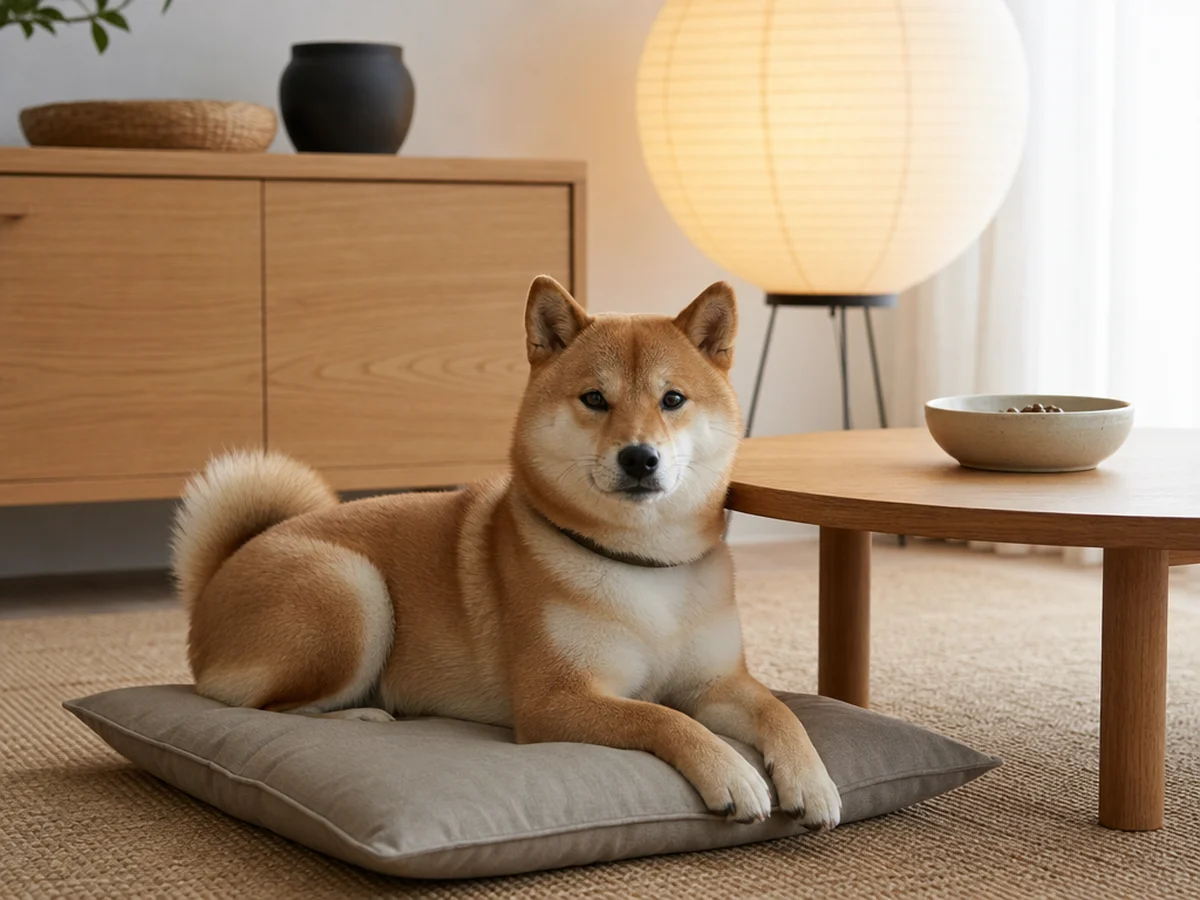
A Shiba Inu's independent nature is not a reason to overpower resistance. The UKC description recognizes an independent breed with alert senses and quick movement. Those traits make clear handling especially valuable because the dog notices small changes in reach, pressure, footing, and escape access.
Use a surface where the dog can stand securely and leave safely. Slippery floors, a looming posture, or a hand descending over the head can change an otherwise easy exercise. If the dog declines food only when the setup changes, investigate the setup before deciding the reward has lost value.
Keep regular vet visits on the calendar even while handling improves. Home practice can make routine examinations easier, but it cannot determine why a previously comfortable body part has become painful or why a response changed suddenly.
We treat this neutral-zone work as a calibration rather than a warm-up to something harder. If a Shiba can relax for shoulder contact today, that success remains useful even when the session never travels toward a paw. It gives the household one dependable point on the map.
Paw Files When a Shiba Inu Hates Being Handled
A paw hold combines touch, balance, restraint, and loss of control over movement. Splitting those pieces gives you more precise choices. Your first goal may be a calm touch near the leg, not a lifted paw and certainly not a clipped nail.
The Weight-Bearing File
Touch above the paw while all four feet remain on the floor, then take your hand away and reward. On another repetition, let the fingers travel slightly lower only if the dog stays loose. A quick withdrawal means the current location was enough information for today.
When the dog is comfortable with contact, ask for a tiny weight shift by lightly supporting the leg without lifting. Release before the dog pulls. This rehearses the unusual feeling of support while preserving balance and avoiding a contest over possession of the paw.
The Lifted-Paw File
A paw lift should start as a moment, not a duration challenge. Support the foot in its natural direction, release it back to the floor, and reward after release. Avoid twisting the leg outward merely because that angle gives the person a better view.
Build duration only when the dog returns willingly and the rest of the body remains relaxed. If the Shiba begins mouthing the hand, treat that as communication rather than defiance. Battersea guidance explains that mouthing may appear when a dog wants unwanted contact to stop, as well as during play or overarousal.
Separate front and rear paws in your notes. Many dogs have different histories and balance needs at each end. A clean rear-paw response does not mean a front paw is ready for the same hold, and one easy toe does not automatically make the neighboring nail easy.
Nail Tools When a Shiba Inu Hates Being Handled
Clippers, a grinder, and even a towel add sound, vibration, pressure, and prediction. Introduce the chosen tool away from the paw first. The dog can look at it, hear it move, and take food while it rests on a nearby surface without any expectation that a nail will be cut.
Keep the component files separate until each one is uneventful. A dog who accepts a paw hold may still object to a click beside the toes. A dog who ignores a grinder across the room may worry when its vibration reaches the nail.
- Tool present while the dog can move freely
- Tool handled by the person without approaching the dog
- Sound produced at a comfortable distance
- Inactive tool briefly touching a familiar neutral object
- Inactive tool near the supported paw, followed by immediate release
These are files to consult, not steps to finish in one sitting. If sound is easy but paw support is not, return to the paw file. If the tool predicts flight before it is switched on, change its meaning at a distance instead of concealing it until the last moment.
The actual trim may be one nail, or it may be none. A successful rehearsal can end with the dog choosing to approach the mat and leaving calmly. Regular nail care still matters, so discuss safe frequency and tool choice with your veterinary team or a reward-based groomer rather than letting nails become painfully overgrown.
Lighting and footing deserve their own note as well. A person who cannot see the quick clearly may hold longer or reposition repeatedly, while a dog on an unstable surface must work to balance. Improve those conditions before asking the dog for more patience.
Vet Handling Has Different Questions
A clinic adds travel, unfamiliar smells, waiting, equipment, strangers, and positions that home practice cannot fully copy. Rehearse pieces that transfer, such as stepping onto a mat, standing for a brief side touch, allowing an ear flap to lift, or following a food lure onto a scale.
Ask whether the clinic offers a short social visit without an examination. A dog might enter, eat, stand on the scale, and leave. That experience builds a different file from an appointment where every arrival predicts prolonged contact.
Do not surprise the team with a known handling concern. Tell them which zones are easy, which actions cause withdrawal, whether food remains useful, and what equipment the dog has already seen. This is more actionable than a broad label such as stubborn, dramatic, or bad at the vet.
The AKC breed overview describes an energetic dog whose care includes regular exercise. Meeting those daily needs before an appointment may help the dog arrive ready to settle, but exercise does not resolve fear or pain. Avoid exhausting the dog or assuming tiredness will make restraint acceptable.
Ask what the team wants you to do during the examination. Some dogs respond better when the owner delivers food, while others focus more easily when the owner steps back. Agreeing on roles before contact begins keeps several hands from reaching at once.
When the Handling Map Changes
A sudden new objection belongs in a health file first. Limping, licking one paw, swelling, damaged nails, ear odor, skin changes, reluctance to jump, or sensitivity that appears abruptly all warrant a veterinary conversation. Training around pain can hide a warning without solving its cause.
Repeated panic, snapping, or a bite history also changes the route. Pause home experiments that require close contact and ask the veterinarian about safe next steps. A qualified reward-based professional can coordinate with the clinic on handling, protective equipment, and practice that stays below the dog's limit.
For ordinary hesitation, make the map smaller. Identify the last easy location, the exact movement that changed the response, and whether the surface, person, or tool was different. Change one feature at a time so you can tell what helped instead of repeating a full failed procedure.
If vocal protest is part of the picture, the site's guide to the Shiba Inu scream explains why pain, fear, frustration, and learned protest need different responses. Noise alone cannot tell you whether the body is comfortable.
Coat care can reveal related contact concerns without turning a brush into a nail tool. The separate Shiba Inu grooming guide addresses coat work and shedding. Keep those notes distinct so success with a brush is not mistaken for readiness to hold toes.
Your Shiba Inu Handling Handoff Card
Before the next appointment, write a short card with four lines: easy body zones, difficult body zones, useful rewards, and the earliest sign that your dog needs a pause. Add the position that feels safest and whether the dog can step onto a scale or mat. Give the card to the clinic or groomer before hands reach for the dog.
Update the card after each visit, even if the only discovery is that the waiting room was harder than the examination. The goal is not to declare your Shiba Inu cured of handling concerns. It is to give every person a more accurate map, protect trust around Shiba Inu grooming and nails, and make the next necessary contact more predictable than the last.
 Training basicsShiba Inu Door Dashes and Gate Escapes: Rewarding the Check-In
 BehaviorLetting a Shiba Inu Greet Guests on Their Own Terms
 BehaviorFood Bowl Trust for a Shiba Inu Who Guards Their Dinner