 Shiba Inu
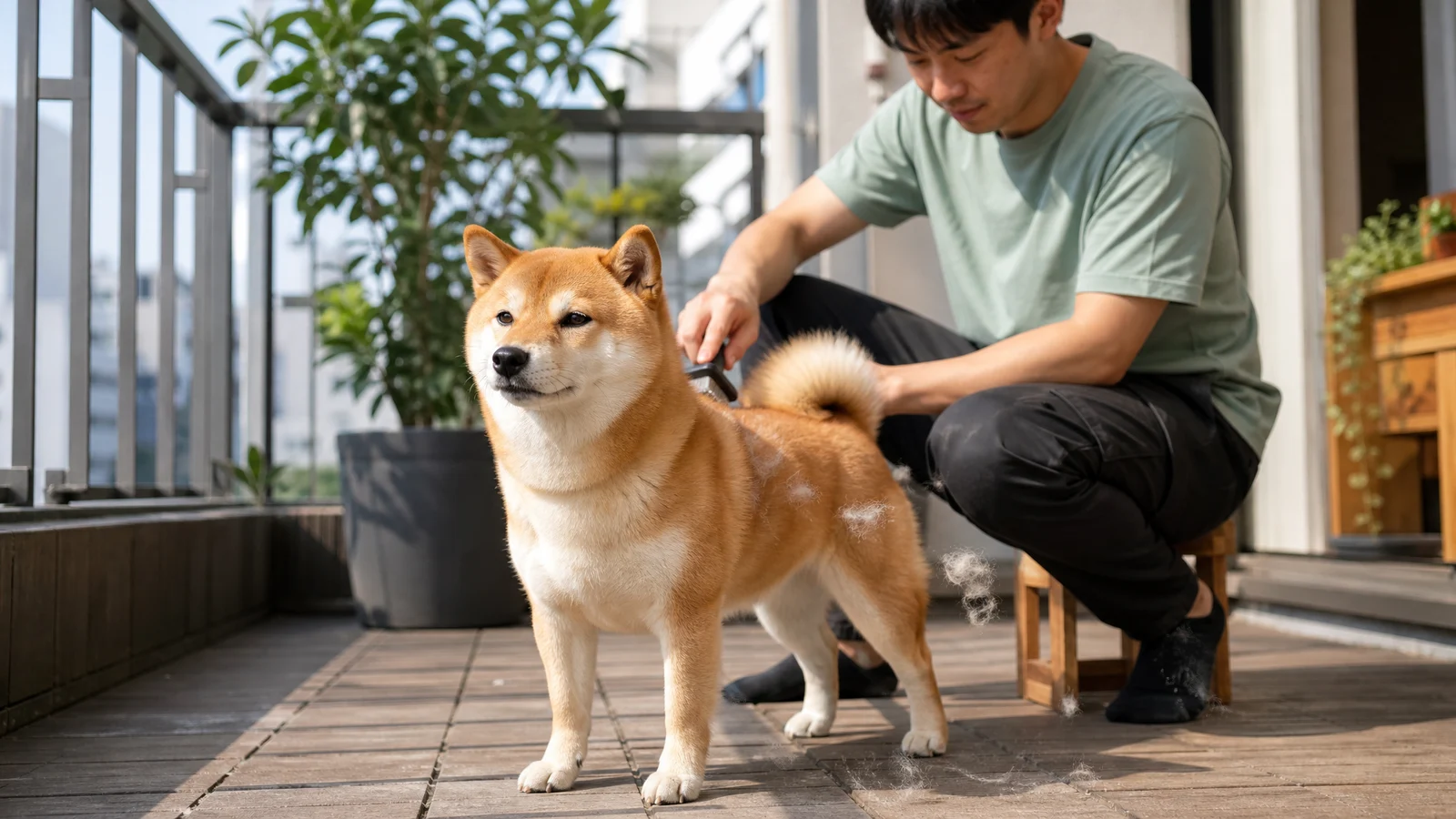
Shiba Inu shedding is normal throughout the year and often becomes much heavier when the undercoat releases. A coat blow can make the home look as if another dog has appeared on the floor, but the forecast is not solved by one marathon brushing session.
Think of grooming as weather planning. An ordinary week, a heavy-shed week, a bath day, and a skin-warning day each need a different response. The forecast helps you choose the job that matters now without turning every brush appearance into a long handling test.
This guide covers how to read that forecast, choose a small coat job, introduce tools, separate bath day from brushing, and let handling or skin warnings override the schedule. It closes with what to expect when the next coat cycle changes the weather again.
Today's Shiba Inu Shedding Forecast
Run your fingers lightly over the coat and look at the sleeping area. A few loose hairs and an even coat suggest ordinary maintenance. Tufts lifting from the undercoat, heavy hair on fabric, and rapid accumulation suggest a coat blow that will need shorter, more frequent collection.
Also read the skin. Redness, sores, strong odor, bald areas, repeated scratching, or sensitivity is not simply a high-shed forecast. Pause the routine and contact the veterinary team. Keep regular vet visits so coat and skin changes can be assessed in context.
We recommend naming the forecast before choosing tools. “Heavy undercoat, comfortable skin” leads to a different session from “light shedding, avoids touch near the hip.” The first is mainly a coat job, while the second includes a handling question.
Note whether loose hair is even across the body or concentrated in familiar friction areas such as bedding contact. The note does not identify a cause. It gives the next grooming session and any veterinary conversation a clearer starting point than “shedding a lot.”
An Ordinary Grooming Week for a Shiba Inu
On an ordinary week, use brief passes that follow the direction of the coat. Work one area, check the brush, and stop while the dog remains comfortable. The purpose is to collect loose hair and inspect the skin, not to produce a dramatic pile every time.
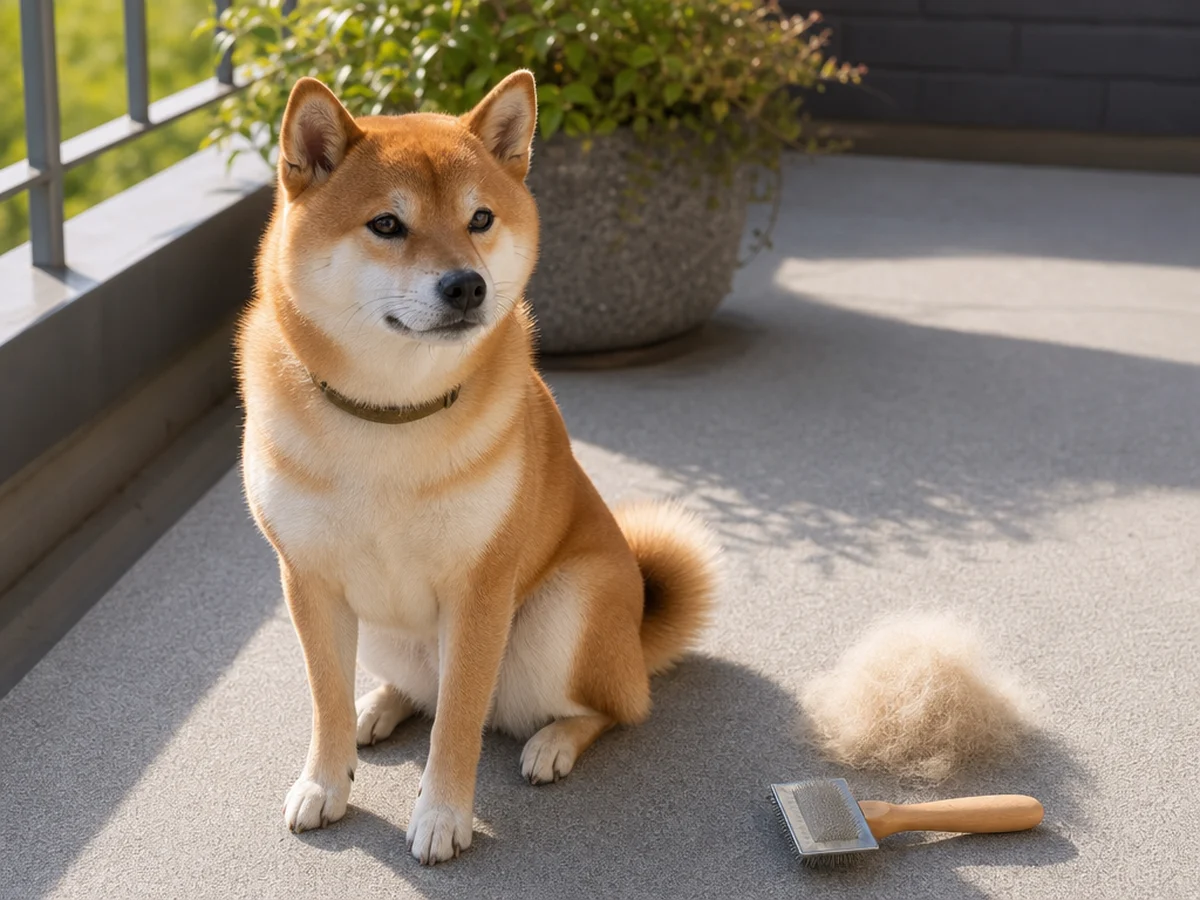
Choose secure footing and a place the dog can approach without being cornered. Best Friends guidance suggests beginning contact on less sensitive trunk areas before moving to ears, lips, paws, or tail. Success on the body does not make those harder zones automatic.
Keep coat work distinct from the site's guide to Shiba Inu grooming around nails and veterinary exams. A dog who accepts a brush over the back has not automatically agreed to paw support, and a difficult nail history should not make all coat care feel like preparation for clipping.
Rotate the starting area so the same patch does not always predict the longest work. Some days can include only a shoulder pass and visual skin check. Small ordinary sessions help the brush remain part of care rather than an announcement that restraint is about to begin.
Finish by placing the tool away before offering another activity. That visible ending matters for a dog who is deciding whether to remain nearby. It tells the Shiba that the coat job truly stopped rather than pausing until they relax again.
Heavy Shedding Changes the Grooming Forecast
During a coat blow, loose undercoat may release in patches and quickly refill the brush. Divide the body across sessions rather than holding the dog until every tuft is gone. A short pass over the shoulders today and the sides tomorrow can be more useful than a complete session that the dog learns to avoid.
The UKC breed standard describes the Shiba Inu as independent and alert. Those qualities can make a dog quick to notice repeated pressure or a blocked exit. Arrange grooming so pausing and returning remain possible instead of treating independence as a contest.
Remove collected hair from the tool often, since a packed brush changes how it pulls. Check pressure with your own hand and avoid raking the same patch repeatedly. The target is loose coat, not the healthy coat that remains attached.
Vacuuming bedding and gathering hair from resting areas is part of the forecast too. Environmental cleanup reduces the temptation to extend a dog session just because hair is still visible in the room. The house and the coat are two separate jobs.
Use several collection points during a heavy week, such as a short coat session, bedding laundry, and floor cleanup on different parts of the day. Splitting the work keeps the dog from carrying the entire burden of making the home look tidy.
Grooming Tools Answer Different Weather
A simple brush, comb, towel, and nonslip mat may cover most routine needs. Select a tool for the coat in front of you and learn how it contacts the skin. More teeth, blades, or pressure do not automatically make the work more thorough.
Introduce equipment before it is needed for a long session. Let the Shiba look at the brush, hear it placed down, and accept a reward while free to move. Then make one easy pass over a comfortable zone and finish. The tool should predict a small, knowable event.
- A brush for collecting loose surface coat with light passes
- A comb for checking whether a small area is free of caught hair
- A towel for drying by gentle pressing instead of vigorous rubbing
- A nonslip mat that gives the dog stable footing
- A container nearby so removed coat leaves the work area quickly
Clean and inspect tools between uses. Bent teeth, rough edges, packed hair, or a loud loose part can change a familiar sensation. If the dog's response suddenly changes with one item, examine the equipment before deciding the dog is refusing grooming.
Store tools where the dog does not need to pass them in a narrow route. Equipment left beside a favorite bed can make that resting area predict handling. A neutral storage place keeps choice clearer when the tool appears for a planned coat job.
When replacing a tool, introduce the new item as new even if it looks similar to the old one. Weight, sound, tooth spacing, and handle movement may differ. Familiarity with one brush is helpful evidence, not blanket acceptance of every grooming object.
Bath-Day Grooming Has a Different Forecast
A bath adds water, sound, footing, temperature, restraint, and drying. Prepare towels and a nonslip surface before bringing the dog into the area. Keep water comfortably warm and the room calm, and avoid spraying the face or forcing the dog to remain while panic escalates.
Dry by pressing with a towel rather than creating friction over the coat. If a dryer is used, introduce its sound and airflow at a tolerable distance before directing air at the dog. Stop if the skin becomes hot or the dog cannot recover between brief exposures.
Comb only after the coat is dry enough that the tool moves comfortably. Damp undercoat can bunch and create more pulling. If the bath has already used the dog's tolerance for the day, drying and inspection can be the endpoint rather than the start of another complete groom.
The RSPCA recommends gradual, reward-based introduction to grooming equipment and settings in its grooming advice. It also recommends choosing a groomer carefully. Ask how the professional handles breaks, worried dogs, drying, and communication about skin findings.
Handling Clouds Can Interrupt Shiba Inu Grooming
Watch for a head turn toward the brush, skin twitch, stepping away, closed mouth, faster breathing, lowered posture, or refusal of familiar food. Those signs may arrive before vocal protest. Treat them as a forecast change and shorten the work rather than waiting for a dramatic reaction.
The club owner overview from the National Shiba Club of America notes that many Shibas will work for treats. Food can support grooming, but it should not hold the dog's nose in place while brushing becomes harder. Deliver the reward after a clear, brief pass and allow movement.
If one body area is consistently difficult, chart it separately. A hip that became newly sensitive, an ear with odor, or a paw that the dog licks warrants a veterinary conversation. Pause contact at that location until possible pain has been assessed.
For an established handling concern, a qualified reward-based professional can help split the task. A groomer and veterinary team may also recommend a practical coat length or service schedule that prevents neglected care while training proceeds.
Use the dog's return as information, not as permission to resume at full intensity. A Shiba may come back for food or company while still finding the brush difficult. Restart with an easier contact or finish the session so returning remains a safe choice.
Skin Warnings Override the Shedding Forecast
Normal shedding should still leave the skin looking comfortable and the coat reasonably even for the individual dog. Bald spots, broken skin, parasites, persistent odor, greasy areas, flakes with intense itching, or abrupt coat change need veterinary attention.
Do not add repeated bathing or a new product simply because shedding increased. Products can irritate skin, and more washing does not correct every cause. Ask the veterinarian what cleaning and drying routine is appropriate when skin is already affected.
Record when the change began, where it appears, and whether appetite, activity, sleep, or comfort also changed. Photos taken in similar light can help the veterinary team understand progression. They are evidence for care, not a substitute for examination.
Continue gentle observation while waiting for guidance, but avoid adding several new variables at once. Changing shampoo, diet, brushing frequency, and bedding together can make the sequence harder to interpret. Follow the veterinary plan for any specific health concern.
The Next Shiba Inu Coat Cycle
Expect the forecast to change. An ordinary week may need only light maintenance, while a coat blow calls for more frequent but still brief collection. Bath days remain their own event, and any skin warning cancels the plan in favor of veterinary guidance.
Long-term success is not a perfectly hairless house or a dog who never walks away. It is a Shiba whose coat is checked often enough that changes are noticed, whose grooming sessions stay small enough to remain predictable, and whose household chooses the right response for the weather instead of repeating one routine in every season.
 Puppy trainingShiba Inu Puppy Playing Too Rough? Teach Gentle Mouths
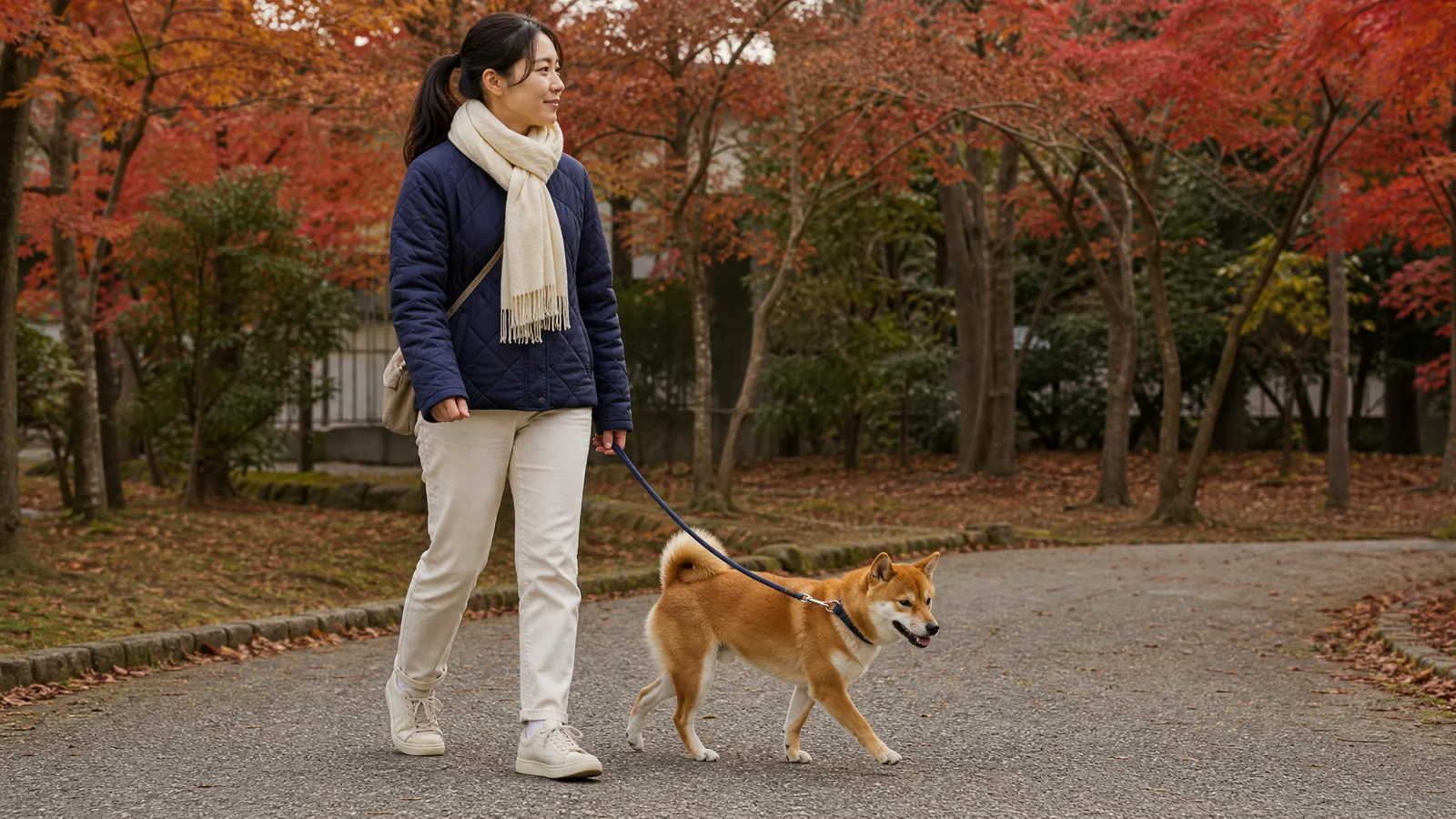 Puppy trainingShiba Inu Teenagers: Keeping Rewards Strong While They Test Rules
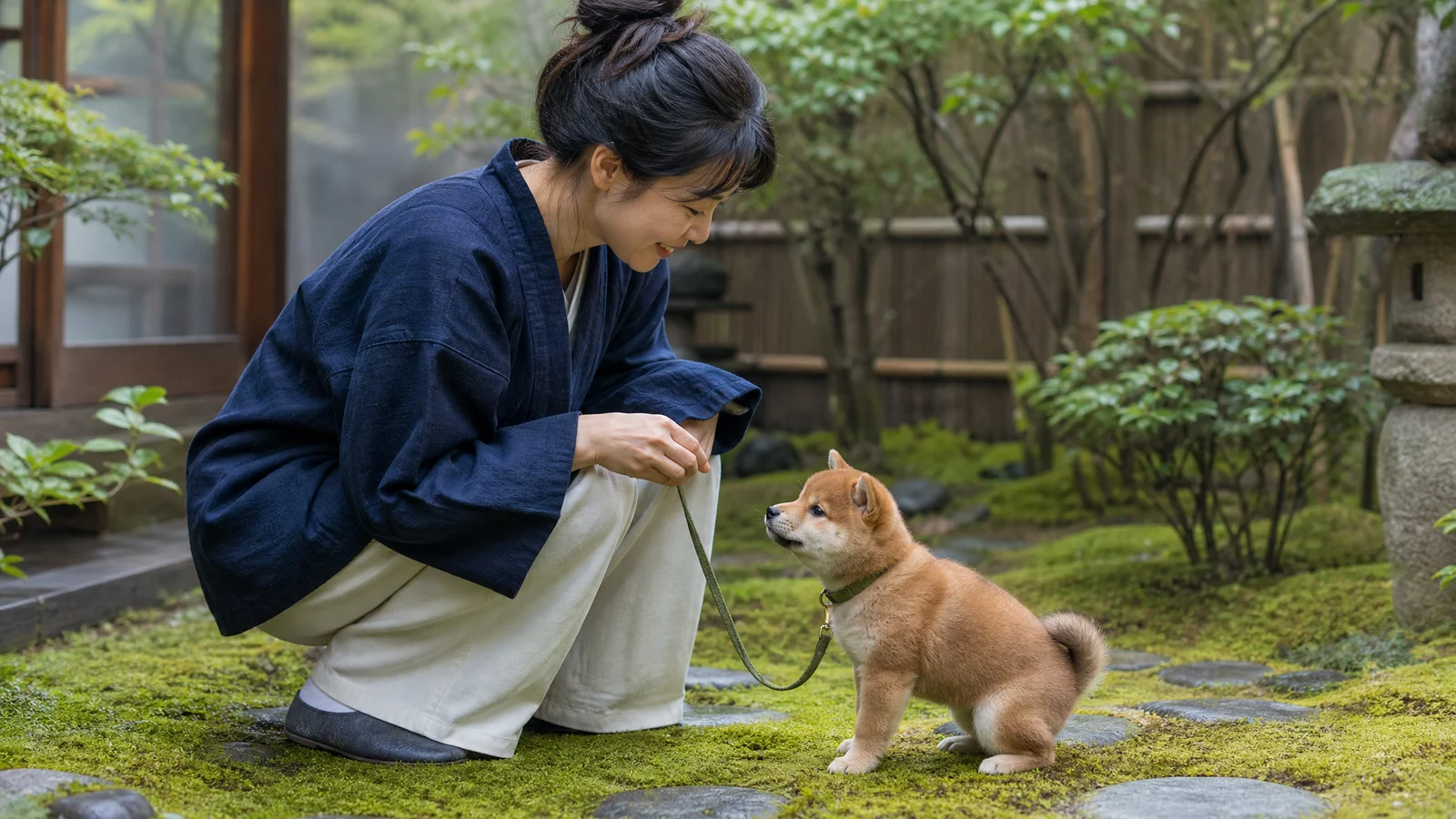 Puppy trainingShiba Inu Potty Training: Reward Every Success