 Shiba Inu
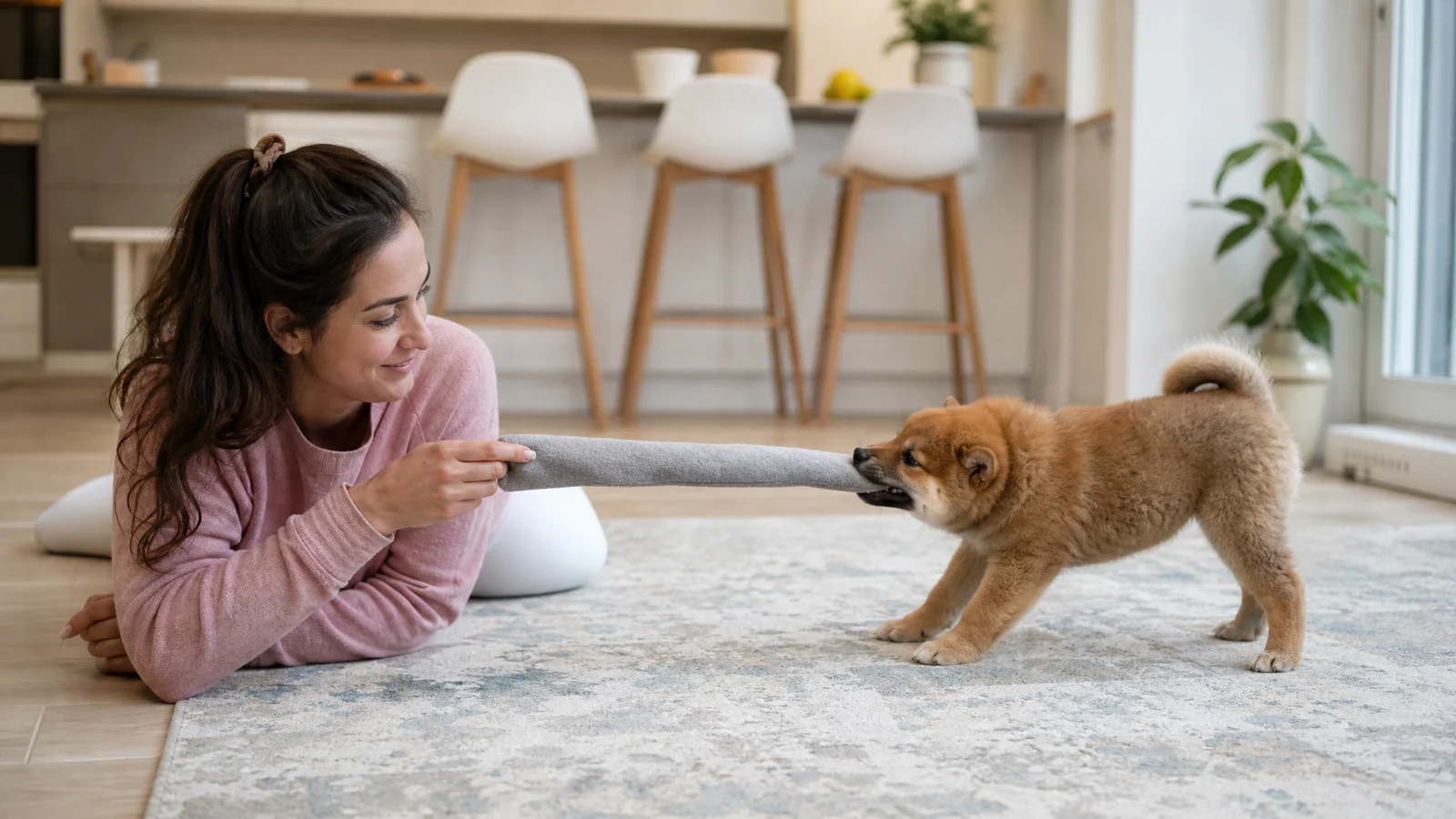
When a Shiba Inu puppy bites hard during play, ask what happened in the minute before the teeth arrived. A hand may have moved quickly, the puppy may have been awake too long, a collar may have been reached for, or the game may have continued after the puppy lost control.
Those events produce similar marks on skin but call for different responses. This guide covers six puppy training hypotheses, the evidence for each, and one feature to change in the next interaction instead of applying the same interruption to every bite.
Normal puppy mouthing still needs safe limits. Separate children, protect hands and clothing, and get professional help for behavior that is severe, fearful, escalating, or difficult to manage.
Shiba Inu Puppy Training Starts One Minute Before
Reconstruct the immediate scene without assigning a personality label. Note what was moving, whether food or a toy was present, who touched the puppy, how long the puppy had been awake, and whether escape was possible. The best hypothesis is the one that predicts when the behavior appears.
We recommend keeping two items within reach during ordinary puppy time. A long, soft toy gives teeth an allowed target at a distance from skin. A gate or pen creates a calm separation without requiring hands to wrestle the puppy away.
- One toy long enough to keep moving hands away from the mouth
- One prepared rest area with water, bedding, and safe puppy needs
Do not fill the area with exciting objects when the hypothesis is fatigue. The purpose of the barrier changes with the experiment. It may support a quiet reset, protect a child during movement, or prevent the puppy from rehearsing ankle chasing while the household changes rooms.
ASPCA puppy guidance describes mouthing and nipping as common and recommends briefly stopping interaction after a painful bite, then resuming. Gentle play continues while painful play ends. That approach fits a play hypothesis, but it will not answer every handling or fear case.
Keep regular vet visits and seek veterinary advice for a sudden change, signs of pain, broken skin, or a puppy who reacts when a specific body part is touched. A behavior experiment cannot identify a medical cause, and training should not ask the puppy to tolerate painful contact.
Six Puppy Training Hypotheses for Rough Play
Choose one hypothesis from the evidence rather than cycling through all six during the same incident. If the response changes the next similar moment, keep testing it gently. If nothing changes, revisit the context and consider a different explanation.
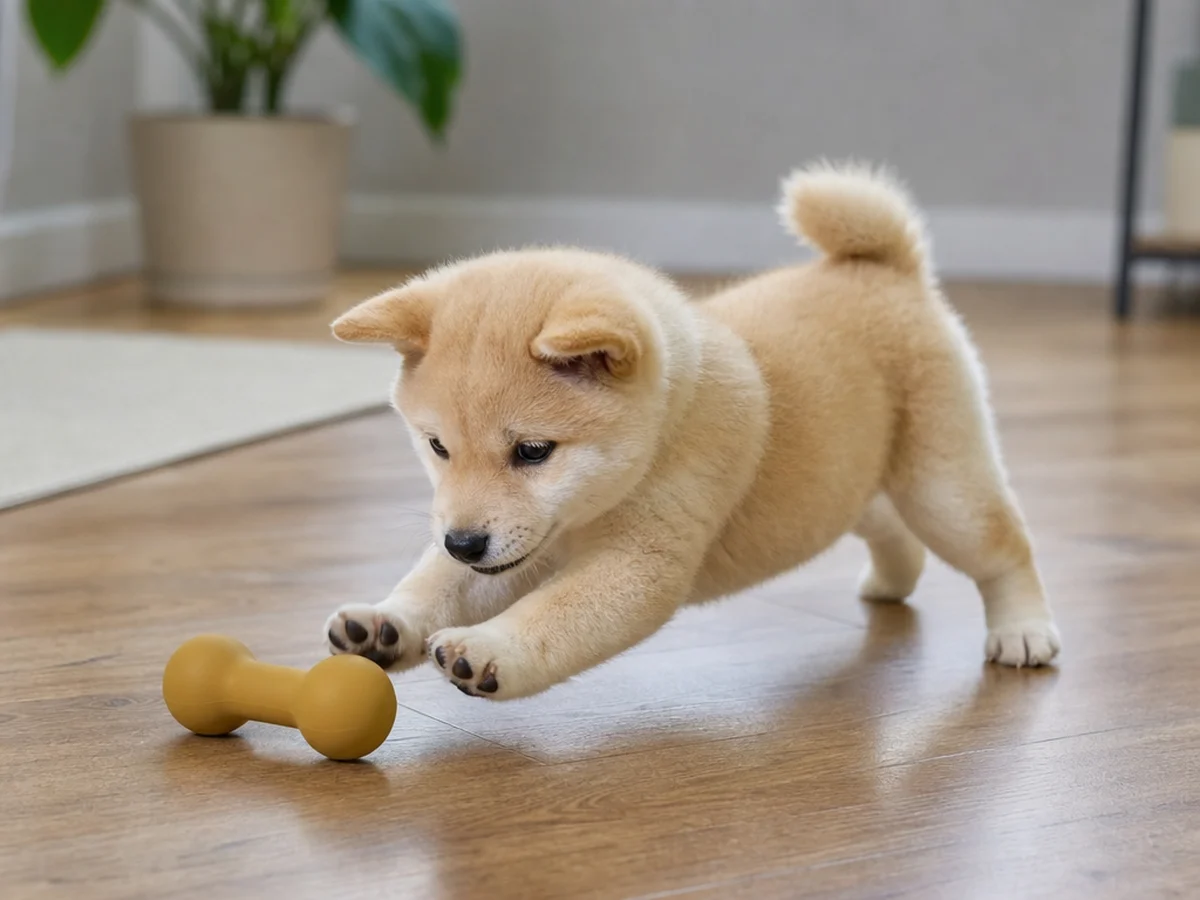
Hypothesis One Is a Play Invitation
The puppy approaches with loose movement, targets moving hands or clothes, releases readily for a toy, and returns to the game. The likely job of the bite is to continue social play. Make the allowed game easier to understand instead of making human skin part of the toy.
Present the long toy before hands begin fast movement. Move it along the floor, let the puppy catch it, pause, and resume when the mouth remains on the toy. If teeth touch skin hard, end access to the person briefly and restart only after the puppy has disengaged.
A dramatic hand withdrawal can make fingers more chaseable. Keep the bitten hand still enough to avoid creating prey-like motion, then calmly end or redirect the game. The aim is not to frighten the puppy into letting go.
Hypothesis Two Is Lost Control From Fatigue
This pattern often appears after a long awake period, late in an active evening, or after several exciting events. The puppy becomes faster, less responsive to familiar food, and more likely to grab repeatedly. Another round of play may add arousal rather than meet an exercise need.
When the evidence points to fatigue or overstimulation, move the puppy to the prepared quiet area with minimal handling and lower household activity. Rest is the experiment, so keep the setting simple enough that the puppy is not immediately drawn into another game.
Compare the next similar time of day after better rest. If biting intensity drops, the sleep and activity pattern deserves attention. Avoid promising a universal nap schedule, since the useful evidence comes from this puppy's behavior before and after rest.
Hypothesis Three Is Escape From Handling
Teeth appear when someone reaches for the collar, picks up a paw, lifts the puppy, wipes the coat, or prevents movement. The puppy may turn toward the hand, stiffen, pull away, or mouth only during contact. Treat the sequence as a request for distance rather than as rough play.
Stop the handling and identify the smallest approach that did not cause concern. Rehearse a hand moving partway toward the collar, then moving away before delivering food. Handling work should preserve the puppy's ability to shift, approach, and leave rather than conceal restraint behind a lure.
A handling response needs its own body-zone plan. Repeated play interruptions do not teach a puppy that hands near a sensitive body part are safe. Record whether the concern involved a collar, paw, ear, lift, or blocked movement so the next practice addresses the actual contact.
| Evidence before the bite | Leading hypothesis | Change for the next trial |
|---|---|---|
| Loose approach and easy toy switch | Play invitation | Start with a long toy and pause on skin contact |
| Long awake period and frantic repetition | Fatigue | Reduce activity and support quiet rest |
| Reach, lift, wipe, or restraint | Handling escape | Stop contact and rebuild that body-zone file |
| Chewing across many safe objects | Exploration or teething | Offer suitable textures and manage access |
| Feet, hems, or running children | Movement trigger | Use distance and a toy before movement begins |
| New stimulus with retreat or tension | Fear or conflict | Increase distance and seek qualified guidance |
Puppy Training Hypotheses About Chewing and Motion
The remaining hypotheses concern what the puppy is using their mouth on and what the environment is doing. They are not lesser versions of play. A chew texture, a moving ankle, and a feared approach each creates a different experiment and a different safety need.
Hypothesis Four Is Exploration or Teething
The puppy samples many textures, settles to chew safe objects, and mouths outside social play. Provide appropriate chew options and rotate textures rather than offering the same item repeatedly. Manage access to cords, clothing, furniture edges, and objects that could be swallowed.
Offer the chew before the puppy chooses a forbidden target, then allow quiet use without constant trade attempts. If an item must be removed, exchange it for something worthwhile at a distance. Do not turn every possession into a chase around the room.
Contact the veterinary team if chewing is paired with mouth pain, bleeding, difficulty eating, broken teeth, or possible ingestion. Ordinary developmental chewing does not make every object safe, and emergency hazards need immediate professional advice.
House-training periods can reveal when chewing and mouthing cluster around transitions. The site's Shiba Inu potty training guide helps organize wake-ups, meals, play, and outings. Those observations can show whether a biting burst follows a predictable unmet need.
Hypothesis Five Is Triggered by Movement
Ankles, pant legs, running children, and hands that sweep across the floor can trigger pursuit. Prevent rehearsal before teaching around motion. Place the puppy behind a barrier or on the far side of an adult with a toy before a child begins to run.
At a manageable distance, reward the puppy for noticing movement and orienting back to the adult. Keep the moving person slow enough that the puppy can still eat and disengage. Increase speed only when the current version looks ordinary rather than barely controlled.
Children should never conduct the experiment or hold food near a biting puppy. An adult manages puppy and distance while the child follows one clear movement rule. The National Shiba Club of America recommends early socialization and obedience classes in its puppy guidance, but household supervision remains necessary.
Hypothesis Six Is Fear or Social Conflict
A fearful bite may follow retreat, freezing, lowered posture, avoidance, or being cornered. The context can include an unfamiliar person, dog, sound, surface, or handling event. Increase distance and restore an exit rather than testing whether the puppy will accept more.
AVSAB emphasizes early, safe socialization in its puppy statement. Socialization is not forced contact. It is carefully managed exposure that allows positive experience without overwhelming the puppy.
Battersea also notes that puppies can pass through fear periods in its socialization guide. A qualified reward-based professional should assess biting linked to fear, repeated conflict, or escalating intensity. The UKC breed standard notes that Shibas may be aggressive toward other dogs, so dog-to-dog situations need controlled handling.
Shiba Inu Puppy Training Needs a Safety Verdict
Before choosing the next observation, decide whether ordinary household experimentation remains safe. Play mouthing that stops when interaction ends belongs in a different category from bites linked to freezing, guarding, pursuit, or a person who cannot move away. The most serious context sets the safety level.
Separate children from all biting experiments and prevent them from carrying toys or food past an aroused puppy. Adults should not ask a child to stand still while teeth catch clothing. Use barriers, distance, and direct adult supervision so learning never depends on a child's reaction.
Adolescent changes can alter the pattern later, so keep notes that make comparison possible. The site's guide to how to train during adolescence explains how safety rules and privileges can change while reward-based expectations remain clear.
Choose the Next Shiba Inu Puppy Observation
After an incident, select the most likely hypothesis and write one prediction. For example, “If fatigue is driving the evening biting, a quieter period and earlier rest should reduce repeated grabbing tomorrow.” A prediction makes the next observation useful without deliberately provoking the puppy.
Change one feature and keep safety layers in place. Moving the toy earlier, shortening awake time, increasing distance from running feet, or pausing a collar reach are different experiments. Combining all of them at once can produce improvement without revealing which context mattered.
- What happened during the minute before teeth touched?
- Which body, object, or movement did the puppy target?
- Could the puppy disengage for food or a toy?
- What single change was made next time?
- Did intensity, frequency, or recovery change?
Look for patterns across comparable situations, not a single perfect day. A puppy can bite in play at noon and from fatigue at night. The same visible behavior can have more than one function, which is why a fixed script often appears inconsistent.
For persistent play biting, keep the human response simple enough that every adult can repeat it. Prepare the toy, stop social access briefly after painful contact, and restart only when the puppy can use the allowed target. The site's Shiba Inu behavior problems guide can support access management for household objects.
Seek help promptly when bites break skin repeatedly, the puppy guards the person or an object, fear signs are present, children cannot be kept safe, or the household is avoiding necessary care. A veterinarian can consider health, while a qualified behavior professional can observe context and design a safe plan.
The next useful step is not a two-week calendar. It is one honest observation in a naturally occurring situation, followed by one safer change. That laboratory mindset helps Shiba Inu puppy training stay specific, humane, and responsive to what the puppy was actually trying to accomplish.
 Puppy trainingShiba Inu Teenagers: Keeping Rewards Strong While They Test Rules
 Puppy trainingShiba Inu Potty Training: Reward Every Success
 BehaviorShiba Inu Standoff With Your Cat: How to Teach Calm Coexistence