 Shiba Inu
 training. Small fox, big personality.
Patient, reward-based training for a proud, independent spitz who likes to do things its own way.
11 challenges, three levels
Real Shiba Inu problems, each with a clear way through. Start at level one and work up.
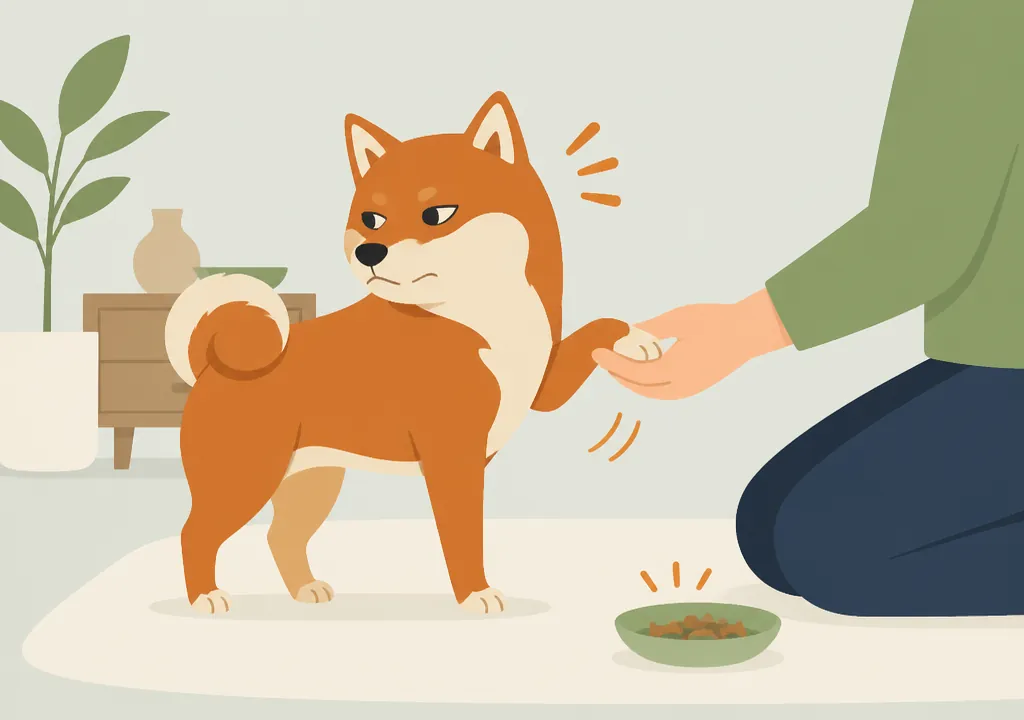 Hates being handled
Trust for paws, ears and the vet.
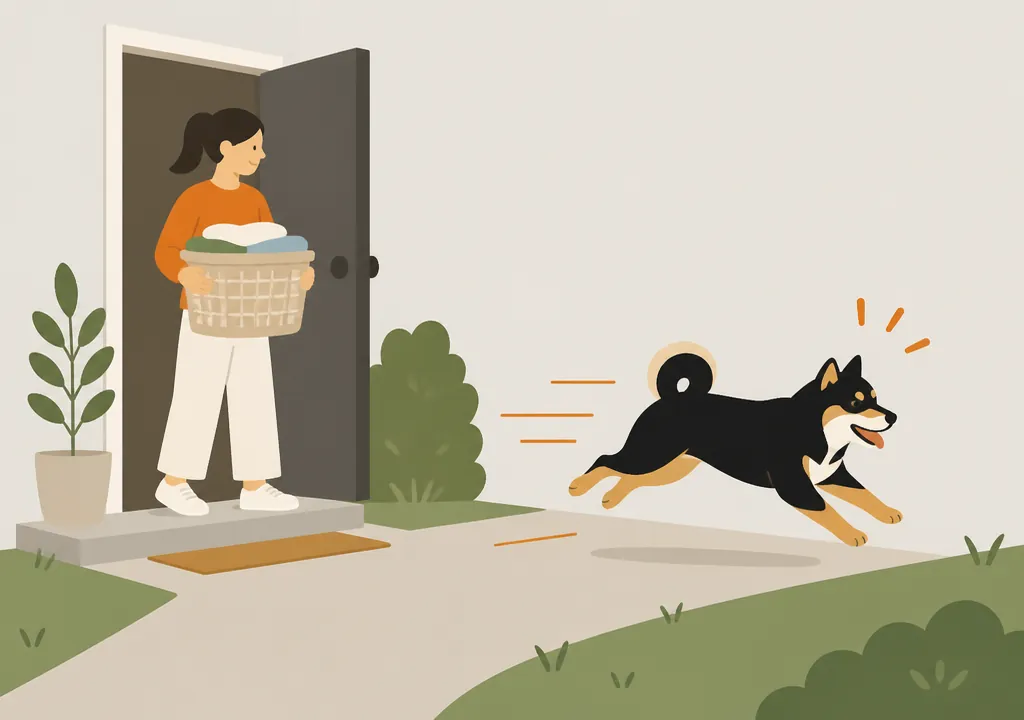 Off leash escapes
Why Shibas bolt, and how to keep them safe.
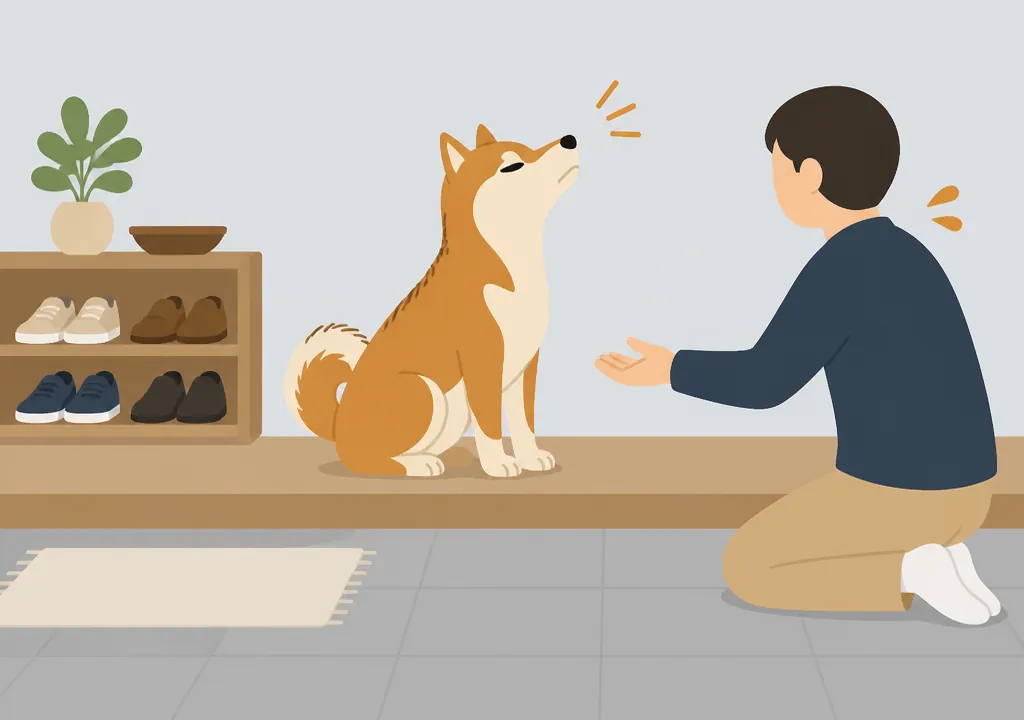 Aloof with visitors
Let a proud dog meet people its own way.
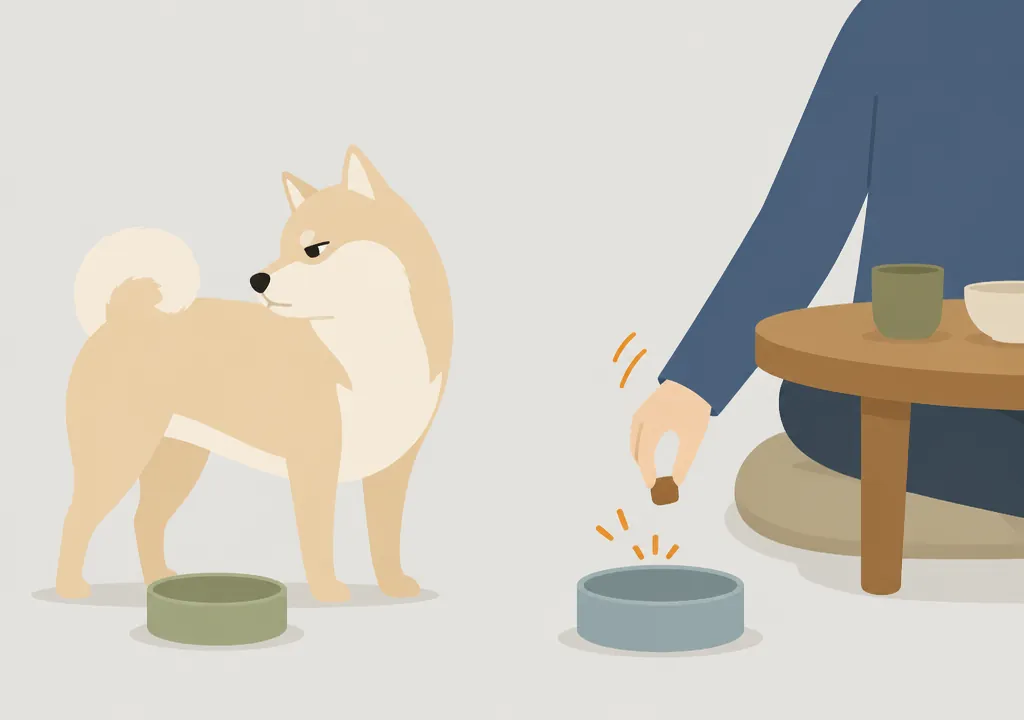 Guarding food
Trust around the bowl.
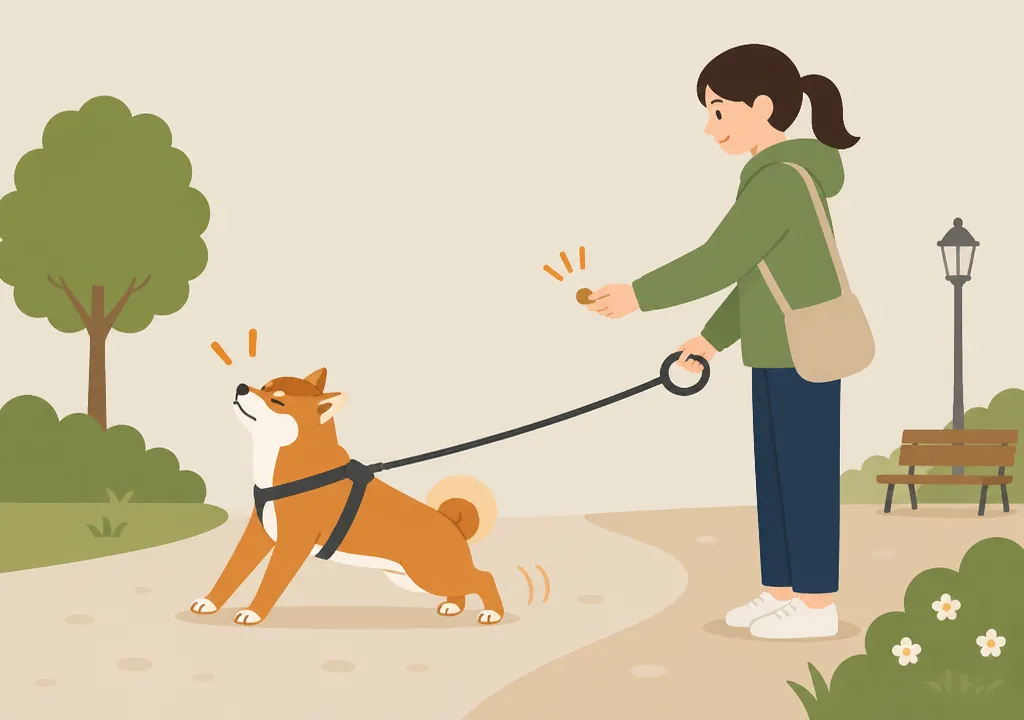 Planting its feet
When a Shiba refuses to walk.
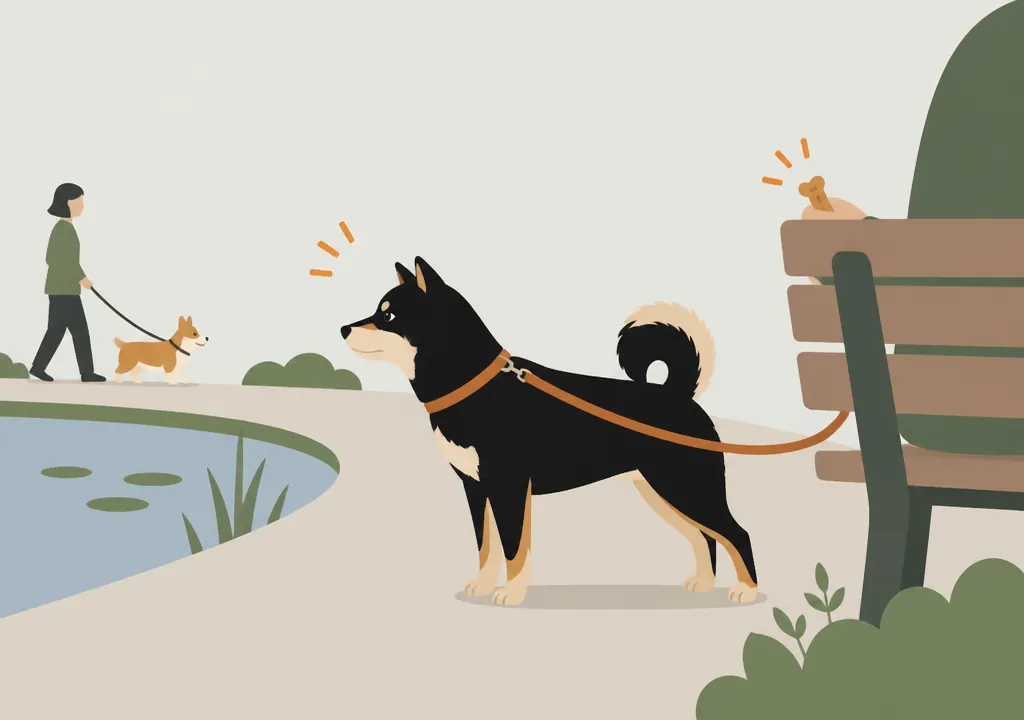 Reactive to other dogs
Calm distance on walks.
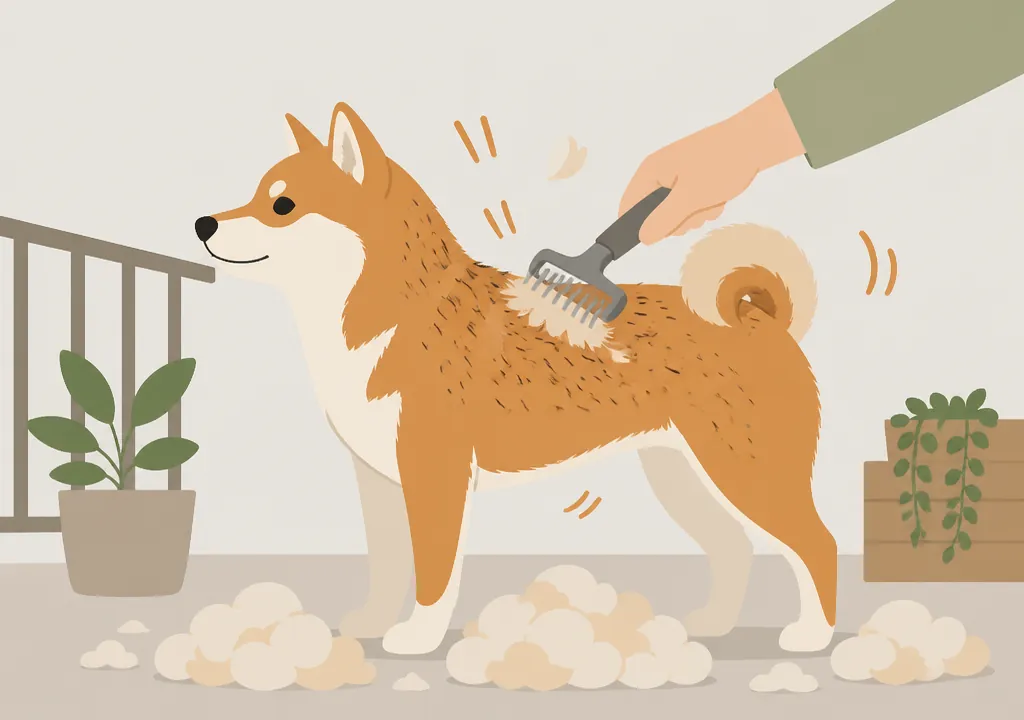 Blowing coat
Calm brushing through heavy shedding.
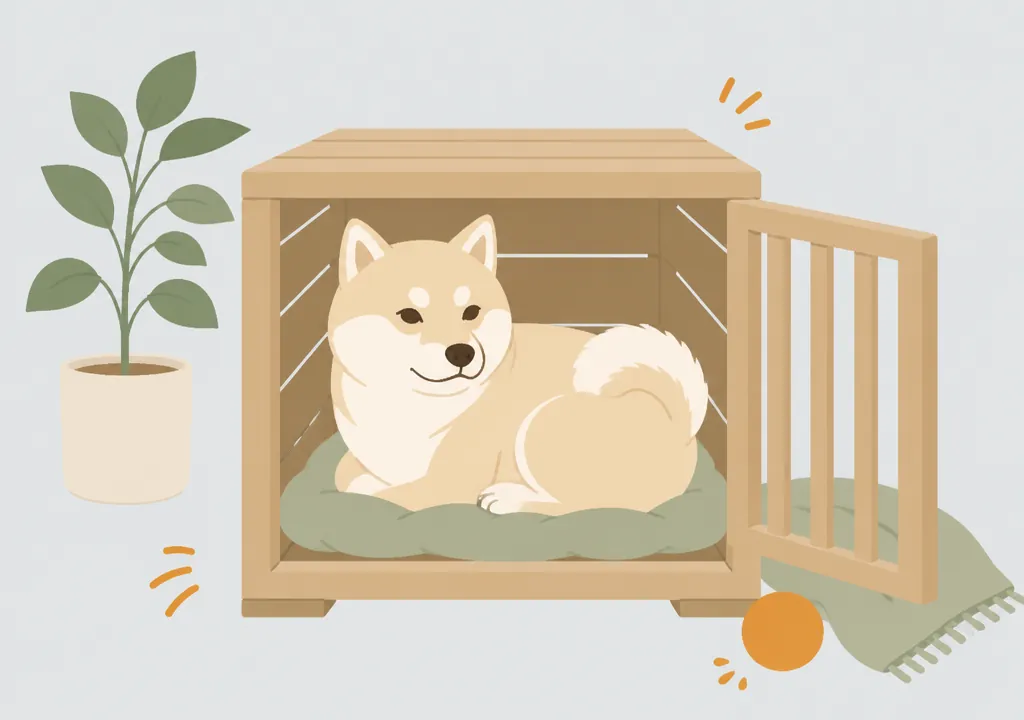 Crate and calm time
A den that feels safe.
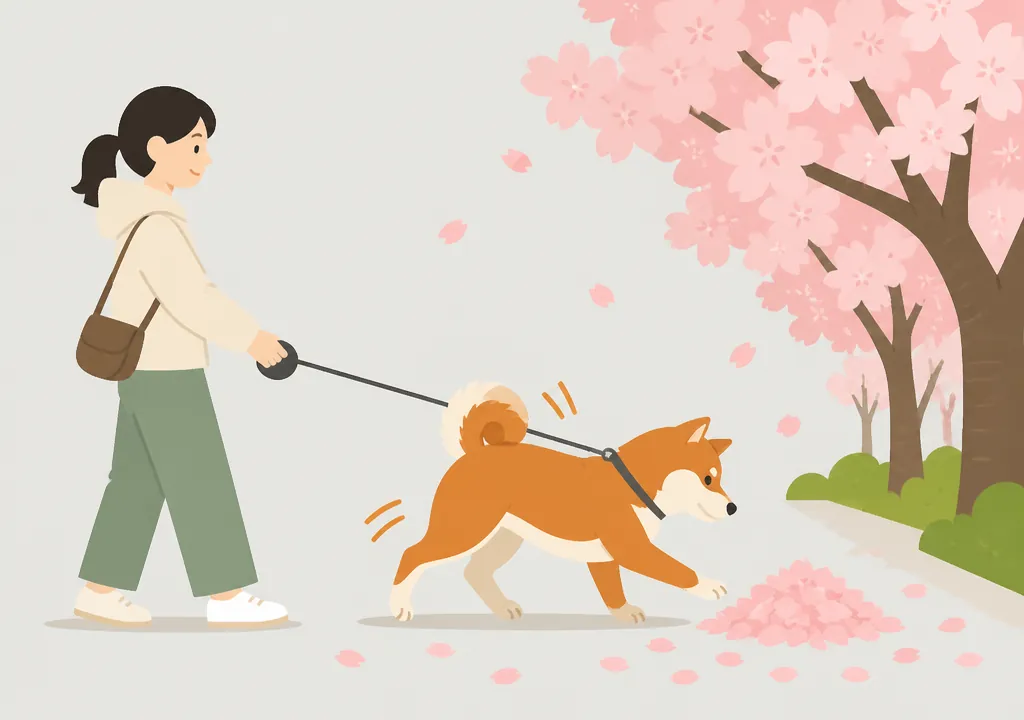 Pulling on the leash
Loose leash walks for a strong little dog.
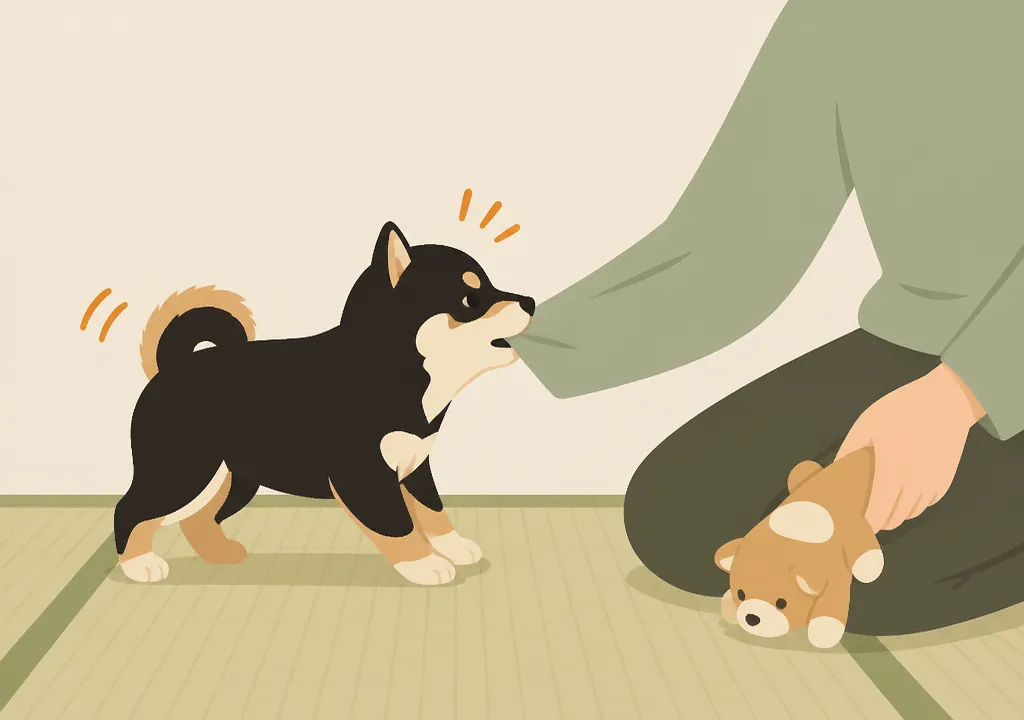 Puppy biting
Gentle mouths for a feisty pup.
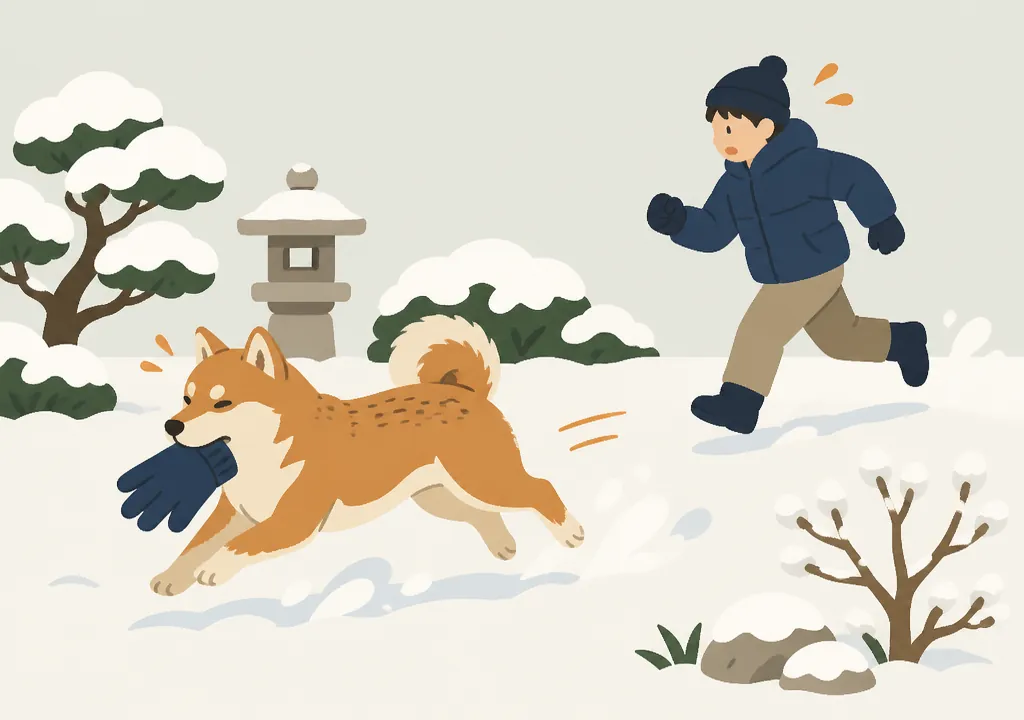 The teenage months
Patience while a Shiba tests every rule.
Shiba Inu training guide
A cat-like, independent dog who cooperates when it suits them, so training is a negotiation.
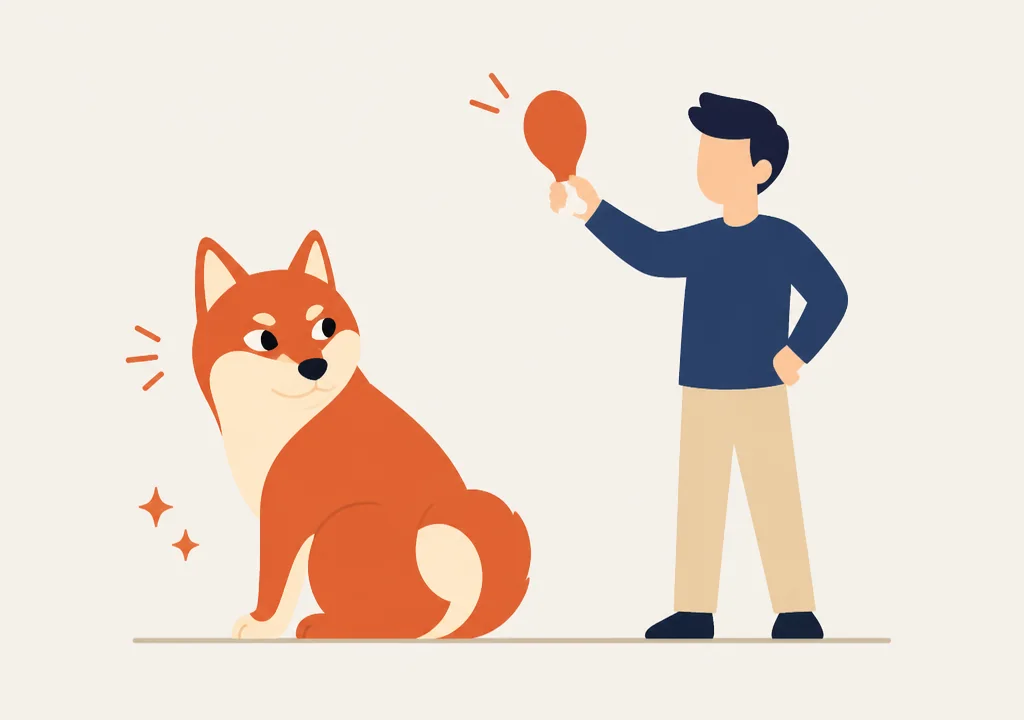
Earn the cooperation
A Shiba cooperates when it suits them, so training is a negotiation with high-value rewards and very short sessions. Force produces the famous scream and a dog who trusts you less.
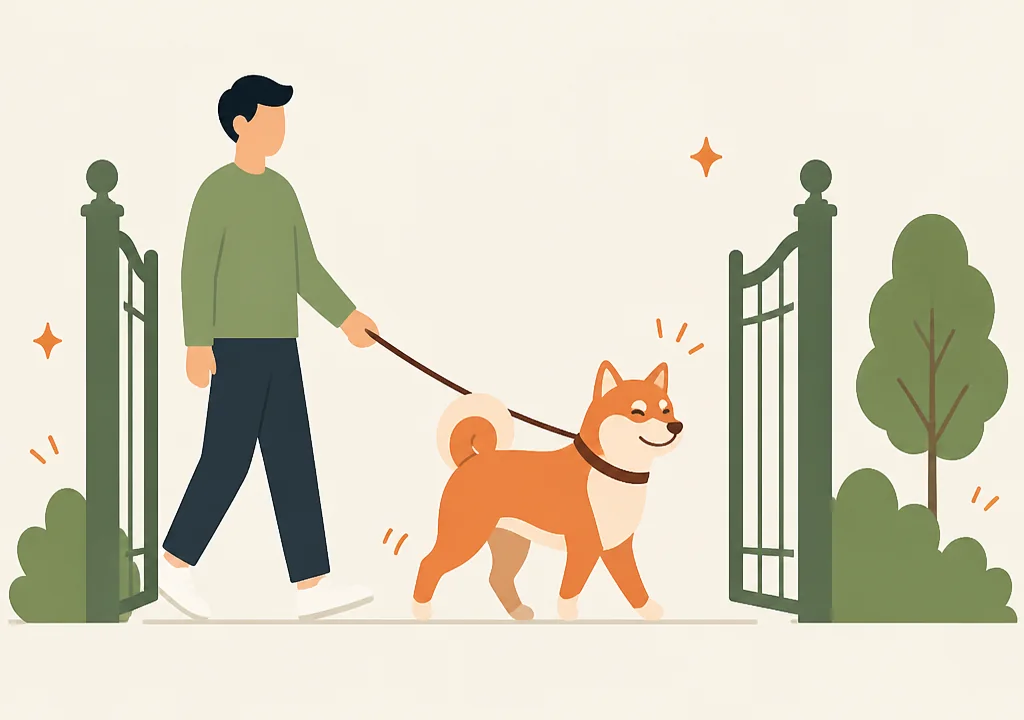
Off leash is a risk
A loose Shiba rarely comes back. The leash stays on outside unfenced areas for life, and recall is practiced as a game, never as a test.
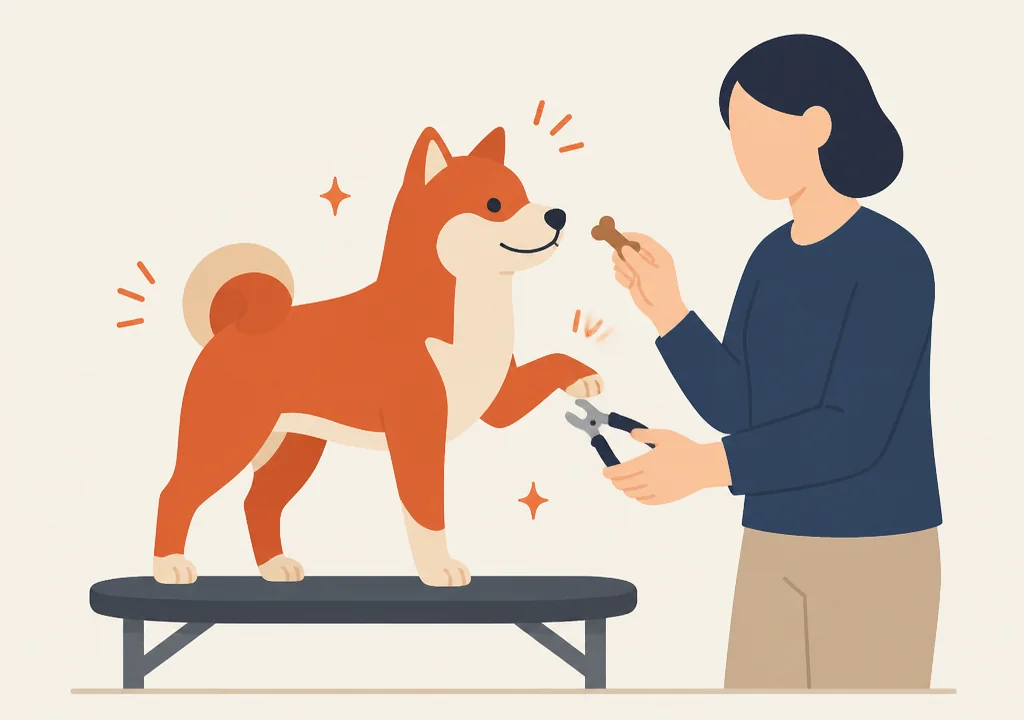
Handling takes work
Nails, baths and vet visits are taught step by step with treats and choice, because a Shiba who was never shown that handling pays will fight it.
Advice for every age
Most training works the same at any age. If you want extra help, pick a stage to see what often comes up then.
Little fox
Gentle handling, crate naps and calm bowls.
Trust first, then training
Shibas are proud and independent. We build trust with rewards and choice, never force, so cooperation becomes their idea.
- ✓Rewards and choice, never force
- ✓Safe leash and fence habits
- ✓Handling built on trust